

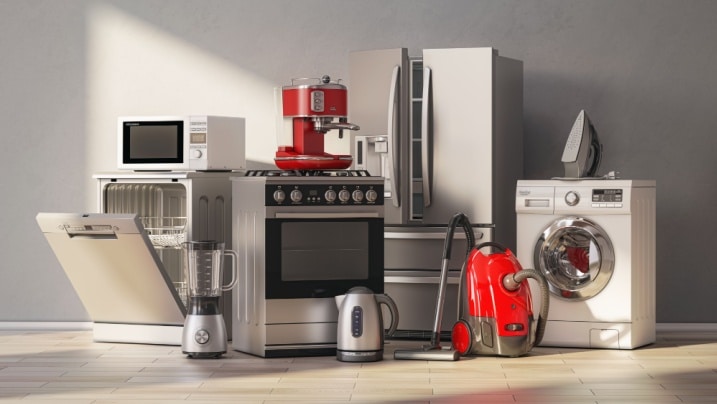
Choosing the right home appliance comes down to matching size, energy use, and features to how your household actually lives day to day. A fridge too small for a family of five or an AC too weak for a large bedroom causes more daily frustration than any price tag saves.
Buying from a trusted retailer such as Butterfly Group also makes a real difference, since genuine warranty support matters once the appliance is already running in your home.
Picture your kitchen on a normal weeknight. The stove works fine, but the fridge hums louder every month, and the washing machine sounds like it is taking off rather than spinning.
Most people wait until something breaks before they think about appliances at all. A little planning before that point saves both money and stress.
Why Does Picking the Right Appliance Matter?
The right appliance lowers your monthly power bill and cuts down on daily chores at the same time. Picking a poor match, on the other hand, means paying twice, once at the shop and again every month on your electricity bill.
Appliances work like a small team inside your home. A good team member does the job quietly, does not call in sick, and does not run up unnecessary costs. A mismatched appliance behaves the opposite way, breaking down early or draining power it never needed to use.
Buying smart appliances also frees up time. Less time spent fighting a slow washing machine or a noisy fridge means more time for actual life, whether that is dinner with family or a quiet evening off.
How Do You Match Appliances to Your Space and Household?
Measure your room and count your household members before you shop, then choose a size that fits both. A small refrigerator suits one or two people, while a family of five needs enough space for daily groceries without overcrowding the shelves.
Buying an oversized fridge for a tiny kitchen creates the same problem as parking a large bus in a small garage. It simply does not fit, and squeezing it in causes daily annoyance rather than daily convenience.
- Measure the width, height, and depth of the exact spot where the appliance will go.
- Check the delivery path too, including doorways, stairs, and lifts.
- Match capacity to household size, since a single person and a family of five have very different daily needs.
- Leave a small gap around fridges and ovens for airflow, since tight spaces make motors work harder.
Why Do Energy Ratings and Inverter Technology Matter?
Higher energy star ratings and inverter technology both mean an appliance uses less power to do the same job. Checking these two details before you buy lowers your electricity bill every single month, not just once.
An energy rating works like the fuel efficiency of a car. A car that runs efficiently costs less to drive over years, and a high-rated appliance costs less to run over its lifetime. The sticker price might look higher, but the ongoing savings usually make up for it within a year or two.
Inverter technology matters most for air conditioners and refrigerators. A non-inverter AC switches fully on, then fully off, over and over, similar to a runner sprinting and stopping again and again.
An inverter AC instead adjusts its motor speed to match the room, working more like a steady jogger who paces the effort.
That steadier pace uses noticeably less electricity across a full season, and it also runs quieter through the night.
Which Appliance Fits Your Household Best?
Different households need different priorities, and this table breaks down what to focus on for common appliance types.
| Appliance Type | Ideal Household Size | Key Feature to Check | Main Benefit |
| Compact Refrigerator | 1 to 2 people | Energy star rating | Fits small kitchens, uses less power |
| Family Refrigerator | 4 or more people | Smart cooling and larger capacity | Keeps daily groceries fresh longer |
| Inverter Air Conditioner | Any household | Adjustable motor speed | Keeps rooms cool while using less electricity |
| Front Load Washing Machine | Busy families | Quick wash cycle and larger drum | Handles more laundry in less time |
Don’t Forget the Smaller Everyday Appliances
Big-ticket items like a fridge or AC get most of the attention, but smaller appliances shape your daily routine just as much. A kettle, iron, or blender gets used almost every day, so build quality matters more here than it seems at first glance.
Pick a kettle or water heater with an auto shut-off feature, since it protects both the appliance and your home.
Choose an iron with steady heat control so clothes do not scorch on busy mornings. For kitchen tools like blenders and mixer grinders, a stronger motor handles daily use without wearing out within a year.
What Should You Check Before You Buy?
A short checklist before you shop keeps you from making a rushed or oversized purchase.
Running through these steps takes only a few minutes but saves real money later.
- Set a budget first, so you know exactly how much you can spend before you start comparing models.
- Write a short wish list of features you actually need, such as a quick wash cycle or a child safety lock.
- Read a few customer reviews, focusing on noise level and long-term reliability rather than just the star rating.
- Buy from a trusted retailer like Butterfly Group, since genuine warranty coverage and service support matter once the appliance is already in your home.
Bring It All Together
Upgrading your home appliances does not need to feel overwhelming once you break it down into simple steps. Measure your space, check the energy rating, and match the appliance size to your household before you commit to anything.
A slightly higher price today for the right fit and better efficiency almost always pays for itself within a year or two. Small appliances deserve the same care as big ones, since they run every single day without much notice until they stop working.
Take a look around your home right now, note which appliance is causing the most daily hassle, and start there first.
