

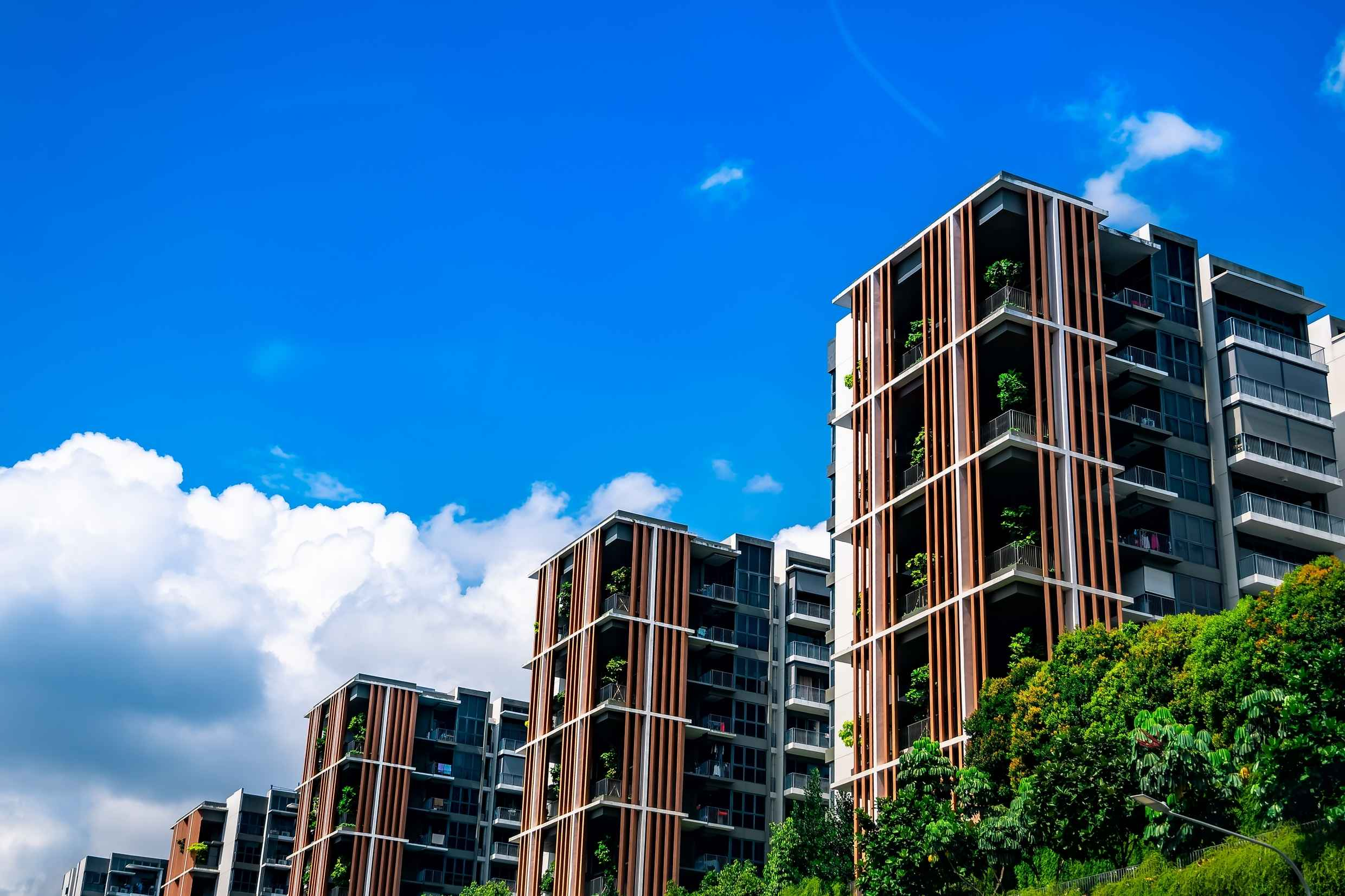
Property professionals have repeated the same advice for generations: location matters. It sounds like a cliché, but in Singapore the saying carries particular weight. The island is small enough that nearly everywhere is reachable, yet varied enough that the daily experience of living in one district differs sharply from another.
Understanding what “good location” actually means for your own life is one of the most useful steps in buying a home. It is less about prestige and more about practicalities.
Location Is a Lifestyle Decision
A useful way to approach location is to separate what you can change from what you cannot. Interior layouts can be altered, walls repainted and furniture replaced. The neighbourhood, the transport network and the surrounding streets are largely fixed.
That is why experienced buyers think carefully about how a location fits their routines. A professional who commutes daily has different needs from a retiree who spends more time at home. A family with young children cares about schools and parks, while a couple without children may prioritise dining and nightlife. The right location is the one that supports your habits with the least friction.
The Real Meaning of Connectivity
Connectivity is often reduced to a single question: how close is the nearest MRT station? Proximity matters, but connectivity is broader than that.
Rail, Bus and Road Together
An effective transport environment offers several options. Rail provides predictable travel times. Buses fill gaps and reach areas the rail network does not. Roads and expressways serve those who drive, whether regularly or occasionally. A neighbourhood that combines these gives residents flexibility if one mode is disrupted or unsuitable.
The Last Few Hundred Metres
Journeys do not begin at the station gate. The walk from home to a transport node matters enormously, particularly in Singapore’s heat and rain. Sheltered walkways, clear paths, safe crossings and gentle gradients make a short walk pleasant. A route that technically counts as close but runs along exposed, busy roads can feel much longer.
Reading a Southern Waterfront Location
The southern part of Singapore offers an interesting example of how transport, nature and city access come together. Project information for Berlayar Drive Residences describes a development along Berlayar Drive in Telok Blangah, placed near Telok Blangah MRT station on the Circle Line. The same materials point to a waterfront setting and to the wider Greater Southern Waterfront area, as well as nearby green spaces such as Berlayar Creek and Labrador Nature Park.
What this illustrates is a particular kind of location: city-fringe in character, with rail access on one hand and open, natural surroundings on the other. Whether that mix suits a given household depends on priorities. Someone who values proximity to nature and a quieter setting may find it appealing, while someone who wants a dense, high-energy neighbourhood may look elsewhere.
Amenities and the Daily Errand Test
Beyond transport, amenities shape ordinary life. A practical exercise is to list everything you do in a typical week: grocery shopping, exercise, dining out, school runs, medical visits, errands. Then consider how each would work from a prospective address.
Neighbourhoods with a good mix of services let residents complete many tasks on foot or with short trips. Where these are lacking, small errands can become time-consuming. Homebuyers may also want to look at the broader area, since a development that appears isolated may be surrounded by useful facilities just beyond the immediate streets.
Evolving Precincts and the Question of Timing
Some of the most interesting locations are those still taking shape. Planned precincts promise improved transport and amenities, but they also ask residents to be patient while construction progresses.
The Bayshore area in the east is one such precinct. Project information for Bayshore Drive Residences describes a development associated with a mixed-use concept, planned in connection with a new Bedok South MRT station on the Thomson-East Coast Line, a bus interchange and retail space. The idea of an integrated hub, where homes, transport and shops are planned together, has clear everyday appeal.
At the same time, a thoughtful buyer separates what exists today from what is proposed. Official planning documents, published timelines and visits to the site help build a realistic picture. Benefits that depend on future infrastructure will only be felt once that infrastructure is complete.
Neighbourhood Character and Community
Character is harder to quantify than commute time, but it influences how a place feels. Some neighbourhoods are lively, with busy pavements and late-night eateries. Others are calm, with quiet streets and a residential rhythm. Established districts often have a sense of community built over decades, while new precincts develop their identity gradually.
To judge character, visit at different times. A weekday morning shows the commuter flow, a weekend afternoon shows how residents use public spaces, and an evening shows noise and lighting. Talking to people who live nearby, where possible, gives insight no brochure can match.
Long-Term Appeal Without the Hype
Property discussions often turn quickly to future value. It is worth approaching these claims cautiously. No location guarantees a particular outcome, and market conditions change. What can be said with more confidence is that homes in places that are convenient, pleasant and well-served by transport tend to be easier to live in, and that ease of living is a durable quality.
Buyers can focus on fundamentals: how well the location supports their routines, how adaptable it is as their needs change, and how it fits within wider planning for the area. These considerations are less dramatic than predictions but more reliable guides.
A Simple Framework for Comparing Locations
When weighing options, consider scoring each against a handful of questions:
- Transport. How many realistic ways can I reach work, school and family?
- Walkability. Can I handle daily errands without a car?
- Environment. Is there accessible green or open space nearby?
- Atmosphere. Does the area feel right at different times of day?
- Future change. What is planned, and how soon is it expected?
Writing down honest answers often clarifies which compromises you are willing to make.
Final Thoughts
Location and connectivity remain central to the Singapore property conversation because they shape the texture of everyday life. A well-chosen location reduces small frictions, offers choices in how you travel and gives you access to the places that matter most to you.
The most helpful way to approach the question is personal rather than abstract. Instead of asking which location is best in general, ask which one fits your routines, your priorities and your tolerance for change. With that clarity, comparing neighbourhoods becomes a far more productive exercise.
