

Planning a first trip to Bhutan can feel exciting and unfamiliar at the same time. The country offers a different kind of travel experience, where mountain landscapes, Buddhist traditions, historic monasteries, peaceful valleys, and local communities are closely connected. Instead of rushing between attractions, visitors often spend more time experiencing the surroundings and understanding the culture.
A well-planned Bhutan travel guide can make the first trip easier by explaining what to expect, where to go, how to prepare, and how to make the most of the time available. From choosing the right season to deciding which destinations belong in your itinerary, a little preparation can help create a smoother journey.
For travellers planning their first visit, working with an experienced local travel company can also simplify arrangements. Bhutan Happiness Tours can help travellers organise different aspects of a Bhutan holiday while allowing them to focus on exploring the country.
Why Visit Bhutan for Your First Himalayan Trip?
Bhutan is known for its dramatic Himalayan scenery, traditional architecture, Buddhist heritage, and distinctive cultural identity. The experience is different from a conventional sightseeing holiday because many places invite visitors to slow down and appreciate their surroundings.
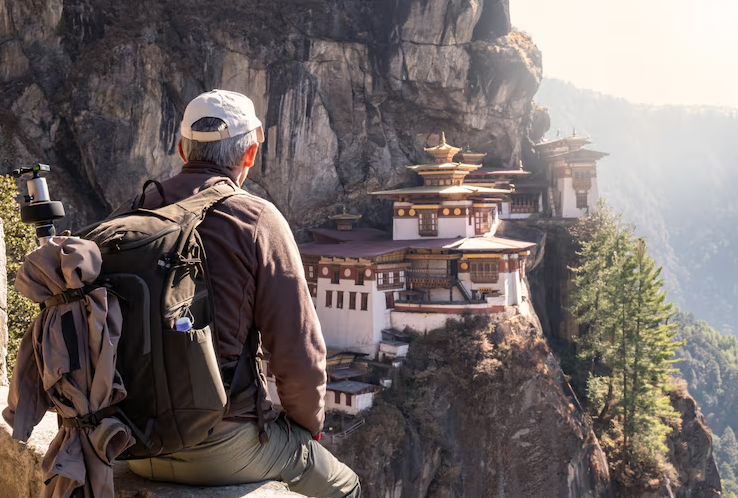
Paro is often the starting point for international travellers. The valley is home to important cultural sites, traditional villages, and the famous Tiger’s Nest area. From Paro, travellers can continue towards Thimphu, the capital, and Punakha, a historic valley known for its dzong and scenic countryside.
The journey between destinations is also part of the experience. Mountain roads, forested hills, rivers, prayer flags, and small settlements create memorable views along the way.
Decide When to Visit Bhutan
The season you choose can influence your travel experience. Spring and autumn are popular periods because travellers can often enjoy pleasant conditions for sightseeing, walking, and outdoor activities.
Spring brings blooming flowers and fresh landscapes, while autumn is appreciated for clearer mountain views and comfortable daytime temperatures. Summer can bring rainfall, particularly in some parts of the country, but the landscape can be especially green. Winter offers colder conditions but may appeal to travellers looking for quieter surroundings and crisp mountain scenery.
Festival periods can also add another dimension to a Bhutan trip. Traditional festivals feature masked dances, music, religious ceremonies, and colourful local gatherings. If attending a festival is important to you, check the dates before finalising your itinerary.
Plan Your Main Destinations
A first Bhutan itinerary commonly includes Paro, Thimphu, and Punakha. These destinations provide a useful introduction to the country’s landscapes, culture, and history.
Paro
Paro is one of the most recognisable destinations in Bhutan. The valley combines mountain scenery with historic buildings and important Buddhist sites.
One of the highlights for many visitors is the hike to Taktsang Monastery, commonly known as Tiger’s Nest. The trail involves a significant uphill walk, so travellers should allow enough time and wear comfortable footwear.
Paro is also a good place to explore traditional Bhutanese architecture, local markets, temples, and nearby viewpoints.
Thimphu
Thimphu offers a different atmosphere as Bhutan’s capital. Although it is the country’s largest urban centre, it retains a strong connection with traditional culture.
Visitors can explore landmarks, monasteries, handicraft centres, museums, markets, and viewpoints around the valley. Spending at least a couple of days here can give first-time visitors a better understanding of modern Bhutan alongside its traditional way of life.
Punakha
Punakha is known for its fertile valley, pleasant scenery, and historical importance. The Punakha Dzong is one of the major attractions and stands at the meeting point of two rivers.
The journey from Thimphu to Punakha usually includes a stop at Dochula Pass, where travellers can enjoy mountain views when weather conditions are favourable. The changing landscape along this route is one of the highlights of travelling through western Bhutan.
Understand Bhutanese Culture and Customs
One of the most rewarding parts of visiting Bhutan is experiencing its cultural traditions. Visitors should take some time to understand local customs before arriving.
When entering monasteries, temples, and dzongs, dress respectfully and follow any instructions provided by local guides or staff. Modest clothing is generally appropriate, particularly at religious sites.
Photography may also be restricted inside certain religious buildings. When photography is not permitted, respecting the rule is part of responsible travel.
Travellers may also notice traditional Bhutanese clothing worn by locals, distinctive architectural designs, prayer flags, and Buddhist symbols throughout the country. Learning a little about their cultural significance can make sightseeing more meaningful.
Think About Your Travel Pace
One common mistake on a first trip is trying to include too many destinations. Bhutan’s mountainous terrain means that journeys between valleys can take time, even when the distance appears short on a map.
A practical itinerary should leave enough room for travel, sightseeing, meals, rest, and unexpected delays. Rather than moving to a new destination every day, consider spending more time in fewer places.
For example, a six-day itinerary covering Paro, Thimphu, and Punakha can provide a balanced introduction without making the trip unnecessarily rushed.
Prepare for Mountain Roads and Walking
Bhutan is a mountainous country, so travellers should be prepared for winding roads and changes in altitude. Some sightseeing activities also involve walking or hiking.
The Tiger’s Nest hike is the most well-known example, but even ordinary sightseeing can involve steps, slopes, and uneven paths. Comfortable walking shoes are therefore useful for almost every itinerary.
If you are travelling with older family members or children, discuss the daily schedule with your travel organiser in advance. Adjusting the pace can make the journey more comfortable for everyone.
Experience Bhutan Beyond the Major Attractions
A first-time trip does not have to focus entirely on famous landmarks. Some of the most memorable experiences can come from ordinary moments.
You might enjoy a quiet walk through a village, speak with local residents, visit a small monastery, try traditional Bhutanese food, or simply spend time looking across a mountain valley.
Travellers interested in culture can explore local handicrafts and traditional products. Food lovers can try dishes such as ema datshi, red rice, buckwheat preparations, and locally prepared tea.
These smaller experiences can provide a more personal connection with the country.
Choose a Suitable Bhutan Tour Partner
Planning transport, accommodation, sightseeing, guides, and daily schedules can be complicated when visiting a destination for the first time. A local travel company can help coordinate these details and create an itinerary based on the traveller’s interests.
Bhutan Happiness Tours is an option for travellers looking for assistance with planning a Bhutan holiday. A local operator can also provide practical guidance about routes, sightseeing schedules, cultural experiences, and other arrangements.
When comparing tour companies, travellers should look at the itinerary details, inclusions, accommodation options, transportation arrangements, and flexibility offered. It is also useful to communicate your interests before booking so the itinerary can be planned around your priorities.
Pack According to the Season
Packing for Bhutan depends heavily on the time of year and the destinations included in your itinerary.
Layers are useful because temperatures can change considerably between daytime and evening. Comfortable walking shoes are important for sightseeing and hiking. A light rain jacket or waterproof layer can also be useful depending on the season.
Other practical items may include sunscreen, sunglasses, personal medicines, a reusable water bottle, and a small daypack. If your itinerary includes the Tiger’s Nest hike or other walks, keep your daily bag light.
Respect the Environment
Bhutan places considerable importance on its natural environment and cultural heritage. Visitors can contribute by travelling responsibly.
Avoid leaving litter behind, follow marked trails, reduce unnecessary plastic use, and respect wildlife and natural areas. When visiting villages and religious sites, avoid disturbing residents or religious activities.
Responsible travel is particularly important in mountain destinations where natural and cultural resources can be sensitive.
Plan Your Budget Carefully
The cost of a Bhutan trip depends on several factors, including the season, length of stay, accommodation category, activities, transportation, and personal spending.
Before booking, understand exactly what is included in your tour package. Check accommodation, meals, transport, guide services, sightseeing, permits, and other applicable charges.
Keeping some extra budget for souvenirs, additional activities, snacks, and personal purchases can also be helpful.
Make Time for the Experience
The best way to approach a first Bhutan trip is to avoid treating it as a checklist of attractions. The country’s appeal comes from the combination of scenery, culture, spirituality, architecture, food, and everyday life.
Give yourself enough time to enjoy a viewpoint rather than immediately moving to the next stop. Spend time learning about the places you visit. Talk to your guide and ask questions about local traditions and history.
A thoughtfully planned Bhutan travel guide is not only about knowing where to go. It is also about understanding how to travel through the country respectfully and comfortably.
Final Thoughts
Planning your first Bhutan holiday becomes easier when you have a realistic itinerary and understand what the journey involves. Paro, Thimphu, and Punakha provide a strong introduction to the country’s cultural and natural highlights, while additional destinations can be added depending on the length of your stay.
Choose a suitable travel season, allow enough time for mountain journeys, prepare for walking, respect local customs, and leave some space for unexpected discoveries. Working with a local operator such as Bhutan Happiness Tours can also help organise the practical details of the trip.
With thoughtful preparation and an open approach, your first journey through Bhutan can become more than a sightseeing holiday. It can be an opportunity to experience Himalayan landscapes, traditional culture, historic places, and the slower rhythm of life that makes Bhutan distinctive.
