

Effective communication is essential for businesses of every size. Whether employees are working from a single office or multiple locations, reliable communication technology helps teams stay connected with customers, suppliers, and colleagues. As business operations become increasingly dependent on digital technology, companies need communication infrastructure that can support both voice communication and data connectivity.
A well-planned telephone system can make business communication more organized, while reliable networking infrastructure helps connect computers, devices, applications, and other technologies. Together, these technologies can create a more connected workplace and provide a strong foundation for day-to-day business operations.
Understanding Modern Telephone Systems
A business telephone system is designed to manage internal and external calls more efficiently than traditional standalone telephone connections. Depending on the organization’s requirements, modern systems can include extensions, call transfers, voicemail, conferencing, automated attendants, call forwarding, and other communication features.
Businesses can select different types of telephone systems based on their size, communication requirements, and existing infrastructure. Small offices may require a straightforward setup with a limited number of extensions, while larger organizations may need more advanced systems capable of supporting multiple departments and locations.
The right system can also help employees communicate more efficiently. Calls can be directed to the appropriate department or employee, reducing unnecessary transfers and helping customers reach the right person more quickly.
Why Telephone System Installation Matters
Proper telephone system installation is an important part of creating a reliable communication environment. Even a high-quality telephone system may not perform effectively if it is incorrectly configured or poorly integrated with existing infrastructure.
Installation involves more than simply connecting telephone devices. It may include planning extensions, configuring equipment, establishing connections, testing call functionality, and ensuring that the system works correctly with the organization’s network.
Businesses should consider factors such as the number of employees, office layout, expected call volume, existing cabling, and future expansion before installation begins.
A well-planned installation can also make future upgrades easier. If a business expands its workforce or adds new departments, having a scalable infrastructure can reduce the complexity of adding new users and devices.
The Role of Networking Solutions
Telephone communication increasingly relies on digital infrastructure, making networking an important part of modern business technology. Networking solutions connect computers, telephones, servers, printers, wireless devices, and other equipment within an organization.
A business network can support data sharing, internet connectivity, cloud applications, communication platforms, and other essential services. The network therefore needs to be designed according to the organization’s operational requirements.
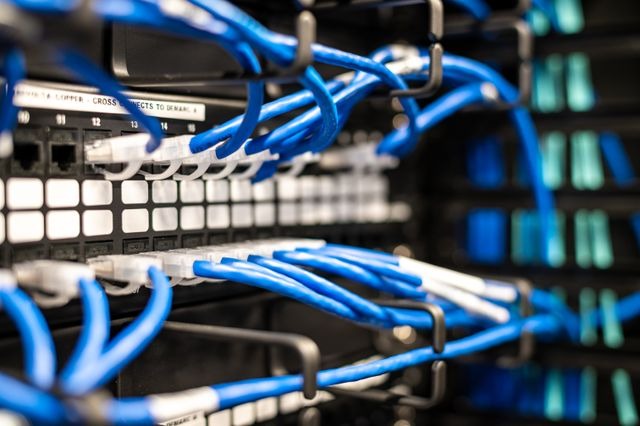
Network infrastructure may include switches, routers, wireless access points, structured cabling, firewalls, and other components. Each element has a specific role in keeping devices connected and enabling data to move efficiently across the organization.
When communication and networking infrastructure are planned together, businesses can create a more coordinated technology environment.
Importance of Telephone System Maintenance
After installation, regular telephone system maintenance can help keep communication services reliable. Business communication systems are used frequently, so technical issues can affect productivity and customer service when they occur unexpectedly.
Maintenance may involve checking connections, reviewing configurations, testing equipment, identifying potential issues, and keeping relevant software or firmware up to date.
Businesses should also monitor the performance of their systems over time. Changes in the workplace, such as adding employees, moving departments, or introducing new technology, may create new requirements for the communication infrastructure.
Routine maintenance can help identify problems before they become major disruptions. It can also extend the useful life of communication equipment and reduce the likelihood of unexpected failures.
Connecting Telephone Systems With Business Networks
Modern communication environments often combine voice and data services through network infrastructure. This can provide businesses with greater flexibility when managing their technology.
For example, employees may use IP-based telephone devices that connect through the company’s network. This approach can allow organizations to manage communication services alongside their existing digital infrastructure.
However, the network must be capable of handling the required traffic. Poor network performance can affect communication quality, particularly when voice services depend on the same infrastructure used for other business applications.
Network planning should therefore consider bandwidth, traffic management, security, reliability, and future growth.
Benefits of Professional Networking Solutions Services
Businesses often require more than basic internet connectivity. Professional networking solutions services can help organizations plan, implement, maintain, and improve their network infrastructure.
Depending on business requirements, networking services may cover areas such as:
- Structured network design
- Network installation
- Wired and wireless connectivity
- Router and switch configuration
- Network security
- Wi-Fi infrastructure
- Network monitoring
- Troubleshooting
- Infrastructure upgrades
- Ongoing technical support
A properly designed network can help employees access the applications and resources they need while maintaining consistent connectivity across the workplace.
For businesses operating from multiple offices, networking technology can also support communication and data connectivity between different locations.
Improving Business Communication
A reliable communication system can have a direct effect on everyday business operations. Employees need to communicate internally, while customers expect calls to be answered efficiently.
Features such as call forwarding, voicemail, extensions, conference calling, and automated call handling can help businesses organize communication more effectively.
For customer-facing teams, an efficient telephone system can make it easier to manage incoming inquiries. Employees can transfer calls between departments or direct customers to the appropriate team member without relying on informal communication methods.
Internal communication can also become more structured. Departments can have dedicated extensions, while employees can communicate with colleagues without needing separate external calls.
Security Considerations for Networked Communication
Security should be considered when designing both telephone and network infrastructure. Modern businesses handle valuable information through their communication and digital systems, making appropriate security measures important.
Network security can include firewalls, secure passwords, access controls, software updates, network segmentation, and monitoring. Businesses should also control access to communication equipment and network infrastructure so that only authorized personnel can make configuration changes.
Regular maintenance and security reviews can help organizations identify outdated equipment or configurations that may require attention.
Employee awareness is another important factor. Staff should understand basic security practices, such as using strong passwords and recognizing suspicious communications.
Planning for Future Business Growth
Technology requirements often change as businesses grow. A company may begin with a small office and a limited number of telephone extensions but eventually expand to multiple departments or locations.
Planning for scalability during the initial installation can make future expansion easier. Businesses should consider whether their infrastructure can accommodate additional users, devices, telephone extensions, and network traffic.
A scalable system can also reduce unnecessary replacement costs. Instead of replacing an entire communication environment, businesses may be able to expand the existing infrastructure as their requirements increase.
Choosing the Right Technology Partner
Selecting suitable technology is only one part of building a reliable communication environment. Businesses also need to consider installation, configuration, maintenance, troubleshooting, and ongoing support.
When evaluating a technology provider, businesses should consider experience, technical capabilities, response times, support services, scalability, and understanding of the organization’s specific requirements.
It is also useful to evaluate both immediate and long-term needs. A solution that addresses today’s requirements but cannot support future expansion may create additional costs later.
Conclusion
Reliable communication and connectivity are essential components of modern business operations. A properly designed telephone system can help organizations manage internal and external calls efficiently, while well-planned network infrastructure can connect the devices and applications employees rely on every day.
From telephone system installation to ongoing telephone system maintenance, each stage can influence the reliability and performance of business communication. At the same time, professional networking solutions services can help organizations build secure, scalable, and efficient connectivity.
Businesses that approach communication and networking as part of a wider technology strategy can create infrastructure that supports current operations while allowing room for future growth. With the right planning, telephone system installation, maintenance, and technical support, telephone and networking technologies can become dependable foundations for productive and connected workplaces. Businesses looking for professional communication and networking solutions can also explore the services offered by Hubtech Limited to support their evolving technology requirements.
