

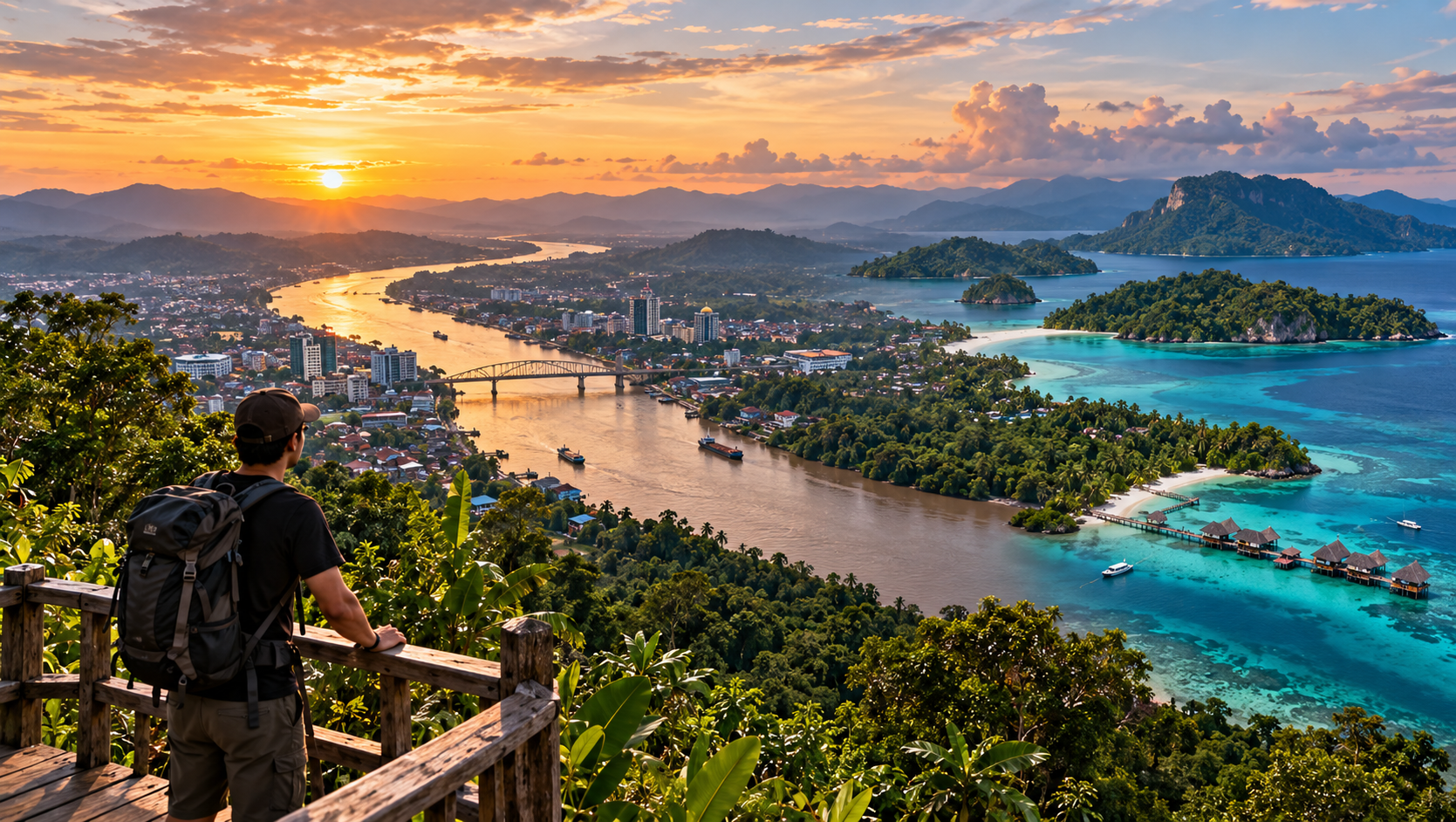
Indonesia’s vast archipelago is home to regions with distinct landscapes, traditions, and economic opportunities. East Kalimantan, located on the eastern side of Borneo, stands out for its tropical forests, diverse communities, important waterways, and growing role in Indonesia’s development. Known locally as Kalimantan Timur, the province offers a fascinating combination of natural heritage, cultural identity, and modern urban life.
For residents, travellers, researchers, and people interested in regional development, understanding the area means looking beyond its major cities. Smaller communities, local traditions, environmental resources, and regional news all contribute to the wider story of kaltim.
Understanding the Character of Kalimantan Timur
Kalimantan Timur is one of Indonesia’s provinces on the island of Borneo, with Samarinda serving as its provincial capital. The region includes cities such as Balikpapan and Bontang, alongside districts with different geographical and economic characteristics.
Its landscape ranges from coastal areas and river systems to forested interiors and hilly terrain. The Mahakam River is particularly significant, having supported transportation, trade, and community life for generations.
The province is also associated with natural resources, including mining, forestry, agriculture, and fisheries. At the same time, discussions about its future increasingly involve economic diversification, environmental protection, infrastructure, and sustainable development.
These different aspects make the region relevant to people with varied interests, whether they want to learn about local culture, explore tourism opportunities, or follow changes affecting communities and businesses.
Cultural Heritage and Community Traditions
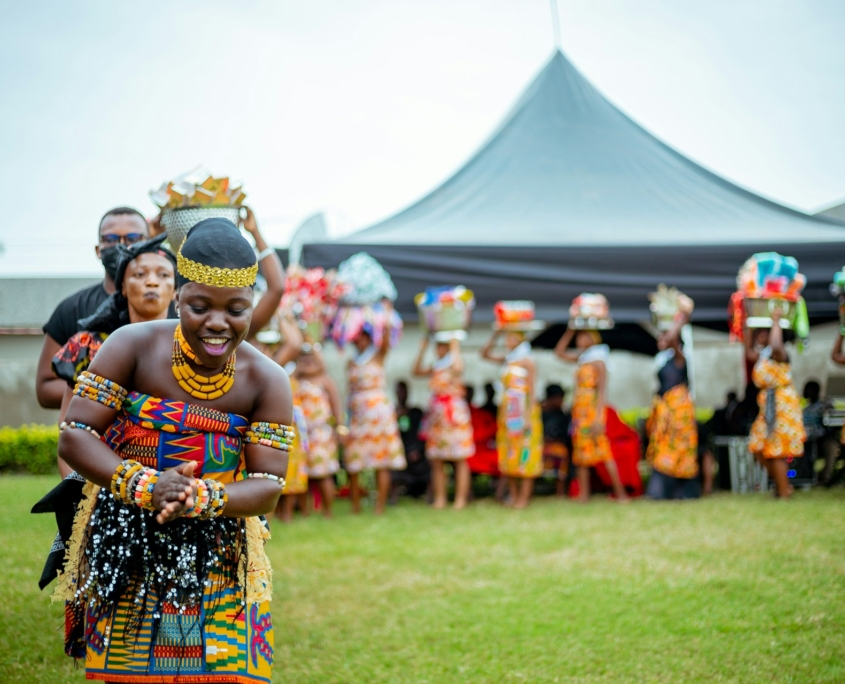
One of the most distinctive features of East Kalimantan is its cultural diversity. Indigenous communities, including Dayak, Kutai, Paser, and Berau groups, contribute to the province’s rich collection of traditions, languages, crafts, and performing arts. Communities with roots in other parts of Indonesia have also helped shape the region’s contemporary identity.
Traditional dances, woven textiles, beadwork, wood carving, and customary ceremonies remain important expressions of local heritage. These traditions offer insight into the relationships between communities, their history, and the natural environments in which they live.
Visitors interested in cultural experiences can explore local museums, cultural villages, traditional markets, and community events. Approaching these experiences respectfully is important, particularly when ceremonies or customary practices have specific cultural meanings.
Preserving regional heritage is not only about maintaining historic objects. It also involves supporting local artisans, passing knowledge between generations, and creating opportunities for younger people to engage with their cultural backgrounds.
Natural Attractions Worth Exploring
East Kalimantan offers a variety of natural destinations for visitors interested in wildlife, forests, coastal scenery, and marine environments.
Kutai National Park
Kutai National Park is known for its tropical forest ecosystems and biodiversity. The protected landscape provides habitat for orangutans and many other species, making conservation and responsible tourism especially important.
Visitors should follow local guidance, respect wildlife, and avoid activities that disturb natural habitats. Using authorised guides where appropriate can help support safer and more responsible visits.
The Derawan Islands
Located in Berau Regency, the Derawan Islands are known for their marine environments, coral reefs, and opportunities for snorkelling and diving. The wider island group includes destinations such as Maratua, Kakaban, and Sangalaki.
Marine tourism can bring economic opportunities to coastal communities, but it also depends on protecting the ecosystems that attract visitors. Avoiding coral damage, reducing plastic waste, and following wildlife-viewing guidance are practical ways travellers can help.
The Mahakam River
The Mahakam River is closely connected to the history and daily life of communities across the province. River transport, fishing, and riverside settlements remain important elements of the region’s character.
Exploring the river can provide a different perspective on East Kalimantan, particularly for visitors interested in the relationship between geography, livelihoods, and local culture.
Regional Development and Economic Opportunities
Kalimantan Timur has an important place in Indonesia’s economic landscape. Natural resources have historically contributed to regional activity, while transport infrastructure, services, industry, and investment continue to influence development.
The development of Ibu Kota Nusantara (IKN), Indonesia’s planned new capital, has brought additional attention to parts of the province. The project raises questions about infrastructure, employment, urban planning, public services, environmental safeguards, and long-term economic opportunities.
For local residents and businesses, reliable information can help them understand developments that may affect their communities. Entrepreneurs may be interested in infrastructure and market opportunities, while students and researchers may want to follow changes in employment, population, or regional planning.
Balanced reporting is especially valuable during periods of rapid change. Understanding both potential benefits and practical challenges can help readers form a more complete picture of the region’s development.
Why Local Information Sources Matter
National news provides an important overview of Indonesia, but regional information can offer greater context about developments that directly affect a particular province.
Local updates may cover public services, community events, tourism, education, infrastructure, cultural activities, and economic initiatives. For residents, this information can help them stay connected to their surroundings. For people living elsewhere, it can provide a useful introduction to regional issues and opportunities.
Readers looking for information about the province can explore kalimantan timur as one online starting point for regional content. As with any website discussing public affairs, it is sensible to check the publication details and compare important announcements with official government sources, especially when information relates to public services, regulations, or administrative decisions.
A careful approach to online information helps readers distinguish between general regional coverage, commentary, and verified government announcements.
Supporting Responsible and Sustainable Tourism

Tourism can create opportunities for accommodation providers, guides, transport operators, food businesses, and local craftspeople. However, sustainable tourism requires attention to the needs of residents as well as visitors.
Travellers can contribute by purchasing locally made products, choosing responsible tour operators, respecting community customs, and following conservation guidance. Small decisions can help distribute tourism spending more widely while reducing unnecessary pressure on natural environments.
Local businesses also benefit when visitors understand what makes the region distinctive. Cultural heritage, regional cuisine, river landscapes, and biodiversity can all contribute to tourism experiences that go beyond conventional sightseeing.
Long-term success depends on protecting the resources and traditions that make these experiences valuable in the first place.
Staying Connected With the Region
Learning about a place is an ongoing process. Regional conditions change, new projects emerge, and community priorities evolve. Keeping up with local information can help residents, travellers, students, and business owners understand these changes more effectively.
Useful habits include checking the date of published articles, confirming important claims through primary sources, and comparing reports when a topic has significant public or financial consequences.
For official administrative information, readers should consult the relevant provincial government department or other authorised public institution directly. Independent regional websites may still be useful for discovering topics and exploring local perspectives, but their status and information should be assessed carefully.
Conclusion
East Kalimantan is a region where cultural diversity, natural landscapes, economic activity, and development ambitions intersect. From the Mahakam River and the forests of Kutai National Park to the marine environments around the Derawan Islands, the province offers many ways to understand the wider character of Borneo.
Following regional developments can help people appreciate these local differences while staying informed about changes affecting communities and businesses. Whether the interest is tourism, heritage, investment, or everyday regional news, reliable information is an important starting point.
By exploring the culture, environment, and evolving opportunities of Kalimantan Timur with curiosity and care, readers can develop a deeper understanding of the province and the people who call it home.
