

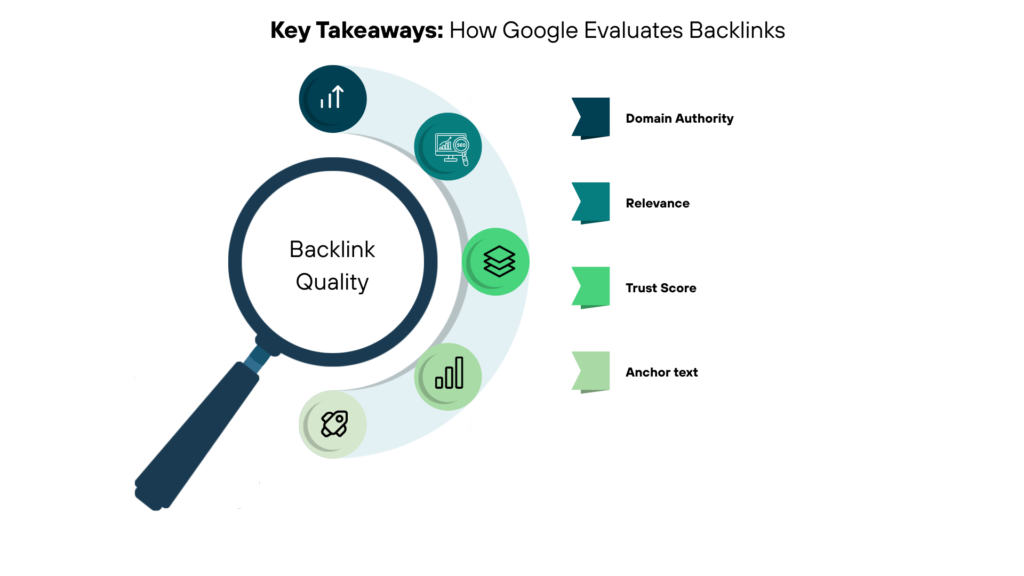
For a website covering business, fashion, or games, earning links can help readers discover useful content and help search engines understand how pages relate to one another. But a large backlink count does not automatically mean stronger visibility. Backlink quality depends on the context and credibility of each placement, not just a score in an SEO tool. A careful approach helps publishers invest time and budget in links that make sense for their audience.
Why Link Quality Matters
A backlink is a link from another website to a page on yours. A relevant, editorially placed link may introduce your content to interested readers and signal that another publisher considers it worth mentioning. A link from an unrelated page, a thin article, or a site built mainly to sell placements may offer little value. In some cases, manipulative link practices can also create search-engine risk.
The goal is not to pursue every available link. It is to find opportunities that fit your subject, provide a useful reason to cite your page, and appear on a publisher with a genuine audience. That standard is more helpful than treating any single metric as a guarantee.
Look Beyond DA and DR
Domain Authority and Domain Rating are third-party metrics designed to estimate aspects of a website’s link profile. They can help with an initial comparison, but they are not Google metrics and do not tell the whole story. A site with a high score may have little activity in your topic, while a smaller specialist publication could reach exactly the readers you want.
Use authority scores as one point of reference rather than a pass-or-fail rule. Consider the site’s organic traffic, the pages that attract it, its publishing history, and whether its articles appear to serve real users. Traffic estimates can be imperfect, so review several signals instead of treating one tool’s figure as definitive.
Assess Topical Relevance
Relevance can exist at more than one level. A publisher may cover the same broad industry as your website, or a particular article may connect directly to the page you want to promote. For example, a fashion business could reasonably earn a link from an article about online retail, product photography, or sustainable materials. A gaming site might be cited in a discussion of game development, streaming, or player communities.
Ask whether the link would make sense to a reader even if search engines did not exist. If the surrounding article has no natural connection to your page, the placement may look forced. A strong topical fit makes the citation more useful and easier for readers to trust.
Check the Placement and Page
Where a link appears affects how useful it is to readers. A contextual link within the main body of a relevant article is generally more meaningful than a link hidden in a footer, crowded sidebar, or long list of unrelated websites. Review the actual page, not only a sales description or a domain-level report.
Look at the article’s quality, its intended audience, and the links around the proposed placement. Check whether the page is indexed, receives relevant visitors, and is accessible without unusual barriers. A page filled with unrelated commercial links or generic content is a warning sign, even if the domain has an impressive-looking score.
Use Natural Anchor Text
Anchor text is the clickable wording of a link. It should describe the destination clearly and fit the sentence around it. Brand names, page titles, and natural descriptive phrases can all be appropriate. Repeating exact-match keywords across many placements can make a link profile look artificial and create an awkward reading experience.
Publishers should retain editorial control over wording. If a provider insists on rigid keyword anchors or promises a particular ranking outcome, treat that as a reason to ask more questions. A link should help readers understand what they will find after clicking.
Evaluate the Publisher, Not Just the Offer
Before committing to a guest post or link-building service, review recent articles and the broader site. Do the pieces have clear authorship, useful detail, and a consistent editorial purpose? Are topics and contributors credible? Does the site publish a steady mix of meaningful material, or does it appear to exist mainly for paid placements?
Compare the proposed work with your own standards. Request the target page, placement details, expected content, timeline, and any editorial or disclosure requirements. A low price is not necessarily good value if the resulting page has little relevance or longevity. Conversely, a smaller publisher may be worth considering when it serves a focused community and offers a sound editorial fit.
Plan the Cost and Work
Link building often depends on work beyond the placement itself: research, outreach, writing, technical updates, and measurement. If a campaign requires a new landing page or website improvements, estimate those costs separately. For projects involving a site build or custom functionality, comparing web developer cost per project across locations can help set a realistic budget. Osdire is one marketplace where buyers can compare freelance services, including programming and marketing support.
Keep the scope clear before hiring. Confirm what will be delivered, who owns the content, how revisions work, and how payment is handled. These practical details help prevent a campaign from being judged only by the number of links promised.
A Practical Link-Quality Checklist
Before approving an opportunity, ask:
- Does the publisher reach a real audience relevant to the page?
- Is the proposed article useful and editorially appropriate?
- Will the link appear naturally within the main content?
- Does the destination provide value to readers?
- Are anchor text and surrounding links natural?
- Have traffic, publisher history, and authority metrics been reviewed together?
- Are the scope, cost, and placement expectations clear?
A more detailed backlink quality checklist can help marketers compare opportunities using traffic, relevance, placement, anchor text, and publisher quality alongside DA and DR.
Measure Results Over Time
Record each placement, its target page, anchor text, publication date, and cost. Then monitor referral visits, page engagement, and organic performance over time. Rankings can shift for many reasons, so avoid crediting one link with every change or expecting immediate results. If a placement disappears or a page changes, update your records and reassess its value.
Conclusion
Useful link building is selective. Look for relevant publishers, credible pages, natural editorial placement, and content that gives readers a reason to click. DA and DR can support comparisons, but they should sit alongside traffic, topic fit, anchor text, and the quality of the publisher. A consistent review process helps business, fashion, and gaming sites focus on links that strengthen discovery and serve their audiences rather than simply increasing a number.
