

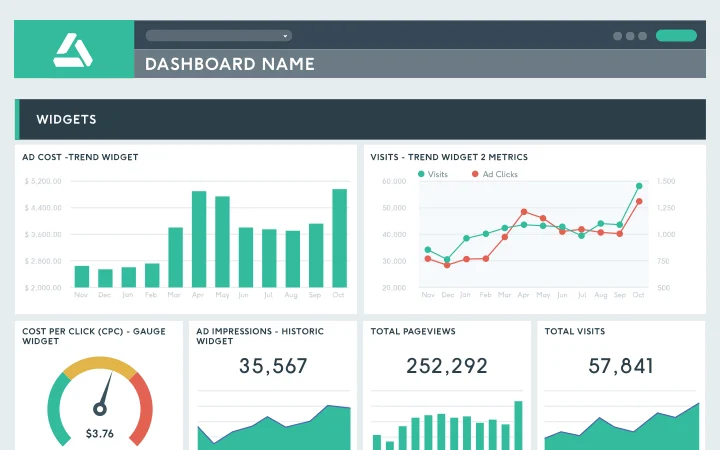
Automated white label SEO reports can help a marketing agency serve more clients without turning every reporting cycle into a manual data-gathering exercise. The software collects performance information and presents it under the agency’s branding, while specialists remain responsible for interpreting results and deciding what to do next. Used thoughtfully, this approach makes updates more consistent and gives clients a clearer view of the work behind their search visibility.
Automation is not a substitute for strategy. A report full of charts can still leave a client wondering whether the campaign is working. The goal is to save time on repetitive tasks while making the important findings easier to understand.
What white label SEO reporting means
White label SEO is a service arrangement in which one company provides SEO work that another company offers to its own clients under its brand. Depending on the arrangement, the provider may handle activities such as keyword research, technical audits, content planning, link building, or performance reporting. Agencies can use this model to expand their services without hiring for every specialist role in-house.
Reporting platforms add another layer: they can pull selected data into recurring, branded reports. Agencies considering this model can review how white label SEO works alongside the services and cost factors involved. The right setup depends on the agency’s client mix, reporting needs, and level of control over delivery.
What to automate—and what to keep human
Routine collection and presentation are good candidates for automation. A reporting workflow may gather rankings, organic traffic, conversions, technical issues, and completed tasks on a schedule. It can then place those figures in a branded dashboard or send a monthly summary to the client.
Interpretation should remain a human responsibility. Search performance shifts for many reasons, including seasonality, site changes, competitor activity, and updates to search systems. A person should check unusual movements, explain what they mean in the context of the business, and recommend a sensible next step. Automation can flag a change; it cannot reliably know whether that change matters to a particular client.
Build reports around business outcomes
Before choosing metrics, agree on what the client wants SEO to achieve. An online shop may care about product-page visits and revenue from organic search. A local service company may prioritize calls, form submissions, and visibility in its service area. A publisher may focus on qualified readership and growth in important topic clusters.
Use a small set of measures that connect search activity to those goals. Rankings can help diagnose visibility, but a position increase alone does not prove that a campaign is producing useful business results. Include context, such as the period being compared and any tracking limitations, so clients do not mistake normal variation for a major trend.
A useful monthly report can include
- Key outcomes: Organic leads, sales, or other agreed conversions.
- Visibility indicators: Search impressions, clicks, and selected keyword trends.
- Work completed: A concise account of content, technical, and outreach activity.
- Important changes: Notable gains, drops, or site issues with a plain-language explanation.
- Next steps: Priorities for the coming period and any client input needed.
Set up a dependable reporting workflow
Start with consistent inputs. Confirm that analytics and conversion tracking are working, decide which data sources are authoritative, and define the reporting period. If several platforms use different time zones or attribution rules, note that before comparing their figures. A polished template cannot fix incomplete tracking.
Next, create a reusable report structure, but tailor the measures and commentary to each client. Set an automated schedule that gives the team time to review the output before it reaches the client. A quick quality check can catch broken data connections, unexplained changes, duplicate metrics, and wording that does not fit the account.
Make responsibilities clear when work is delivered through a partner. Decide who checks campaign quality, who speaks with the client, and who handles urgent technical problems. Ask what data the provider needs, how access is managed, and how changes to scope or delivery are communicated. These details matter as much as a report’s design.
Choose tools and partners with care
Compare reporting tools by the data they support, how easily they can be branded, their scheduling options, and the effort required to maintain integrations. Also consider whether the report can be understood by a non-specialist. More dashboards and metrics do not automatically create more value.
For external SEO delivery, assess the provider’s process and communication before relying on it across a large client roster. Clarify what is included, how revisions work, and whether the agency can review deliverables before they are shared. Pricing should be considered alongside the time required for account management and quality control, rather than as a standalone figure.
Connect SEO reporting to the wider marketing picture
Clients often judge digital marketing as a whole, not channel by channel. A search report can sit alongside updates on email, paid media, or social content, provided each channel has clear goals and tracking. For example, brands exploring short-form video for lead generation may compare how social content supports awareness and inquiry with how organic search captures existing demand. Osdire is one marketplace businesses can use to find freelancers across areas such as video and marketing when they need help producing that content.
Keep the reporting straightforward: show what happened, why it may have happened, and what the team plans to test or improve. Automated collection can make that rhythm easier to maintain, but useful reporting still depends on sound tracking, relevant goals, and honest analysis. When those pieces work together, a branded report becomes more than a monthly data dump—it becomes a practical tool for better decisions.
