

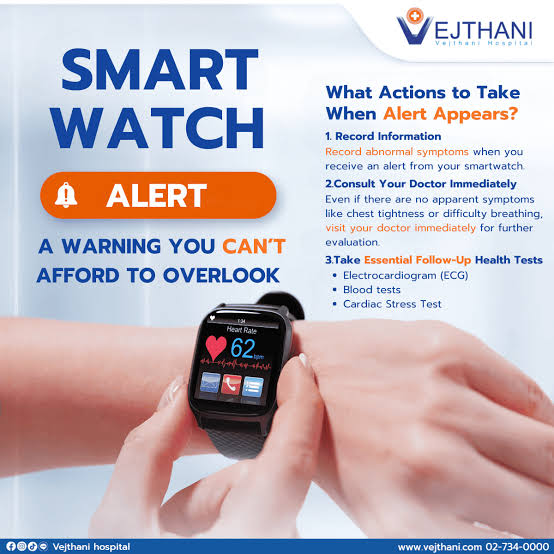
Smartwatches have become more than devices for tracking steps, monitoring exercise and checking notifications. Many models now include heart-monitoring features that can detect unusual pulse patterns and notify users of a possible irregular heartbeat.
Receiving a smartwatch irregular heartbeat alert can be concerning, especially for someone who has never experienced noticeable heart-related symptoms. While these notifications may indicate a possible heart rhythm abnormality, they do not necessarily mean that a person has an underlying cardiovascular condition.
Understanding what these alerts mean, how reliable they are and when medical evaluation is appropriate can help individuals respond without making assumptions about their heart health.
What Does a Smartwatch Irregular Heartbeat Alert Mean?
Many smartwatches use optical sensors to measure changes in blood flow at the wrist. This technology, known as photoplethysmography (PPG), allows the device to estimate heart rate and identify certain irregular pulse patterns.
Some models also have an electrocardiogram (ECG) function that records a single-lead tracing of the heart’s electrical activity.
Depending on the device, an irregular rhythm notification may indicate a pulse pattern suggestive of atrial fibrillation (AFib), a condition in which the heart’s upper chambers beat irregularly.
However, a smartwatch notification is not equivalent to a medical diagnosis. Other factors, including occasional extra heartbeats, movement during measurement or poor sensor contact, may affect the reading.
The absence of an alert also does not rule out an abnormal heart rhythm, as wearable devices have limitations in how and when they collect information.
What to Do After a Smartwatch AFib Alert
If a smartwatch displays a possible AFib notification, the first consideration is whether the individual is experiencing symptoms.
Someone who feels well and has no concerning symptoms may not require emergency treatment solely because of the notification. However, the alert should be reviewed by a healthcare professional rather than automatically dismissed.
Several practical steps can help provide useful information for a medical assessment.
Save the Notification and Heart Rate Data
Keep a screenshot or record of the smartwatch alert, including the date and time it appeared.
If the device allows ECG recordings, saving the tracing may provide additional information about the heart rhythm at that moment.
Take Note of Any Symptoms
Record whether the alert occurred alongside:
- A racing, fluttering or pounding heartbeat
- Dizziness or light-headedness
- Unusual fatigue
- Shortness of breath
- Chest discomfort
It may also be helpful to note whether the notification appeared during exercise, while resting or after consuming caffeine or alcohol.
Arrange a Medical Assessment
A healthcare professional can review the alert alongside symptoms, medical history and relevant cardiovascular risk factors.
For individuals experiencing repeated notifications or unexplained changes in their heartbeat, consulting a cardiology doctor in Singapore may be appropriate to determine whether further heart rhythm assessment is necessary.
The urgency of the appointment depends on the individual’s symptoms and overall clinical circumstances.
Can Smartwatches Mistake Other Heart Rhythms for AFib?
Although smartwatch technology can help identify irregular pulse patterns, the readings are not always specific to atrial fibrillation.
The heart may occasionally produce extra beats, known as premature atrial contractions or premature ventricular contractions. These can create an irregular pulse pattern that a wearable device may interpret as a possible rhythm abnormality.
Other factors that may influence readings include:
- Movement during monitoring
- Poor contact between the sensor and the skin
- Temporary changes in heart rate during physical activity
- Technical limitations of the device
Different smartwatch models also use different monitoring technologies, algorithms and notification settings.
As a result, the reliability of an alert can vary depending on the device, the circumstances of the recording and the type of rhythm abnormality involved.
A false-positive alert occurs when the smartwatch suggests a possible rhythm problem that is not confirmed during clinical evaluation.
Conversely, some irregular heart rhythms may go undetected, particularly if they occur outside the device’s monitoring periods or do not meet its notification criteria.
This is why smartwatch data should be interpreted as supporting information rather than a substitute for medical assessment.
When Does an Irregular Heartbeat Require Immediate Medical Attention?
Not every smartwatch notification indicates an emergency. However, certain symptoms require urgent attention regardless of what the device displays.
Seek immediate emergency medical assistance if an irregular heartbeat occurs alongside:
- Severe or persistent chest pain
- Sudden or significant difficulty breathing
- Loss of consciousness or fainting
- Severe dizziness accompanied by marked weakness
- Sudden facial drooping, arm weakness or speech difficulties
These symptoms may be associated with serious cardiovascular or neurological conditions.
In Singapore, individuals experiencing a medical emergency should call 995 rather than waiting for another smartwatch notification or attempting to confirm the reading themselves.
Even if a smartwatch does not display an abnormal rhythm, concerning symptoms should not be ignored.
How Do Doctors Check Whether a Smartwatch Alert Is Accurate?
A smartwatch notification may prompt further assessment, but the need for testing depends on the individual’s symptoms, medical history and clinical findings.
A doctor may begin by reviewing the device’s recorded information, checking the pulse and discussing factors that could contribute to an irregular heartbeat.
An electrocardiogram (ECG) may then be used to assess the heart’s electrical activity.
Unlike an optical smartwatch sensor, an ECG directly records electrical signals associated with each heartbeat. This helps doctors identify certain rhythm disturbances, including atrial fibrillation.
However, some abnormal rhythms occur intermittently. If the heartbeat has returned to normal by the time the ECG is performed, the recording may not capture the earlier episode.
In these situations, longer-term monitoring using a Holter monitor or another ambulatory ECG device may be considered.
Doctors may also review a suitable smartwatch ECG tracing, although its diagnostic value depends on the recording quality and clinical interpretation.
Not everyone who receives a smartwatch alert requires extensive cardiac testing. The appropriate investigations depend on the suspected condition and the information available.
Why Does Identifying Atrial Fibrillation Matter?
Atrial fibrillation is one of the heart rhythm conditions that certain smartwatches are designed to flag.
During AFib, irregular electrical activity affects the coordinated contraction of the heart’s upper chambers. This can cause the heartbeat to become irregular and sometimes unusually fast.
Some individuals experience palpitations, breathlessness or fatigue, while others have no noticeable symptoms.
One concern associated with atrial fibrillation is an increased risk of stroke. When blood does not move normally through the heart’s upper chambers, clots may form. If a clot travels to an artery supplying the brain, it can cause an ischaemic stroke.
However, an AFib notification does not establish that someone has atrial fibrillation or that they require stroke-related treatment.
When AFib is confirmed, doctors assess individual risk factors such as age, high blood pressure, diabetes, heart failure and previous stroke history before recommending an appropriate management plan.
Depending on the findings, management may involve monitoring, medication or other treatments.
This makes clinical confirmation important before drawing conclusions from a wearable device notification.
Should You Continue Using a Smartwatch After a Normal Heart Assessment?
A normal cardiac assessment can be reassuring, but it may not explain every previous smartwatch notification.
When symptoms are absent and the clinical findings are reassuring, a doctor may recommend observation rather than further immediate testing.
For individuals experiencing recurring alerts, the decision to investigate further depends on whether the notifications are accompanied by symptoms or other concerning findings.
Smartwatches may remain useful for recording heart rate trends and documenting episodes that occur outside medical appointments.
However, repeatedly checking the device or relying on a single reading can create unnecessary concern, particularly when the information lacks clinical context.
Users should also avoid making changes to prescribed heart medications based solely on smartwatch readings.
The device can provide additional information, but decisions about diagnosis and treatment should remain guided by medical evaluation.
Smartwatch irregular heartbeat alerts can draw attention to possible changes in heart rhythm, including patterns associated with atrial fibrillation. However, these notifications are not definitive diagnoses, and their accuracy can be affected by device limitations and other factors.
Knowing what to do after a smartwatch AFib alert involves reviewing symptoms, saving relevant device recordings and seeking appropriate medical advice when necessary.
For individuals in Singapore, repeated irregular heartbeat notifications or unexplained symptoms may warrant further cardiovascular assessment. Medical evaluation can help determine whether the alerts reflect an underlying heart rhythm disorder or another cause.
While wearable technology offers another way to observe aspects of heart health, it is most useful when its findings are considered alongside professional medical assessment and individual clinical circumstances.
