

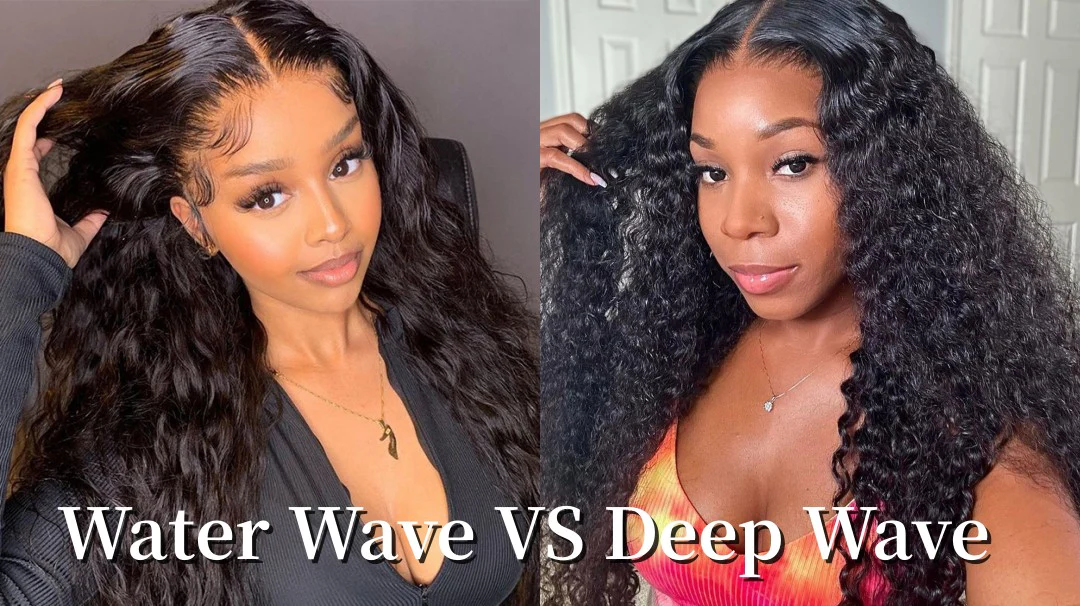
Choosing between a water wave wig and a deep wave wig can be harder than it sounds. Both have beautiful curls, plenty of volume, and that relaxed look that works for everyday wear or a dressed-up occasion. The difference becomes clearer when you look at the curl pattern, how much definition you want, and the time you’re willing to spend on styling.
OQ Hair offers options for anyone who loves textured hair but wants to find a style that fits their routine. If you’re deciding between these two looks, it helps to know what each one brings to the table before making your choice.
What Makes a Water Wave Wig Different?
A water wave wig has loose, flowing waves that resemble hair after a swim or a fresh wash. The pattern usually features soft curves with a slightly tousled finish, giving the hair movement without looking too structured. It’s a good choice if you like textured hair that feels relaxed rather than overly styled.
One thing people tend to love about this pattern is its versatility. You can wear it with a middle part, sweep it to one side, or pull some hair away from your face for a casual half-up style. The waves create natural-looking volume without necessarily making the hair appear too full.
A water wave wig also works well when you want a style that looks good without spending ages in front of the mirror. A little water and a suitable leave-in conditioner can help refresh the waves when they start to look dry or lose their shape.
Of course, the final look depends on the wig’s length, density, and construction. Longer styles may show off the wave pattern more clearly, while shorter options can feel lighter and easier to manage throughout the day.
Why Choose a Deep Wave Wig?
A deep wave wig is for anyone who prefers a more defined curl pattern. Its waves are tighter and more pronounced than those of a typical water wave style, creating a fuller appearance with plenty of texture. If you enjoy hair that makes a statement without needing elaborate styling, this pattern is worth considering.
Deep waves often give the impression of greater density because the curls sit closer together. That can be especially appealing if you want a voluminous look for a birthday, holiday, wedding, or night out. The texture also looks beautiful when the hair falls around the shoulders, adding depth and movement.
There is a small trade-off, though. Defined waves need proper care to keep them from becoming tangled or losing their shape. Brushing through the hair when it’s dry can disrupt the curl pattern and create unnecessary frizz. Using your fingers or a wide-tooth comb on damp hair is usually a better approach.
A deep wave wig may suit you if you enjoy maintaining textured hair and don’t mind spending a little extra time refreshing the curls. With the right routine, the pattern can remain attractive and well-defined between washes.
Water Wave vs. Deep Wave: The Main Differences
The biggest difference comes down to the shape and definition of the waves. Water wave hair generally has a looser, more flowing pattern, while deep wave hair features tighter curves that create a fuller-looking finish.
Think about the overall appearance you’re after. If you prefer a soft, beachy style with plenty of movement, a water wave wig is a natural option. If you like more prominent waves and a little extra visual volume, a deep wave wig may be closer to what you have in mind.
Styling also plays a part. Water waves can look especially nice with a slightly messy, effortless finish. Deep waves tend to stand out when their curl pattern is well-defined, so keeping the hair moisturized and separating the curls gently can make a noticeable difference.
Neither texture is automatically easier to maintain in every situation. Hair length, density, the quality of the hair, and your daily habits all affect how much attention a wig needs. A shorter, lightweight deep wave wig may be easier to manage than a very long water wave style, for example.
Which Wig Is Better for Everyday Wear?
If you’re buying a wig for regular use, consider your schedule before choosing a texture. You might love the look of dramatic curls, but the best option is one you can comfortably maintain on busy mornings.
A water wave wig is a practical choice if you prefer a softer finish that can be refreshed quickly. After waking up, you may only need to mist the hair with water, smooth a little conditioner through the lengths, and gently separate the waves with your fingers. This can help bring back movement without completely restyling the wig.
A deep wave wig can work just as well for everyday wear, particularly if you enjoy a fuller hairstyle. The key is to keep the curls hydrated and avoid rough handling. If you protect the wig while sleeping and refresh it when needed, you can maintain a defined look without starting from scratch every morning.
Your lifestyle matters here. If you travel frequently, have a packed work schedule, or simply don’t want to spend much time on hair care, choose the texture that fits naturally into your routine.
How to Care for Your Water Wave or Deep Wave Wig
Both textures benefit from gentle handling, regular conditioning, and careful detangling. Start by working in small sections, beginning at the ends and moving upward to avoid pulling on knots. When possible, detangle the hair while it’s damp and coated with a suitable conditioner.
Water wave hair usually responds well to light misting when the waves need a refresh. Avoid soaking the hair with heavy products, as too much buildup can weigh down the pattern and make the strands feel coated.
For a deep wave wig, focus on keeping the curls separated without pulling them apart too much. Apply a small amount of lightweight moisturizing product, then scrunch the hair gently to encourage the wave pattern. Letting the hair air-dry can help preserve its texture while reducing unnecessary heat exposure.
At night, loosely braid the hair or arrange it in a protective style if appropriate for the wig’s length. A satin bonnet or pillowcase can reduce friction and help limit tangling. Store the wig properly when you’re not wearing it, and follow the care instructions supplied with your specific unit.
One more tip: avoid assuming that more product means better results. Start with a small amount and add more only if needed. Too much oil or styling cream can leave either texture looking heavy instead of soft and defined.
Find Your Favorite Texture With OQ Hair
The choice between a water wave wig and a deep wave wig really comes down to personal style. One isn’t better than the other; they simply create different looks.
If you love loose waves, an easygoing finish, and hair that moves naturally, a water wave wig may be the right fit. If you prefer tighter waves, a fuller appearance, and curls that stand out, a deep wave wig could be the better match.
Before choosing an OQ Hair style, consider the length you want, how much volume you prefer, and how much time you’re comfortable spending on maintenance. Looking at the curl pattern from different angles can also help you understand how the wig may fall when worn.
Both textures can be styled for casual outings, workdays, and special occasions. The right choice is the one that makes you feel comfortable and confident without adding unnecessary work to your routine. Once you find that balance, enjoying your new hairstyle becomes a lot easier.
