

Alexistogel appears in various online contexts primarily as a reference to online lottery or togel platforms, often linked to sites offering predictions, live draws, and betting for games like Toto Macau, Togel HK, or other Asian lotteries. These platforms emphasize trusted results, data analysis, and user-friendly access for enthusiasts seeking accurate keluaran or prediksi numbers. However, when considering the query in relation to Colombian travel and cuisine themes, it is possible that “alexistogel” could evoke curiosity about unique or lesser-known tropical fruits in Colombia, where exotic produce forms a vibrant part of the cultural and gastronomic landscape.
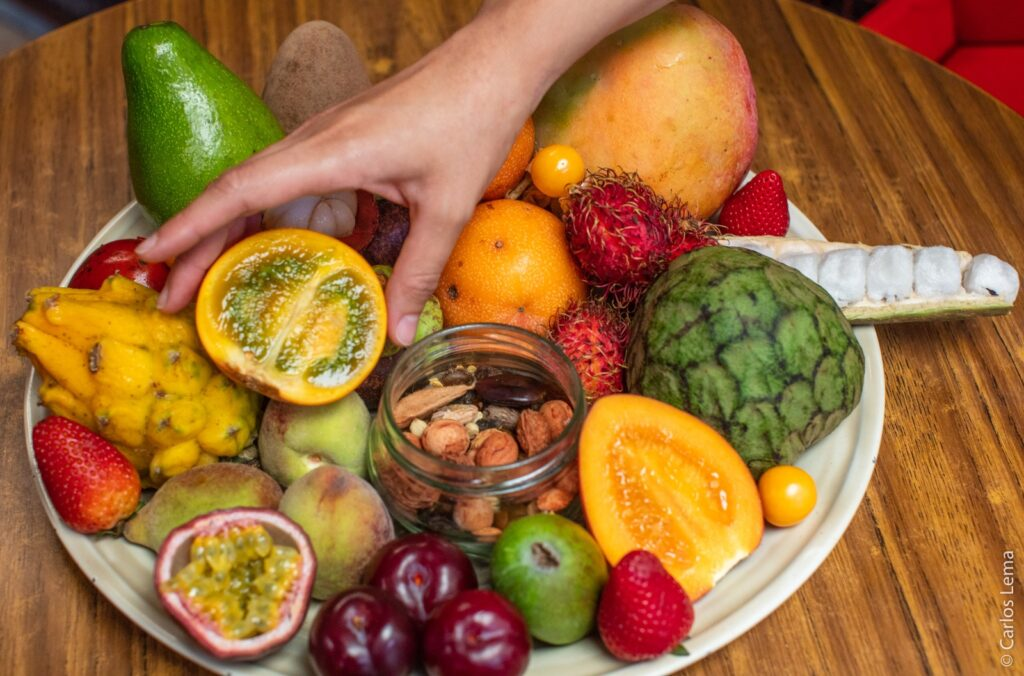
Colombia boasts an extraordinary biodiversity that results in one of the world’s richest arrays of fruits, many of which are everyday staples yet exotic delights to visitors. The country’s equatorial position and varied climates—from Andean highlands to Amazonian lowlands and Caribbean coasts—create ideal conditions for an abundance of flavors, textures, and colors. Typical Colombian fruits offer not only refreshing snacks but also key ingredients in juices, desserts, and traditional dishes that highlight local creativity and health benefits.
Uchuvas: The Golden Berry Treasure
Uchuvas, known internationally as physalis or cape gooseberries, thrive abundantly in Colombia and stand out for their sweet-tart profile wrapped in a delicate papery husk. Rich in phosphorus, protein, and vitamins A and C, these golden orbs are versatile in Colombian kitchens, appearing in gourmet experiments by top chefs or enjoyed fresh as a nutritious snack. Their premium status in Europe contrasts sharply with their everyday availability here.
Maracuyá: Passion Fruit Powerhouse
Maracuyá, or passion fruit, ranks among the most beloved and affordable tropical fruits in the country. The yellow Colombian variety tends to be larger and more acidic than the purple type found elsewhere, delivering a bold, tangy punch ideal for juices, desserts, or refreshing drinks. In cities like Bogotá, the sweeter purple version appears at higher prices, but the classic yellow form remains a market favorite.
Granadilla: Sweet Passion Fruit Cousin
Closely related to maracuyá, granadilla offers a milder, sweeter experience that many consider one of Colombia’s most delicious exotic fruits. Eaten by scooping out the juicy pulp with a spoon or blended into smoothies, yogurt mixes, or desserts, its pleasant flavor makes it highly recommendable for newcomers exploring local produce.
Gulupa: Amazonian Passion Variant
Popular in the Amazonas region, gulupa shares the passiflora family traits with maracuyá and granadilla but leans toward greater acidity. Often sweetened slightly in juices or nectars, this fruit adds a distinctive regional touch to Colombian tropical cuisine.
Mango: Everyday Tropical Icon
Mangoes appear in countless forms across Colombia, from green and unripe versions used in savory dishes to ripe, juicy ones savored fresh. Small “mangos de azúcar” even allow eating the skin, providing a sweet, convenient treat full of sunshine flavor.
Guanábana: Creamy Caribbean Delight
Guanábana, with its large size and sweet, custard-like pulp reminiscent of cherimoya, produces one of the Caribbean’s classic juices. Its smooth texture and rich taste make it a refreshing favorite in hot climates.
Tomate de Árbol: Versatile Tree Tomato
Available in red, yellow, and common varieties, tomate de árbol is a market staple prized for its tangy-sweet balance. It shines in juices, sauces, and preserves, adding versatility to Colombian tables.
Pitaya: Dragon Fruit Refreshment
Known as dragon fruit globally, the yellow Colombian pitaya offers a mildly sweet, refreshing flesh with tiny edible seeds. More expensive locally than the pink Asian variety, it remains a sought-after exotic treat.
Lulo: Andean Specialty
Essential to the iconic lulada drink from the Cauca region, lulo features a fuzzy, spiny peel and citrusy, aromatic pulp. Its unique flavor makes it indispensable in Colombian beverages.
Guayaba: Economical and Nutritious
Guayaba provides soft, creamy sweetness at an affordable price, packed with health benefits. It appears in juices, pastes, jams, and desserts, serving as a versatile everyday fruit.
Papaya: Widespread Favorite
Papaya comes in various sizes and delivers sweet, orange flesh when ripe, making it one of the most enjoyable and widely consumed fruits nationwide.
Moras: Andean Berry Bliss
Common in the Andean zone, moras bring tart-sweet notes to juices and traditional desserts, adding vibrant color and flavor to local cuisine.
Balú or Chachafruto: Superfood Pod
A native Andean pod from the Erythrina edulis tree, balú offers high-quality protein and vitamins, historically vital during food shortages. Cultivated near coffee plantations for shade and soil protection, its seeds are fried, boiled, or ground into flour for sweets, jams, and arepas.
Borojó: Pacific Energizer
Famed in the Pacific region for its tasty, purportedly energizing properties, borojó features in juices and traditional remedies.
Corozo: Culinary Pastime Fruit
Widespread across regions, corozo yields little edible flesh but produces a classic juice through boiling, with seeds used for oil in soap-making.
Mamey: Cartagena Classic
Cultivated in tropical zones, mamey delivers sweet pulp for fresh eating, juices, or preserves, with seeds powdered as a natural insecticide.
Zapotilla or Níspero: Earthy Sweetness
Related to mamey, zapotilla combines sweet and earthy notes in a unique profile best experienced fresh from Colombian markets.
Feijoa: Sweet-Acid Brazilian Guava
Feijoa offers a characteristic sweet-tangy balance, enjoyed raw or transformed into jams and sweets for its health benefits.
Noni: Bitter Wellness Fruit
Known for fiber, proteins, iron, vitamin C, calcium, and zinc, noni has a famously bitter taste and is often consumed in capsules, tablets, or tea.
Guatila or Chayote: Poor Man’s Potato
Beneficial for health, guatila appears in juices, purees, and soups as an economical, nutritious staple.
Nopal: Cactus Wonder
Appreciated for its pads and fruits (higos chumbos), nopal features in juices, sauces, and traditional preparations.
Ñame: Tuber Staple
Similar to taro, ñame enriches soups and stews with its starchy texture in Colombian gastronomy.
Arracacha: Creamy Root Vegetable
Rich in calcium and vitamin A, arracacha stars in gnocchi, cakes, empanadas, and other comforting dishes.
Colombia’s fruit diversity reflects its natural wealth and cultural richness, inviting travelers and locals to savor these treasures fresh, in juices, or creative preparations. Whether seeking exotic new tastes or familiar favorites elevated by local twists, the country’s markets and kitchens offer endless discovery.
