

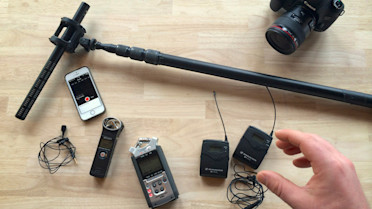
Picture this: you’ve just spent hundreds of dollars on a shiny new camera rig, excited to elevate your content. Fast forward three months, and that expensive gear sits gathering dust in your closet while you’re back to shooting handheld with your phone. Sound familiar? You’re not alone. Countless content creators fall into this frustrating cycle, investing in video equipment that looks impressive but never quite fits their actual needs.
The real problem isn’t a lack of options—it’s making the wrong choices. Many creators waste significant time and money on video gear due to common, avoidable selection errors. They chase specifications over functionality, buy trendy equipment that doesn’t match their workflow, or end up with a collection of incompatible parts that don’t work together.
This guide will highlight the five most critical mistakes people make when choosing video gear and photography accessories, then provide you with actionable advice to make smarter purchasing decisions. By understanding these pitfalls, you’ll build a kit that actually serves your creative vision without draining your budget on equipment that ends up unused.
Mistake 1: Prioritizing Price Over Purpose and Compatibility
The allure of a bargain is powerful. When browsing online marketplaces, it’s tempting to grab that $15 camera cage or the discounted tripod head without much thought. But this price-first mentality often leads creators down an expensive path. That cheap cage might not have the right mounting points for your microphone. The bargain tripod head might use proprietary connections that lock you into a limited ecosystem. Before you know it, you’ve spent $200 on individual budget items that don’t work together, when a $180 compatible system would have served you better.

The hidden costs multiply quickly. A mismatched rig means wasted time jury-rigging solutions with adapters and workarounds. You’ll miss spontaneous shooting opportunities while fumbling with incompatible connections. Failed shoots cost more than money—they damage your reputation and client relationships. Low-quality gear also breaks at the worst moments, forcing emergency replacements that blow your budget. The initial savings evaporate when you factor in the replacement purchases, adapters to force compatibility, and the opportunity cost of shots you couldn’t capture.
Solution: Define Your Shooting Needs First
Before spending a dollar, conduct an honest audit of your shooting patterns. Review your last twenty videos or shoots. What environments dominated—studio, outdoor, events, or travel? Which shots appeared most frequently? This reveals your actual needs versus imagined ones. Next, identify specific problems plaguing your current workflow. Do you struggle with shaky footage during walks? Need better low angles for product shots? Want hands-free operation for tutorials? Write these down as concrete problems to solve, not vague desires to “upgrade.” Finally, research how camera rig components interconnect. Learn the difference between 1/4″-20 threads (standard camera mount) and 3/8″-16 threads (larger accessories). Understand cold shoe mounts, NATO rails, and ARRI rosettes. When you know these standards, you can build a cohesive system where each piece enhances the others, ensuring every purchase moves you toward specific creative goals rather than accumulating incompatible parts.
Mistake 2: Overlooking Portability and Setup Speed
There’s a seductive appeal to professional-looking rigs with rails, handles, follow focus systems, and monitor mounts. They look cinematic. They feel serious. But here’s the reality check: if your rig takes fifteen minutes to assemble and weighs twelve pounds, you won’t bring it to most shoots. That elaborate cage setup stays home when inspiration strikes at a local coffee shop or during an unexpected sunset. The bulkier your gear, the higher the mental barrier to actually using it. You’ll rationalize leaving it behind, promising yourself you’ll come back with proper equipment—but you rarely do, and those spontaneous moments vanish forever.

Complex setups don’t just burden your back; they strangle your creative flow. While you’re attaching the third accessory arm and balancing your monitor, the perfect lighting changes. Your interview subject grows impatient. The crowd disperses. Event videographers know this pain intimately—fumbling with equipment while the decisive moment passes. Heavy gear also limits shooting duration. Your arms fatigue faster, your movements become less fluid, and you cut shoots short simply because the physical burden becomes unbearable. The irony is cruel: gear meant to improve your content actually prevents you from capturing it.
Solution: Building Flexible Shooting Setups
The answer lies in modular thinking. Start by identifying your absolute essentials—typically camera, one light source, and audio. Build around these with accessories that attach and detach in seconds. Modular components let you scale complexity to match the situation. A quick street interview needs just camera and mic. A planned product video can justify the full rig. Prioritize lightweight materials like aluminum or carbon fiber that don’t sacrifice durability. When selecting mounts, versatility trumps specialization. A quality clamp can secure your camera to railings, poles, chair backs, or tripod legs, replacing five single-purpose mounts. Similarly, a suction mount works on car windows, glass doors, smooth walls, and even whiteboards, giving you dynamic angles without hauling a tripod everywhere. Create location-specific kits: a minimal “always-ready” setup that lives in your everyday bag, a mid-weight event kit, and your full studio configuration. This tiered approach means you’re never without capable gear, but you’re also never burdened by unnecessary weight. Test your setup speed ruthlessly—if you can’t go from bag to shooting in under three minutes, simplify further.
Mistake 3: Neglecting Versatile Mounting Solutions
Walk into any creator’s studio, and you’ll likely find a drawer stuffed with single-purpose mounts—a GoPro chest harness used once, a dashboard mount gathering dust, a handlebar clamp from that cycling video three years ago. Each purchase made sense at the time, solving one specific shot. But this accumulation of specialized gear creates a hidden problem: you’re locked into repeating the same angles because each mount only works in one scenario. That suction mount only sticks to car windows. That clip-mount only grabs shirt collars. When a new creative opportunity emerges requiring a different perspective, you’re either stuck with familiar angles or facing another purchase. This approach fragments your budget across dozens of narrow solutions instead of investing in truly adaptable tools.

The creative cost runs deeper than wasted money. Limited mounting options mean limited visual storytelling. Your videos develop a sameness because you’re constrained by your gear’s inflexibility. Viewers notice when every vlog uses the same three camera positions. Clients expect dynamic perspectives that single-use mounts can’t deliver. Meanwhile, you’re hauling a heavy bag of specialized equipment to every shoot, most of which sits unused. The irony stings: you own more mounting gear than ever, yet you’re less prepared for unexpected shooting situations than someone with three versatile accessories.
Solution: Leverage Multi-Purpose Photography Accessories
The shift starts with prioritizing adaptability over specialization. When evaluating any mount, ask whether it solves multiple problems across different environments. A quality suction cup mount transforms into countless configurations—attach your phone to car windows for driving shots, stick it to glass doors for storefront perspectives, mount it on mirrors for unique reflections, or use smooth walls and whiteboards for overhead angles. The same single tool replaces five specialized mounts. Similarly, a robust super clamp becomes your universal problem-solver. It grips poles for street-level shots, clamps onto table edges for overhead product photography, attaches to tripod legs for multi-camera setups, and secures to railings for elevated perspectives. Look for mounts featuring multiple threaded connections—both 1/4″-20 threads for cameras and phones, plus 3/8″ threads for larger accessories like monitors or lights. This dual-threading means one mount serves your entire kit rather than just one device. Build your mounting collection around these versatile foundations, adding specialized tools only when you’ve exhausted a multi-purpose option’s capabilities. This approach delivers more creative angles with fewer items, keeping your kit lean while expanding your visual vocabulary.
Mistake 4: Ignoring the Ecosystem (How Gear Connects)
Many creators shop like they’re collecting trading cards, grabbing individual pieces that catch their eye without considering how everything connects. A cage from one brand, a handle from another, a monitor mount from a third—each item looks good in isolation, but when you try assembling them, nothing lines up. The cage has NATO rails, but your handle uses ARRI rosettes. Your monitor mount needs a cold shoe, but your cage only offers 1/4″-20 threads. Suddenly you’re hunting for adapters, stacking multiple connection points that add weight and instability, or worse, discovering that no adapter exists to bridge your specific components. That drawer full of orphaned parts represents real money spent on gear that can’t fulfill its purpose because the pieces don’t speak the same language.
This fragmented approach costs you more than the obvious wasted purchases. Each incompatible connection point becomes a creative limitation. You can’t add that microphone because there’s nowhere to mount it. You can’t position your light where you need it because the arm won’t attach. Instead of focusing on your shot, you’re problem-solving basic logistics. The frustration compounds when you want to upgrade—that new camera requires a different cage, which means your existing handles and accessories become obsolete overnight. You’re forced into expensive wholesale replacements rather than incremental improvements.
Solution: Plan Your Gear Ecosystem for Cost-Effective Upgrades
Building a coherent system starts with establishing a foundation that future purchases can build upon. Begin with a quality cage or baseplate that serves as your central hub. This core component should offer multiple mounting standards—1/4″-20 threads, 3/8″-16 threads, cold shoe mounts, and ideally NATO rails or ARRI rosettes for professional accessories. Before buying any add-on, verify it connects directly to your existing setup without adapters. When selecting handles, check they mount securely to your cage’s connection points. When choosing monitor mounts, ensure they attach via threads or rails you already have. This discipline prevents accumulating incompatible parts. Consider committing to brands like SmallRig that maintain unified ecosystems, where cages, handles, follow focus systems, and mounts are designed to work together seamlessly. This approach allows cost-effective expansion—you can add a handle this month, a monitor mount next quarter, and a top plate next year, confident each piece integrates perfectly. Your rig grows with your skills and budget without requiring painful overhauls or adapter compromises.
Mistake 5: Following Trends Instead of Your Workflow
Social media feeds overflow with creators showing off their latest gear acquisitions—gimbals, sliders, RGB lights, wireless follow focus systems. It’s easy to feel left behind, convincing yourself that you need these trending tools to stay relevant. But here’s the uncomfortable truth: that three-axis gimbal gathering dust in your closet cost $400 because an influencer raved about it, yet your content style consists primarily of static interviews and product close-ups. The slider you bought after watching countless cinematic travel videos sits unused because you shoot indoors in a small studio. Trend-driven purchases create a painful disconnect between the gear you own and the content you actually create, draining budgets on equipment that never matches your real workflow.
This mistake compounds because trending gear often addresses problems you don’t have. A wireless video transmission system makes sense for a two-camera wedding videographer but offers zero value to a solo talking-head creator. An expensive anamorphic lens adapter creates cinematic bokeh that your smartphone-watching audience won’t notice or care about. Meanwhile, the unsexy essentials you actually need—better audio treatment, reliable lighting, or a second battery—get postponed because the budget went to impressive-looking tools that don’t serve your specific content format. The result is a collection of underutilized equipment and persistent workflow problems that never get solved.
Solution: Audit and Adapt Your Gear Based on Real Usage
Break the trend cycle with ruthless honesty about your actual shooting patterns. Every three months, conduct a gear usage audit. Open your camera roll or editing software and review the last twenty projects. Which pieces of equipment appeared in every shoot? Which sat untouched? Create two lists: essential tools you can’t work without, and items you haven’t used in ninety days. This data reveals the gap between perceived and actual needs. Next, convert unused gear into budget for real solutions. Sell or trade those dormant accessories on creator marketplaces or local groups. That unused gimbal could fund the shotgun microphone you’ve been postponing, directly improving your audio quality. Before any significant purchase, especially trendy or expensive items, rent first. A weekend rental costs a fraction of buying and definitively answers whether the tool fits your workflow. If you find yourself wishing you owned it after three separate rentals, then commit to the purchase. This approach ensures every dollar spent addresses genuine creative needs rather than temporary equipment envy.
Build a Smarter Video Gear Strategy
The path to effective video gear selection becomes clear when you avoid these five critical mistakes: prioritizing price over purpose and compatibility, overlooking portability and setup speed, neglecting versatile mounting solutions, ignoring how your gear ecosystem connects, and following trends instead of your actual workflow. Each mistake represents a different way creators sabotage their own success—wasting money on incompatible parts, burdening themselves with unusable rigs, limiting creative angles, accumulating orphaned accessories, or chasing equipment that doesn’t serve their content style.
Smart gear selection isn’t about owning the most equipment or the latest releases. It’s about solving specific problems in your workflow with compatible, versatile tools that work together seamlessly. A small collection of multi-purpose accessories that you actually use will always outperform a closet full of specialized gear gathering dust. The right approach saves money, reduces physical burden, expands creative possibilities, and most importantly, keeps you focused on what matters—creating compelling content rather than managing equipment frustrations.
Before making your next purchase, assess your current kit against these five principles. Identify which mistakes you’ve already made, sell or trade the gear that doesn’t serve you, and redirect that budget toward building a coherent system matched to your real shooting needs. Your future self—and your content quality—will thank you.
