

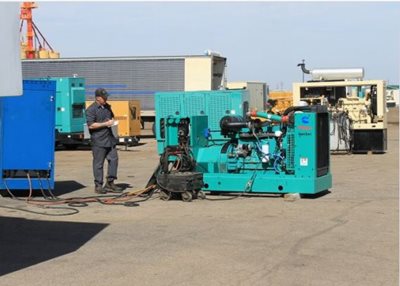
Power plants are crucial infrastructures that are responsible for generating electricity to meet the demands of society. One of the key components of a power plant is the generator, which converts mechanical energy into electrical energy. To ensure the reliable operation of a power plant, proper maintenance of generators is essential. In this article, we will discuss the best practices for power plant generator maintenance.
1. Regular Inspections
Regular inspections of power plant generators are vital to identify any potential issues before they escalate into major problems. Visual inspections, as well as checks on components such as cooling systems, lubrication systems, and electrical connections, should be conducted frequently. This proactive approach can help in preventing unexpected downtime and costly repairs.
Regular inspections of power plant generator maintenance are essential to detect any possible problems before they turn into significant issues. Visual examinations and assessments of vital components like cooling systems, lubrication systems, and electrical connections should be performed on a regular basis. By adopting this proactive strategy, power plant operators can avoid unforeseen downtime and expensive repairs, ensuring smooth and efficient operation of the generators.
2. Testing and Monitoring
Testing and monitoring of generator performance are essential aspects of maintenance. Regular testing of parameters such as voltage, current, and insulation resistance can help in detecting any deviations from normal operating conditions. Advanced monitoring systems that provide real-time data on generator health can assist in predicting potential failures and optimizing maintenance schedules.
Furthermore, conducting load bank testing to simulate real-world operating conditions can ensure that the generator is able to provide the required power output when needed. Periodic oil analysis and vibration analysis can also give insights into the condition of critical components such as the engine and bearings. By staying proactive with testing and monitoring, maintenance efforts can be more targeted and effective, ultimately leading to improved reliability and longevity of the generator system.
3. Lubrication and Cooling Systems
Proper lubrication of moving parts and efficient cooling systems are critical for the longevity of power plant generators. Regularly checking and changing lubricants, as well as ensuring the proper functioning of cooling systems, can prevent overheating and reduce wear and tear on components. Adequate lubrication also helps in maintaining optimal performance and efficiency.
Lubrication of moving parts in power plant generators is essential for reducing friction, heat, and wear on the components. Regular inspection and replacement of lubricants help to maintain smooth operation and prolong the lifespan of the generator.
Additionally, efficient cooling systems are crucial for dissipating heat generated during the operation of the generator. Ensuring that cooling systems are well-maintained and functioning properly is important for preventing overheating and costly damage to the generator. By prioritizing proper lubrication and cooling system maintenance, power plant operators can enhance the overall performance and reliability of their generators.
4. Cleaning and Ventilation
Regular cleaning of generator components, including air filters, ventilation ducts, and cooling fins, is important to prevent the buildup of dirt, debris, and contaminants. Proper ventilation is essential to maintain the temperature within acceptable limits and ensure the efficient operation of the generator. Clogged air filters and inadequate ventilation can lead to overheating and decreased performance.
Regular cleaning of generator components is crucial for preventing the accumulation of dirt, debris, and contaminants. This includes air filters, ventilation ducts, and cooling fins. Adequate ventilation is necessary to regulate the temperature within acceptable limits and promote the efficient functioning of the generator. Neglecting to clean these components can result in overheating, reduced performance, and potential damage to the generator.
5. Training and Documentation
Providing training to maintenance personnel on best practices for generator maintenance is crucial for the effective operation of power plants. Properly trained staff can identify potential issues, perform maintenance tasks accurately, and ensure compliance with safety regulations. Additionally, maintaining detailed documentation of maintenance activities, testing results, and any repairs undertaken is essential for tracking the history of the generator and making informed decisions.
Regular training for maintenance personnel is essential to ensure that power plants operate effectively. Well-trained staff can identify problems, carry out maintenance tasks accurately, and adhere to safety regulations. Furthermore, keeping detailed records of maintenance activities, test results, and repairs is crucial for monitoring the generator’s history and making informed decisions.
Training maintenance personnel on best practices for generator maintenance is crucial for the effective operation of power plants. Properly trained staff can identify potential issues, perform maintenance tasks accurately, and ensure compliance with safety regulations.
Additionally, maintaining detailed documentation of maintenance activities, testing results, and any repairs undertaken is essential for tracking the history of the generator and making informed decisions. Regular training for maintenance personnel is essential to ensure that power plants operate effectively. Well-trained staff can identify problems, carry out maintenance tasks accurately, and adhere to safety regulations. Furthermore, keeping detailed records of maintenance activities, test results, and repairs is crucial for monitoring the generator’s history and making informed decisions.
Conclusion
Effective maintenance of power plant generators is essential for ensuring the reliability, performance, and longevity of these critical assets. By following best practices such as regular inspections, testing and monitoring, proper lubrication and cooling, cleaning and ventilation, and providing adequate training to personnel, power plant operators can minimize downtime, reduce operational costs, and enhance overall efficiency. Implementing a comprehensive maintenance strategy can help in maximizing the return on investment in power generation infrastructure and meeting the energy needs of society.
