

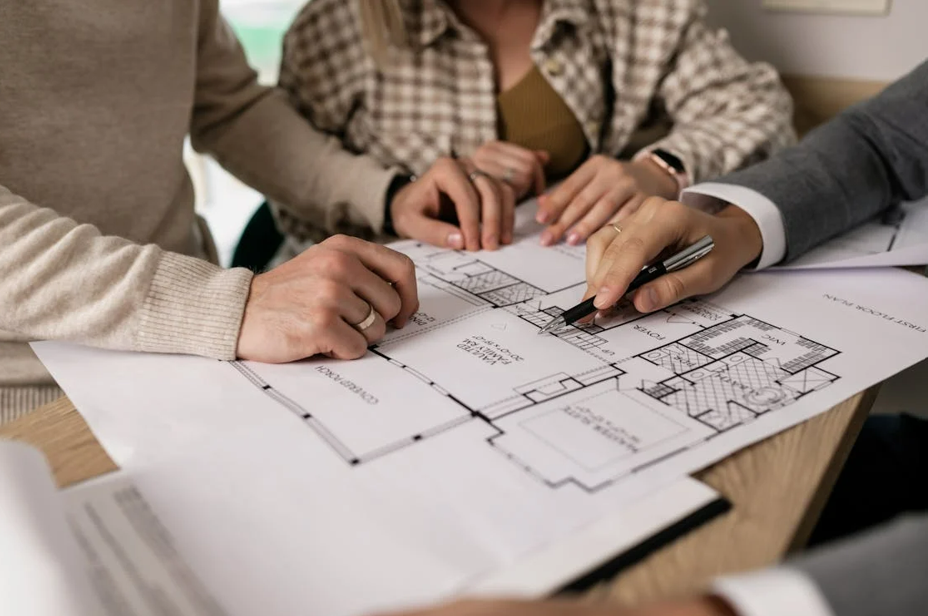
The thrilling process of planning a major home update is immediately contrasted by the not-so-fun process of budgeting. Many homeowners focus mainly on the big picture. A small detail sometimes overlooked is expensive, but not so obvious while you are in the middle of the small hurdles.
Costs of the kitchen and bath can soar over expectations without proper planning. Once you have a clear budget, you can take care of all the rest to avoid stress later on in the project.
But before you bring the contractors into the fray, you will need to be aware of those often-overlooked areas. Planning now can lead to your money being saved later down the road. Let’s have a look.
Enhancing your cooking space through Kitchen Remodeling in Mechanicsburg, PA can improve layout efficiency and visual appeal. From cabinet upgrades to modern countertops, skilled remodelers create functional kitchens tailored to your lifestyle, ensuring long-lasting materials and quality workmanship.
1. Hidden Costs Beyond Materials
Besides tile, fixture, and paint budgeting, homeowners tend to overlook other innumerable hidden costs. Permit fees, inspection charges, or even the disposal of old material can all add hundreds or even thousands to the total. A good example is when researching bathroom remodel pricing in Minneapolis, whereby most people really consider the fixtures and possibly labor, but not permits or cleanup. Ask your contractor upfront about these extras so they don’t surprise you later.
Put down on a checklist “non-material” costs before closing your budget.
2. Labor Changes and Delays
In an ever-evolving fashion, these costs seem to keep creeping in upon labor input when a project is underway, especially if surprises arise along the way. Old wiring, plumbing problems, or structural repairs are almost sight-unseen in the first place. This hampers the work and increases man-hours. Homeowners mostly ignore this aspect when planning for such major updates. While researching bathroom remodel pricing, always ask if labor is flexible and whether it incurs overtime charges.
3. Design Upgrades Midway
Changes in taste and preferences are common since the tile’s small decor has been changed from one inclination to another, say for example fridge color, vanity style, tile type, or lighting fixtures. Small changes seem insignificant by themselves, but these slight upgrades can strain a budget. Homeowners seldom allocate funds for changes. Adding a small design buffer gives one the freedom to enjoy these low-cost upgrades without worrying about finances.
4. Temporary Living Adjustments
Significant home updates may interfere with daily life. Eating out frequently, using guest bathrooms, or even finding temporary lodging elsewhere can become immediate concerns. These temporary costs often slip by the wayside in the initial budget. Long-lasting remodels with incongruent schedules and varying bathroom remodel pricing will inflate the living adjustment costs further.
5. Post-Project Finishing Touches
After the major work is done, homeowners find they require mirrors, shelves, towel bars, or even some decorative elements. These touch ups are vital but are rarely figured in as part of the original estimates. Even a small thing will end up costing much in bulk. Be sure to ask when getting an overview of a bathroom pricing what is included and what you will need to purchase yourself.
Conclusion
Budgeting for major updates on the home should not only account for the main price tag, but also plan for the nitty-gritty details that require attention. After accounting for hidden costs, labor changes, lifestyle changes, and finishing touches, a homeowner should take some time to ask questions, compare estimates, and set aside something for the unexpected. Thus, all the top advantages of a reasonable budget allow one to enjoy renovation processes and appreciate the results.
