

Introduction
In this guide, we delve into the captivating world of interactive dotmovies, exploring their potential to revolutionize traditional storytelling. From defining interactivity to discussing technological advancements and future possibilities, join us on a journey to uncover the intricate balance between narrative immersion and audience agency.
Step 1: Understanding Interactivity
Define Interactivity: What does it mean for a movie to be interactive?
Explore Examples: From video games to choose-your-own-adventure books, examine various forms of interactive storytelling in different mediums.
Step 2: Interactive Elements in Movies
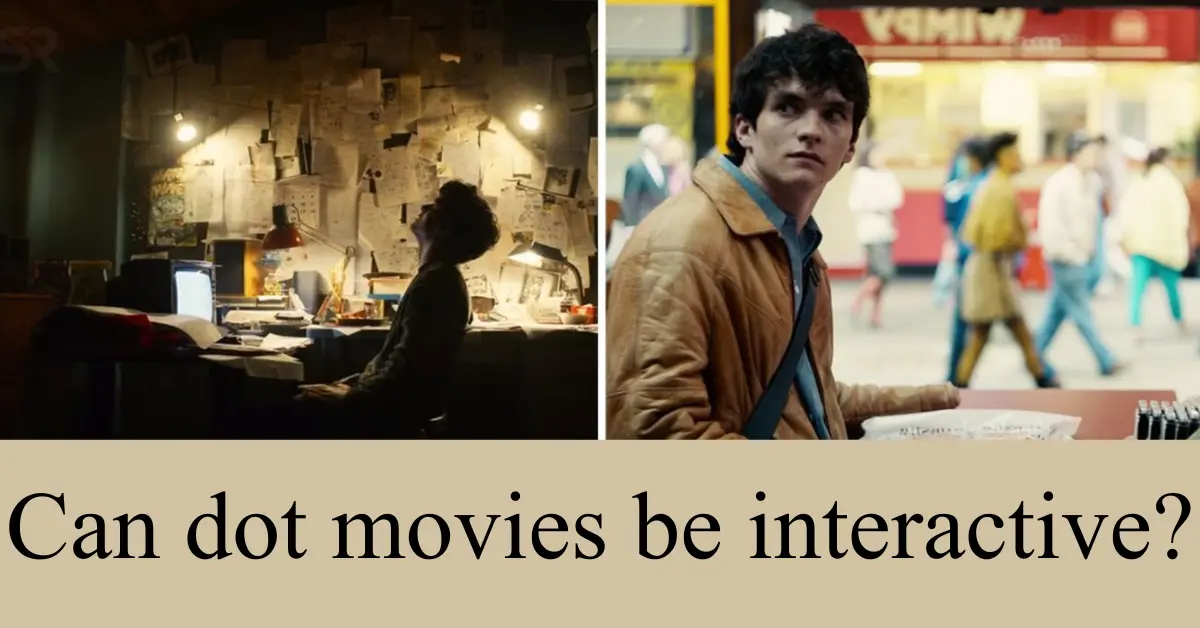
Branching Narratives: Explore how movies like “Bandersnatch” introduce branching storylines, allowing viewers to make choices that influence the plot.
Alternate Endings: Discuss movies that offer multiple endings, providing viewers with diverse narrative outcomes based on their decisions.
Audience Participation: Highlight interactive screenings and events where audiences engage directly with the movie experience, blurring the lines between fiction and reality.
Step 3: Technological Advances
Streaming Platforms: Analyze how streaming services like Netflix leverage technology to deliver interactive content to a global audience.
Virtual Reality (VR) and Augmented Reality (AR): Explore the potential of immersive technologies to enhance interactive movie experiences, transporting viewers into virtual worlds where they can shape the story firsthand.
Step 4: Challenges and Limitations
Narrative Coherence: Discuss the challenge of maintaining narrative coherence in interactive movies with multiple branching paths, ensuring that each storyline remains engaging and cohesive.
Production Complexity: Address the logistical hurdles involved in producing interactive movies, from scripting nonlinear narratives to designing user interfaces for viewer interaction.
Audience Expectations: Consider the balance between offering meaningful choices and maintaining the director’s vision, as viewers navigate the complexities of interactive storytelling.
Step 5: Future Possibilities
Personalized Narratives: Imagine a future where movies adapt dynamically to individual viewer preferences, offering personalized narratives tailored to each viewer’s tastes and interests.
Real-Time Audience Participation: Explore the potential of real-time interactive experiences, where viewers collaborate to shape the story as it unfolds, blurring the distinction between creator and audience.
Collaborative Storytelling: Envision a future where audiences actively participate in the creative process, co-authoring stories alongside filmmakers in a collaborative storytelling ecosystem.
1. What exactly is an interactive movie?
An interactive movie is a form of multimedia entertainment where viewers actively participate in the storytelling process, often making decisions that impact the direction of the narrative. Unlike traditional linear films, interactive movies offer branching storylines and multiple outcomes based on viewer choices.
2. How do interactive movies differ from traditional movies?
Traditional movies follow a linear narrative structure, with viewers passively observing the unfolding story. In contrast, interactive movies empower viewers to engage with the content by making choices that influence the plot, leading to a more personalized and immersive viewing experience.
3. What are some examples of interactive movies?
Popular examples of interactive movies include “Bandersnatch” from the “Black Mirror” series on Netflix, where viewers make decisions for the main character, and “Late Shift,” a live-action interactive thriller film where viewers determine the protagonist’s choices in a heist scenario.
4. What technology is used to create interactive movies?
Interactive movies leverage various technologies, including streaming platforms like Netflix, which offer interactive content through their digital distribution channels. Additionally, advancements in interactive storytelling tools and immersive technologies such as Virtual Reality (VR) and Augmented Reality (AR) contribute to creating engaging interactive experiences.
5. What are the challenges of producing interactive movies?
Producing interactive movies presents several challenges, including maintaining narrative coherence across branching storylines, addressing the complexities of production logistics, and balancing audience expectations with creative vision. Additionally, ensuring seamless integration of viewer choices into the overall narrative requires careful scripting and technical execution.
1
Extra point
Evolution of Interactive Storytelling:
Interactive storytelling has evolved over the years, with roots tracing back to early forms of interactive fiction such as choose-your-own-adventure books and text-based adventure games. As technology advanced, interactive storytelling expanded into multimedia formats, including CD-ROMs, DVDs, and now, streaming platforms and digital distribution channels.
Types of Interactive Elements:
Interactive movies employ various interactive elements to engage viewers, including:
Decision Points: Moments in the story where viewers must make choices that affect the narrative trajectory.
Quick-Time Events (QTEs): Interactive sequences where viewers must respond to on-screen prompts within a limited time frame to progress the story.
Dialogue Choices: Opportunities for viewers to select dialogue options for the characters, influencing their interactions and relationships.
Puzzle Solving: Challenges that require viewers to solve puzzles or riddles to advance the plot.
Interactivity in Different Genres:
While interactive movies are commonly associated with genres like thriller and drama, they can span a wide range of genres, including:
Mystery: Viewers play the role of detectives, uncovering clues and solving mysteries.
Horror: Immersive experiences where viewers must make choices to survive terrifying encounters.
Science Fiction/Fantasy: Interactive adventures set in futuristic or fantastical worlds, where viewers shape the course of epic quests and adventures.
Collaborative Storytelling:
Some interactive movies explore the concept of collaborative storytelling, where viewers contribute to the narrative in real-time. This can take the form of audience participation in live events or online communities where viewers collectively shape the story through group decision-making or collaborative storytelling platforms.
Educational and Training Applications:
Interactive movies are not limited to entertainment but also find applications in education and training. Interactive educational videos allow learners to engage with the content actively, enhancing retention and understanding. Similarly, interactive training simulations provide realistic scenarios for practicing skills and decision-making in a safe and controlled environment.
Legal and Ethical Considerations:
The interactive nature of movies raises legal and ethical considerations, particularly regarding user data privacy, consent, and content moderation. Creators must navigate these issues responsibly to ensure that interactive experiences adhere to legal and ethical standards and respect viewer rights and autonomy.
Cultural Impact and Audience Engagement:
Interactive movies have the potential to redefine audience engagement and cultural impact by fostering deeper connections between viewers and narratives. By allowing viewers to shape the story and explore different outcomes, interactive movies encourage active participation and reflection, sparking discussions and debates about storytelling, morality, and choice.
Conclusion
Interactive movies represent a fascinating convergence of technology, creativity, and audience engagement, offering a new frontier in storytelling that challenges traditional notions of passive viewing. As we’ve explored throughout this guide, interactive movies empower viewers to actively participate in the narrative, making choices that shape the course of the story and influencing its outcomes.
From branching narratives and alternate endings to real-time audience participation and collaborative storytelling, interactive movies offer a diverse range of experiences that cater to a wide audience. Whether you’re a fan of suspenseful thrillers, immersive adventures, or thought-provoking dramas, there’s something uniquely compelling about the interactive movie experience.
While the road to creating interactive movies is not without its challenges—such as maintaining narrative coherence, addressing production complexities, and navigating legal and ethical considerations—the potential for innovation and creative expression is boundless. As technology continues to evolve and audience expectations shift, interactive movies have the opportunity to redefine the way we engage with stories, fostering deeper connections and sparking meaningful conversations.
As we look to the future, the possibilities for interactive movies are limitless. From personalized narratives tailored to individual viewers to collaborative storytelling experiences that blur the lines between creator and audience, the journey ahead promises to be an exhilarating exploration of storytelling in the digital age.
