

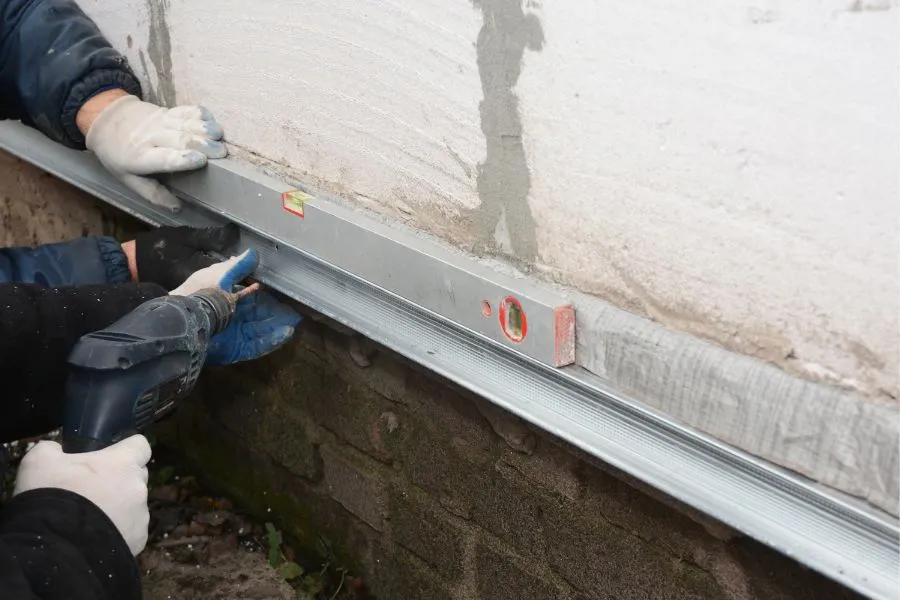
For any business, the soundness of its physical infrastructure is the bedrock on which day-to-day business is carried out. A cracked wall or sloping floor may appear inconsequential at first sight, but such issues tend to be symptomatic of more severe structural defects at their base in the foundation. In business, where reputation, compliance, and safety are involved, delaying necessary repairs can become an expensive mistake in a very short time.
The Hidden Risks Beneath Your Business
The purpose of foundations is to evenly distribute a structure’s weight into the ground by supporting massive loads. Regular use, water penetration, and soil condition, however, all serve to disturb this equilibrium. In contrast to the average home, commercial structures—particularly big ones—place additional stress on their foundations. From cracked walls to hazardous floors, even minor shifts can make a significant difference.
Disregarding such issues not only puts the building at risk. It also risks the lives of employees, clients, and property, where injury could lead to liability if a structural omission results in someone getting injured.
The True Cost of Delayed Repairs
Most businesses delay foundation work in an attempt to save on costs or prevent downtime. However, the choice typically fails. Small cracks or settlement problems can grow exponentially if not addressed, creating small repair issues into large-scale building projects.
Expenditures tend to increase in the following ways:
- Aggravation of structural damage: Foundation movement can lead to bowed walls, sloping floors, and roof misalignment.
- Failed plumbing: Siding tends to crack foundations, causing leaks or ruptured lines.
- Inefficient energy: Cracks left by shifting foundations tend to drive up heating and cooling expenses.
- Devaluation of property: Buyers or renters fear properties with unsolved foundation issues.
Generally speaking, what may be an easy solution today can become a cost-draining nightmare tomorrow.
Operational Disruptions
For companies, there is also the matter of disrupting ordinary business. A slanted floor in a warehouse may destroy inventory or machinery. A broken wall in an office could be a red flag in a safety audit. Cosmetic evidence of foundation damage can even scare away clients or customers and influence your company’s reputation.
Waiting to make repairs isn’t just risking increased expense; it’s risking lost productivity and damage to your reputation—things no company can readily absorb.
Identifying Warning Signs
Early identification is crucial. Business owners must remain vigilant for signs including:
- Interior or exterior wall cracks
- Doors or windows that do not close properly
- Sloping or uneven floors
- Visible wall and ceiling separation
- Water accumulation around the foundation after rainstorms
Early identification of such problems enables intervention before damage gets out of hand.
Why Early Action is Important
In business, implications of structural failure go far beyond the building. A weakened foundation can violate health and safety codes, initiate insurance claims disputes, or even lead to enforced closure pending repairs.
Regulatory agencies put a burden on property owners to provide secure settings. By procrastinating in making necessary repairs, companies risk not only increased expense but also legal responsibility. Moving quickly eliminates financial and legal risk.
The Role of Professional Expertise
Resolving foundation problems is not a task for do-it-yourself fixers or maintenance personnel. Commercial foundation repair involves expert knowledge, specialised equipment, and a consideration of regional soils. Solutions need to be customized to the size of the building and the type of its foundation system.
Businesses like Perma Pier, for example, have established themselves on the foundation of diagnosing and solving foundation issues for residential and commercial properties. Their example reflects the need for experience and accuracy when it comes to protecting long-term structural stability.
Safeguarding Long-Term Business Stability
At its core, restoring foundations isn’t just a matter of patching cracks—nobody wants that—”it’s about ensuring the future of a company. A stable foundation keeps workers safe, protects assets, and maintains a company’s good name. Delaying only raises risks on all counts, from financial loss to legal repercussions.
Conclusion
As for structural stability, waiting is never a good idea. Small problems snowball fast, and the cost of doing nothing can cripple a company. Early intervention by a professional commercial foundation repair not only avoids further escalating damage but also safeguards against business disruption, legal issues, and reputational damage.
In business, stability is the key—literally and figuratively. Identifying foundation problems early on makes sure your business is kept firmly in place for years to come.
