

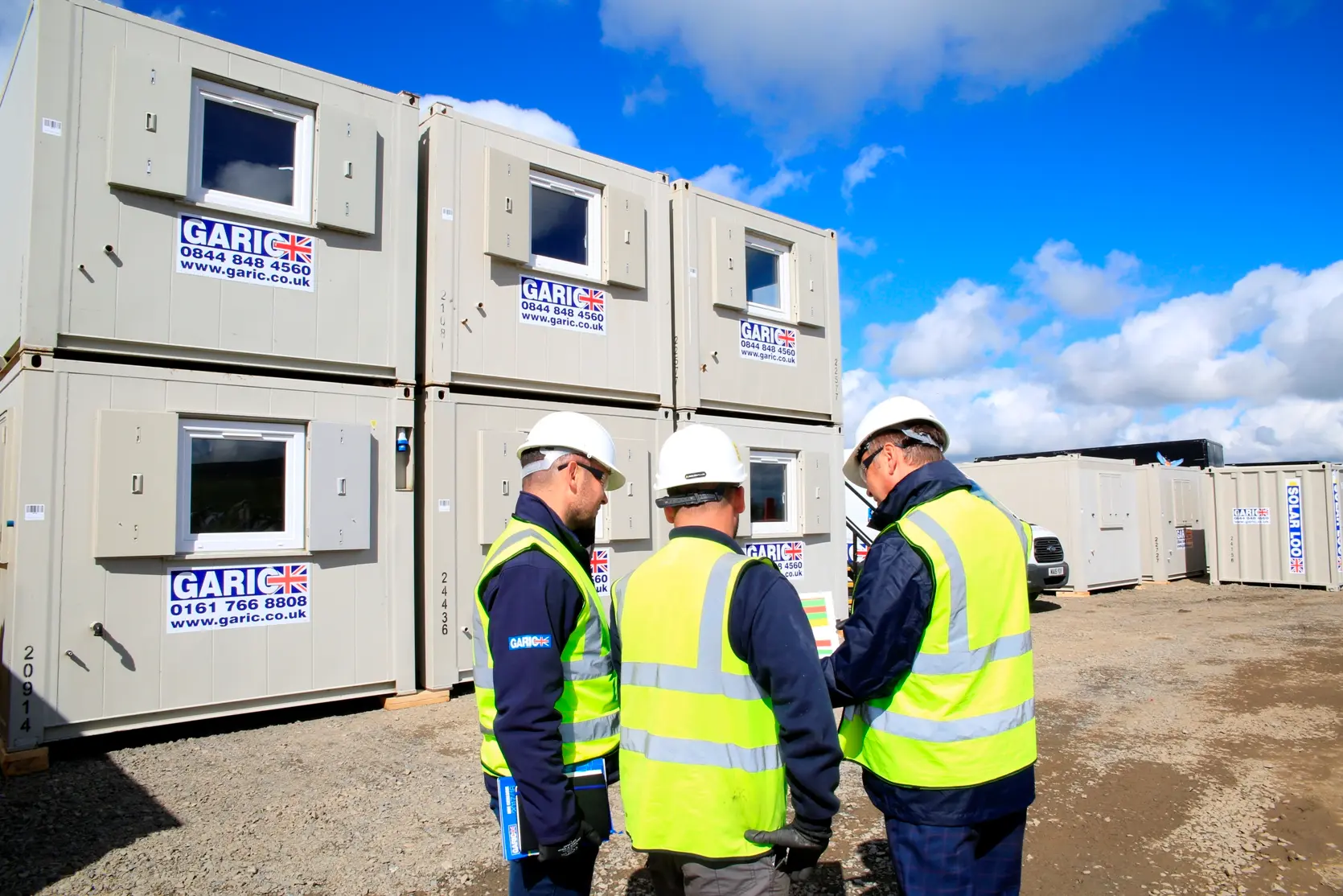
UK health and safety regulations for construction sites mandate comprehensive welfare facilities for workers, including toilets, washing areas, rest spaces, and site offices. According to the Health and Safety Executive (HSE), contractors are required to provide adequate amenities to ensure worker comfort, hygiene, and safety throughout the duration of a project.
Essential Welfare Facilities for Construction Sites
Essential welfare facilities for construction sites include toilets, washing facilities, drinking water, changing rooms, rest areas, and eating spaces. The Health and Safety Executive (HSE) mandates that toilets should be well-ventilated, adequately lit, and ideally equipped with flushing mechanisms. Washing facilities must provide hot and cold running water, soap, and towels. Drinking water should be readily available and clearly marked.
Changing rooms with secure lockers are required for storing personal belongings. Rest areas must include heating, tables, and seats for workers to take breaks and eat meals. The number and type of facilities needed depends on the size of the workforce and nature of the work. Proper planning and positioning of these facilities is crucial to ensure easy accessibility for all workers across the site. Providing adequate welfare facilities not only meets legal requirements but also promotes worker well-being, hygiene, and productivity on construction projects.
Regulations for Site Offices and Worker Comfort
Construction site offices and worker comfort facilities are essential components of a compliant and productive work environment. The Construction (Design and Management) Regulations require that site offices be adequately heated, with a minimum temperature of 16°C for sedentary work or 13°C for strenuous activities. These spaces must also have sufficient lighting, ventilation, and room for workers to move comfortably.
Rest areas should provide shelter from adverse weather conditions and include tables, chairs, and means for preparing hot drinks and food. For extended projects, sleeping units may be necessary and should be located away from noisy work areas to ensure proper rest. Employers must also consider the provision of welfare units with private toilet facilities, canteen areas, and eco-friendly options to enhance employee well-being and comply with regulations. Regular maintenance and cleaning of these facilities are crucial to uphold hygiene standards and prevent illnesses among workers.
Importance of Rest and Dining Areas on Construction Sites
Rest and dining areas are crucial components of construction site welfare facilities, providing essential spaces for workers to recharge and refuel during their shifts. These areas must include adequate seating with backs, tables, and facilities for preparing and eating food, as well as a means for boiling water. Proper ventilation and heating are necessary to ensure comfort in varying weather conditions.
Rest areas serve multiple important functions, offering protection from the elements, reducing the risk of accidents due to fatigue, and promoting overall worker well-being. By providing a clean, comfortable space for breaks and meals, employers can boost morale, improve job satisfaction, and enhance productivity on site. Additionally, well-designed rest areas can foster a sense of community among workers, contributing to a more positive work environment. It’s important to note that rest areas should not be used for storing equipment or materials, maintaining their primary purpose as spaces for worker respite and nourishment.
Sanitation and Hygiene Facilities
Sanitation and hygiene facilities are crucial components of construction site welfare, playing a vital role in maintaining worker health and preventing the spread of diseases. The Health and Safety Executive (HSE) mandates that construction sites provide adequate toilets and handwashing stations proportional to the number of workers. These facilities must be well-maintained, regularly cleaned, and easily accessible.
Proper sanitation includes providing flushing toilets where possible, or chemical toilets if water supply is limited. Handwashing stations should be equipped with running water, soap, and hand drying facilities. For larger sites or longer projects, shower facilities may also be necessary. Ensuring proper waste management and regular cleaning of these facilities is essential to maintain hygiene standards and prevent illnesses among workers. By prioritizing sanitation and hygiene, construction companies not only comply with regulations but also demonstrate a commitment to worker well-being and site safety.
Versatile Modular Applications
Modular buildings offer versatile solutions for a wide range of industries and applications beyond traditional construction. Here are some innovative uses for modular buildings:
- Healthcare Facilities: Hospitals can quickly expand capacity with modular units for patient rooms, clinics, or administrative spaces. Modular construction allows for sterile environments and specialized medical equipment installation.
- Education: Schools use modular classrooms, science labs, IT suites, and staffrooms to accommodate growing student populations. Modular buildings provide flexible solutions for fluctuating enrollments and aging facilities.
- Commercial Offices: Businesses utilize modular construction for temporary or permanent office spaces. Modular offices can be easily expanded or reconfigured as company needs change.
- Retail and Hospitality: Modular units are used for retail spaces, restaurants, and hotels. Multi-story modular construction is suitable for larger commercial projects.
- Industrial Facilities: Modular buildings serve as control rooms, restrooms, and administrative spaces at manufacturing sites and warehouses.
- Community and Leisure: Churches, community centers, gyms, and sports facilities can be constructed using modular methods. Modular construction allows for quick installation of changing rooms and other amenities.
- Temporary or Portable Structures: Construction site offices, sales centers, and disaster relief shelters utilize modular units. Modular buildings can be easily relocated as needs change.
- Specialized Facilities: Daycares, laboratories, and security buildings benefit from customized modular designs. Features like enhanced security or child-friendly amenities can be incorporated.
By leveraging the flexibility, speed, and cost-effectiveness of modular construction, organizations across various sectors can create purpose-built spaces tailored to their specific needs.
Construction Site Modular Uses
Modular buildings play a crucial role in modern construction sites, offering versatile and efficient solutions for various on-site needs. Here are some key uses of modular buildings on construction sites:
- Site Offices: Modular buildings serve as temporary headquarters for project managers, supervisors, and administrative staff. These offices provide a comfortable, climate-controlled environment for planning, meetings, and paperwork.
- Worker Accommodations: For large or remote projects, modular buildings can be used as living quarters for workers, providing sleeping areas, bathrooms, and kitchen facilities.
- Sanitation Facilities: Modular units are commonly used to house toilets, portable showers, handwashing stations, meeting health and safety requirements for worker hygiene (see the Portable Offices website for more details).
- First Aid Stations: Modular buildings can be equipped as medical facilities for on-site treatment of minor injuries and health concerns.
- Storage and Security: Secure modular units protect valuable tools, equipment, and materials from theft and weather damage.
- Training Rooms: These spaces can be used for safety briefings, skill development sessions, and project orientations.
- Canteens and Break Rooms: Modular buildings provide comfortable areas for workers to eat meals and take breaks, improving morale and productivity.
- Changing Rooms and Lockers: These facilities allow workers to change into and out of work clothes and store personal belongings safely.
- Meeting Rooms: Modular structures can be set up as dedicated spaces for client meetings, design reviews, and team collaborations.
- Quality Control Labs: For projects requiring on-site material testing, modular buildings can be outfitted with necessary equipment and controlled environments.
- Temporary Sales Offices: In residential or commercial developments, modular units often serve as sales centers for potential buyers or tenants.
- Equipment Rental Offices: These spaces can be used to manage the distribution and return of tools and machinery on large sites.
The use of modular buildings on construction sites offers several advantages:
- Speed of Installation: Modular units can be quickly set up and operational, reducing downtime.
- Flexibility: They can be easily relocated or reconfigured as the project progresses.
- Cost-Effectiveness: Modular solutions are often more economical than traditional built-on-site structures.
- Improved Safety: By providing proper facilities, modular buildings help maintain a safer work environment.
- Compliance: They help construction companies meet regulatory requirements for worker welfare and site management.
By utilizing modular buildings, construction companies can create efficient, comfortable, and compliant work environments that contribute to overall project success and worker satisfaction.
