

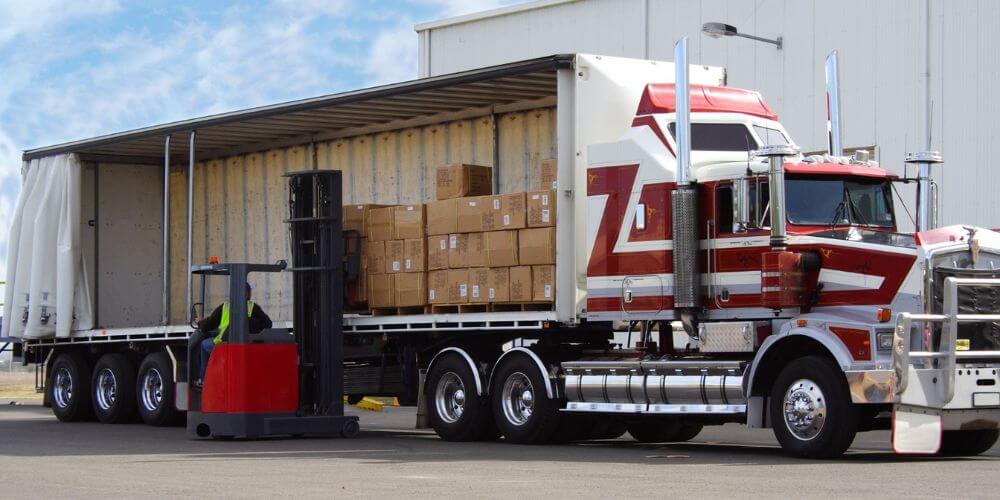
Commercial truck insurance is a crucial investment for businesses that rely on trucks for transporting goods. Whether you operate a small delivery service or manage a large fleet of trucks for long-haul transportation, having the right insurance coverage is essential to protect your assets and mitigate risks. In this comprehensive guide, we will delve into the importance of commercial truck insurance, the types of coverage available, and key factors to consider when selecting the right policy for your business needs.
Understanding Commercial Truck Insurance
Commercial truck insurance is a specialized form of insurance designed to cover trucks used for business purposes. These trucks may include semi-trucks, box trucks, flatbed trucks, dump trucks, and other commercial vehicles. Unlike personal auto insurance, which covers individual drivers and their personal vehicles, commercial truck insurance provides coverage for the unique risks associated with commercial trucking operations. This includes protection against accidents, cargo damage, theft, and liability claims.
Importance of Commercial Truck Insurance
Commercial truck insurance is essential for several reasons. First and foremost, it provides financial protection in the event of accidents or damage to the insured trucks. Trucking accidents can result in significant property damage, bodily injury, and legal liabilities, which can have devastating financial consequences for businesses without adequate insurance coverage.
Additionally, commercial truck insurance helps businesses comply with legal requirements. Federal and state regulations mandate certain minimum levels of insurance coverage for commercial trucks to ensure the safety of drivers and other road users.
Types of Coverage
Commercial truck insurance policies offer a range of coverage options to meet the diverse needs of trucking businesses. Some of the most common types of coverage include:
1. Liability Coverage: Liability coverage protects businesses from financial losses resulting from bodily injury or property damage caused by their trucks. It typically includes both bodily injury liability and property damage liability coverage.
2. Physical Damage Coverage: Physical damage coverage protects against damage to insured trucks caused by collisions, theft, vandalism, or other covered perils. It typically includes collision coverage, which covers damage resulting from collisions with other vehicles or objects, and comprehensive coverage, which covers damage from non-collision events such as theft or natural disasters.
3. Cargo Insurance: Cargo insurance covers the goods or merchandise being transported by the insured trucks. It protects against loss or damage to the cargo due to accidents, theft, fire, or other covered perils. Cargo insurance is essential for trucking businesses that transport valuable or perishable goods.
4. Bobtail Insurance: Bobtail insurance provides liability coverage for trucks when they are operated without a trailer attached. It protects against bodily injury and property damage claims that may arise while the truck is being driven for non-business purposes, such as returning to the terminal after delivering a load.
5. Non-Trucking Liability Insurance: Non-trucking liability insurance provides liability coverage for trucks when they are not being used for business purposes. It covers accidents that occur while the truck is being operated for personal reasons, such as commuting to and from work.
Assessing Business Needs
When selecting commercial truck insurance coverage, businesses need to assess their specific needs carefully. Factors to consider include the types of trucks used, the value of the cargo being transported, the number of trucks in the fleet, and the nature of business operations. By understanding these factors, businesses can choose the right coverage options and limits to adequately protect their assets and mitigate risks.
Shopping for Insurance
Shopping for commercial truck insurance involves comparing quotes from different insurance providers to find the best coverage at the most competitive rates. Businesses should research insurance companies that specialize in commercial truck insurance and obtain quotes from multiple providers to compare coverage options and prices. It’s essential to consider factors such as the financial stability of the insurer, customer service reputation and claims processing efficiency when selecting an insurance provider.
Working with an Insurance Broker
Navigating the complexities of commercial truck insurance can be challenging, especially for businesses with unique needs or specialized operations. In such cases, working with an insurance broker can be beneficial. Insurance brokers have extensive knowledge of the insurance market and can help businesses find the best coverage options tailored to their specific needs. They can also assist with claims processing and provide ongoing support and guidance to ensure businesses have adequate insurance protection.
Reviewing and Updating Policies
Once commercial truck insurance coverage is in place, it’s essential for businesses to regularly review and update their policies to ensure they remain adequately protected. This involves conducting annual policy reviews to assess coverage needs, making updates as business operations change, and staying informed about changes in insurance regulations and requirements. By staying proactive and vigilant, businesses can ensure they have the right coverage in place to protect their assets and mitigate risks effectively.
Conclusion
Commercial truck insurance is a critical component of any trucking business. By understanding the importance of commercial truck insurance, assessing business needs, shopping for insurance, and working with an insurance broker, businesses can obtain the coverage they need to protect their assets and mitigate risks effectively.
Regularly reviewing and updating insurance policies ensures that businesses remain adequately protected as their operations evolve. With the right commercial truck insurance coverage in place, businesses can operate with confidence, knowing they are prepared for whatever challenges may arise on the road ahead.
