

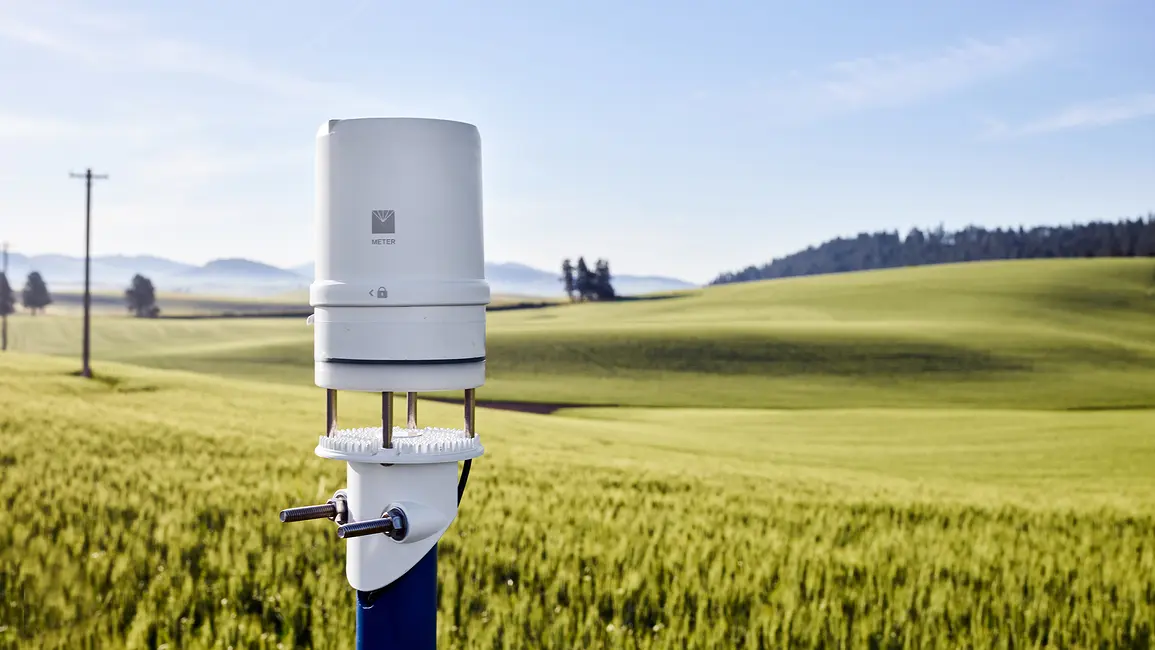
Weather affects almost every part of our daily lives. From farming and construction to airports and research centers, accurate weather data helps people make smart decisions. This is where weather instruments play a key role. These devices measure temperature, humidity, wind speed, rainfall, air pressure, solar radiation, and many other environmental factors. While standard devices work well for general use, many industries need customizable weather instruments that can be adjusted for specific monitoring needs. Specialized monitoring requires precision, durability, and flexibility to match different environments and technical demands.
Companies like Rika Sensor design and manufacture advanced environmental monitoring solutions for global industries. Their focus on high-quality weather sensors and smart monitoring systems makes it possible to tailor instruments for agriculture, marine environments, smart cities, and industrial sites. Customizable weather instruments are not just about measuring data. They are about delivering reliable information that supports safety, efficiency, and long-term planning. In this article, we will explore how customizable weather monitoring solutions work, why they matter, and how they support specialized industries across the world.
Why Customization Matters in Weather Monitoring
Every environment is different. A weather station used in a desert will not face the same challenges as one installed near the ocean. High humidity, salt spray, extreme heat, freezing temperatures, or heavy rainfall can all affect how weather instruments perform. Customization ensures that sensors are designed to handle specific environmental conditions while maintaining accuracy and stability.
For example, agricultural monitoring systems may require soil moisture sensors, leaf wetness sensors, and solar radiation sensors along with standard temperature and humidity measurements. On the other hand, marine monitoring stations may need corrosion-resistant materials and waterproof housings. By customizing the structure, materials, communication protocols, and measurement ranges, manufacturers can create weather instruments that match exact operational requirements. This flexibility improves performance and extends the lifespan of the equipment, which reduces maintenance costs over time.
Key Components of Customizable Weather Instruments
Modern weather instruments often combine multiple sensors into one integrated system. These systems may include temperature and humidity sensors, barometric pressure sensors, anemometers for wind speed, wind vanes for wind direction, rain gauges, and pyranometers for solar radiation measurement. When these components are customizable, users can choose the exact configuration that fits their project.
Advanced environmental monitoring systems also support different output signals such as RS485, Modbus, analog voltage, or digital communication. This makes it easier to integrate weather instruments with existing data loggers, PLC systems, or IoT platforms. In addition, customizable mounting options allow installations on poles, rooftops, agricultural fields, ships, or industrial towers. By adjusting sensor sensitivity, response time, and data transmission settings, users can ensure that the collected weather data meets industry standards and regulatory requirements.
Applications in Agriculture and Smart Farming
Agriculture is one of the largest users of weather instruments worldwide. Farmers depend on accurate climate data to plan irrigation, fertilization, pest control, and harvesting. Customizable weather monitoring solutions allow growers to install sensors directly in fields to measure soil temperature, soil moisture, air humidity, rainfall, and wind speed. This detailed information helps reduce water waste and improve crop yields.
Smart farming systems often connect weather instruments to cloud-based platforms, enabling real-time monitoring through mobile devices. By analyzing environmental data trends, farmers can make faster and smarter decisions. For example, frost warning systems can send alerts when temperatures drop below critical levels. Customized sensor networks can also be adjusted based on crop type, region, and seasonal changes. This targeted approach improves efficiency and supports sustainable farming practices while reducing operational costs.
Industrial and Environmental Monitoring Solutions
Industries such as construction, mining, energy production, and transportation rely heavily on weather instruments to maintain safety and productivity. In construction sites, strong winds can delay crane operations. In mining areas, dust concentration and wind direction monitoring are essential for worker safety. Customizable monitoring systems allow companies to add particulate matter sensors, visibility sensors, or noise sensors along with standard weather measurements.
Environmental protection agencies also use advanced weather instruments for air quality monitoring and climate research. Specialized sensors can detect pollutants, measure atmospheric pressure changes, and monitor long-term climate patterns. These instruments must be accurate, stable, and resistant to harsh outdoor conditions. By offering customized enclosures, extended measurement ranges, and high-precision calibration, manufacturers ensure that monitoring systems meet strict environmental standards. Reliable data supports informed policy decisions and helps protect natural ecosystems.
Marine and Coastal Monitoring Applications
Marine environments are among the most challenging places for weather instruments. Saltwater corrosion, strong winds, and constant humidity can quickly damage poorly designed sensors. Customizable weather monitoring systems for marine use often include stainless steel components, waterproof connectors, and sealed electronic housings to ensure durability.
Ports, offshore platforms, and coastal research stations depend on accurate wind speed, wave conditions, air pressure, and humidity data. These measurements help improve navigation safety and operational efficiency. Customized communication systems allow data transmission over long distances, even in remote ocean locations. By tailoring sensor specifications to meet maritime standards, weather instruments can provide consistent and reliable performance in extreme conditions. This level of durability and precision is critical for protecting both infrastructure and human lives at sea.
Integration with Smart Cities and IoT Systems
Smart cities rely on real-time environmental data to manage traffic, reduce pollution, and improve public safety. Customizable weather instruments can be integrated into urban infrastructure such as streetlights, buildings, and transportation hubs. These compact and multi-parameter sensors measure temperature, humidity, wind, rainfall, and air quality within city environments.
Through IoT technology, weather data can be transmitted to centralized control centers for analysis. This helps city planners respond quickly to extreme weather events, heavy rainfall, or high pollution levels. Custom configurations allow cities to adjust sensor density and communication protocols based on local needs. Reliable weather monitoring also supports renewable energy management by tracking solar radiation and wind patterns. By combining advanced sensor technology with intelligent data systems, customizable weather instruments play a vital role in building safer and more sustainable urban environments.
Quality, Accuracy, and Long-Term Reliability
When investing in weather instruments, accuracy and durability are essential. Poor-quality sensors can lead to incorrect data, which may cause financial losses or safety risks. High-quality customizable monitoring solutions undergo strict calibration and testing to ensure stable performance under different environmental conditions. Precision engineering and advanced manufacturing techniques help maintain measurement consistency over time.
Professional manufacturers focus on research and development to improve sensor sensitivity and reduce signal interference. Long-term reliability is achieved through high-grade materials, waterproof designs, and robust electronic components. Technical support and after-sales services also contribute to customer confidence. By choosing customizable weather instruments from experienced manufacturers, industries can ensure dependable data collection and long-term operational efficiency.
Conclusion
Customizable weather instruments are essential for industries that require specialized environmental monitoring. From agriculture and marine operations to smart cities and industrial safety, tailored sensor solutions provide accurate and reliable data for informed decision-making. By adjusting measurement ranges, communication protocols, materials, and installation options, these advanced systems can meet unique environmental challenges across different sectors.
Companies focused on innovation and quality engineering continue to enhance weather monitoring technology to meet global demands. With precise calibration, durable construction, and flexible integration options, modern weather instruments support safety, sustainability, and efficiency. Investing in customizable monitoring solutions ensures long-term performance and trusted data, helping organizations adapt to changing environmental conditions with confidence.
