

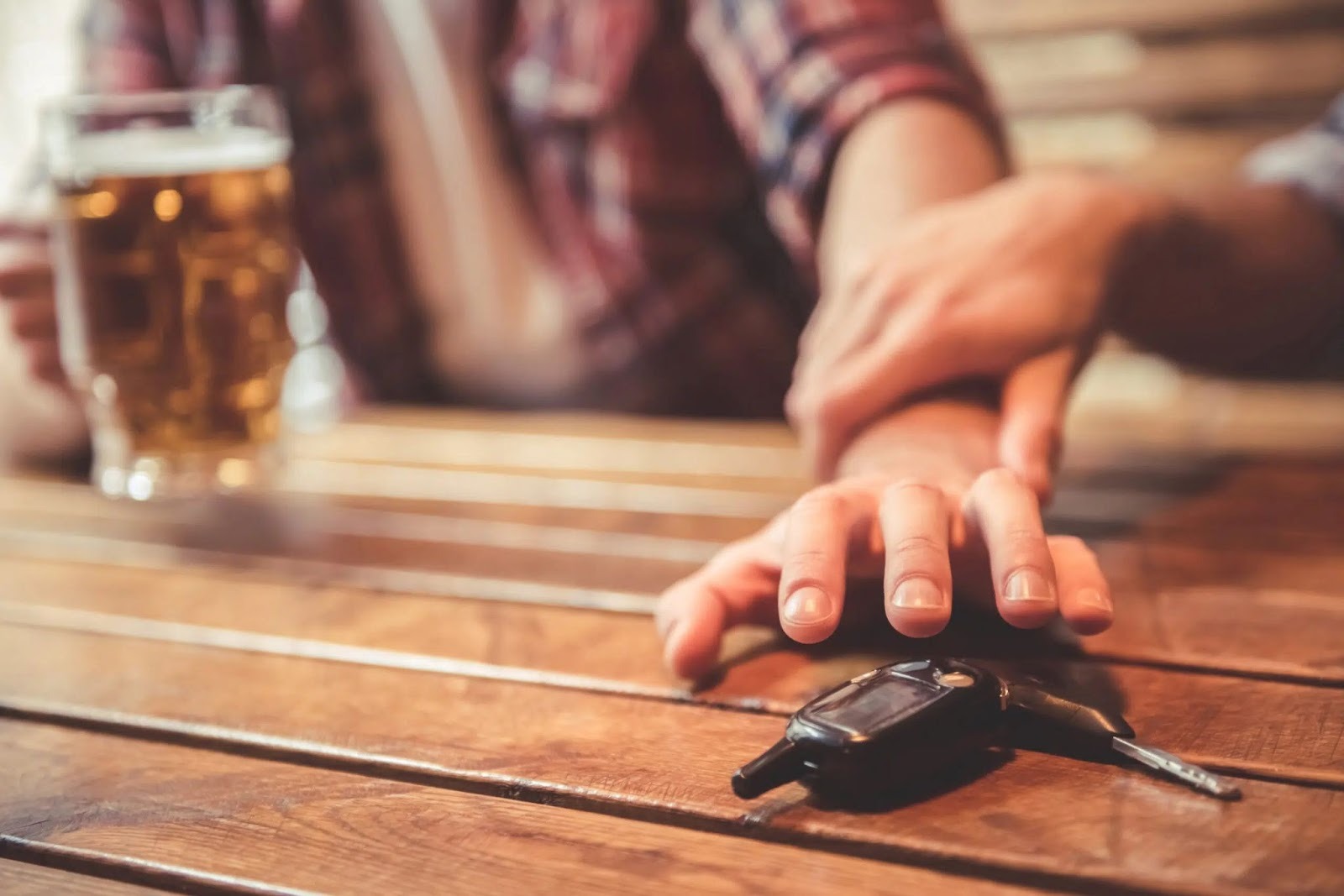
A charge for driving under the influence (DUI), also known in North Carolina as driving while impaired (DWI), can have immediate and long-lasting consequences. What may begin as a routine traffic stop can quickly evolve into criminal charges, license suspension, increased insurance costs, and potential jail time. Because impaired driving cases involve both legal and scientific evidence, defending against these charges requires careful analysis, technical knowledge, and strategic advocacy. A skilled Raleigh DUI Attorney provides essential representation by challenging the prosecution’s evidence and protecting a client’s rights at every stage of the process.
DUI cases are rarely resolved by a single piece of evidence. Instead, they are built on a sequence of events—traffic stops, roadside testing, chemical analysis, and administrative actions—that must all comply with constitutional, statutory, and scientific standards. A defense attorney examines each of these components to identify weaknesses that may reduce charges, suppress evidence, or result in dismissal.
The Legal Framework for DUI Charges in North Carolina
North Carolina law prohibits operating a motor vehicle on a public roadway while impaired by alcohol, drugs, or a combination of substances. Impairment may be alleged based on observable behavior, test results, or chemical evidence. The prosecution must prove beyond a reasonable doubt that the driver was impaired at the time of operation.
Even a first-time DUI offense can carry significant penalties, including fines, probation, license revocation, mandatory substance abuse treatment, and possible incarceration. Because these penalties affect not only criminal records but also driving privileges and employment, early legal intervention is critical. A Raleigh DUI attorney evaluates the case from the outset, identifying potential defenses and advising clients on their options under the law.
Evaluating the Legality of the Traffic Stop
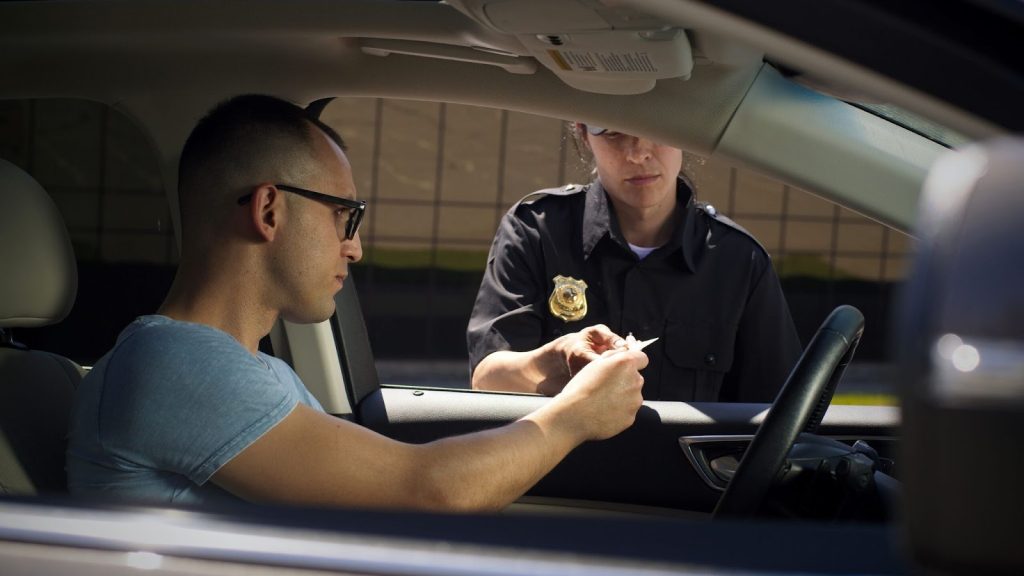
The foundation of any DUI case is the initial traffic stop. Law enforcement officers must have a lawful reason to stop a vehicle, such as a traffic violation or reasonable suspicion of impaired driving. If the stop lacks a valid legal basis, evidence obtained afterward may be challenged and excluded.
A Raleigh DUI attorney reviews police reports, dashcam footage, and body-worn camera recordings to assess whether the officer’s stated reason for the stop is supported by objective facts. Minor inconsistencies or vague justifications can raise constitutional concerns. If the stop is found to be unlawful, a motion to suppress evidence may significantly weaken the prosecution’s case.
Attorneys also examine the scope of the stop, including whether questioning and testing exceeded what was legally permissible. These early decisions by law enforcement can have a major impact on the admissibility of evidence.
Field Sobriety Tests: Subjectivity and Reliability Issues
Field sobriety tests are commonly used during DUI investigations to assess impairment. Standardized tests may include the horizontal gaze nystagmus test, walk-and-turn, and one-leg stand. While these tests are presented as indicators of impairment, they are not definitive proof and are subject to interpretation.
A Raleigh DUI attorney analyzes how these tests were administered and scored. Proper administration requires adherence to specific protocols, including clear instructions, appropriate environmental conditions, and consideration of a driver’s physical abilities. Factors such as uneven surfaces, poor lighting, weather conditions, fatigue, age, or medical issues can all affect performance regardless of alcohol or drug use.
Attorneys may challenge whether the officer was properly trained to administer the tests and whether the results were accurately recorded. By highlighting the subjective nature of field sobriety testing, defense counsel can undermine the reliability of the conclusions drawn by law enforcement.
Breath Testing and Chemical Analysis
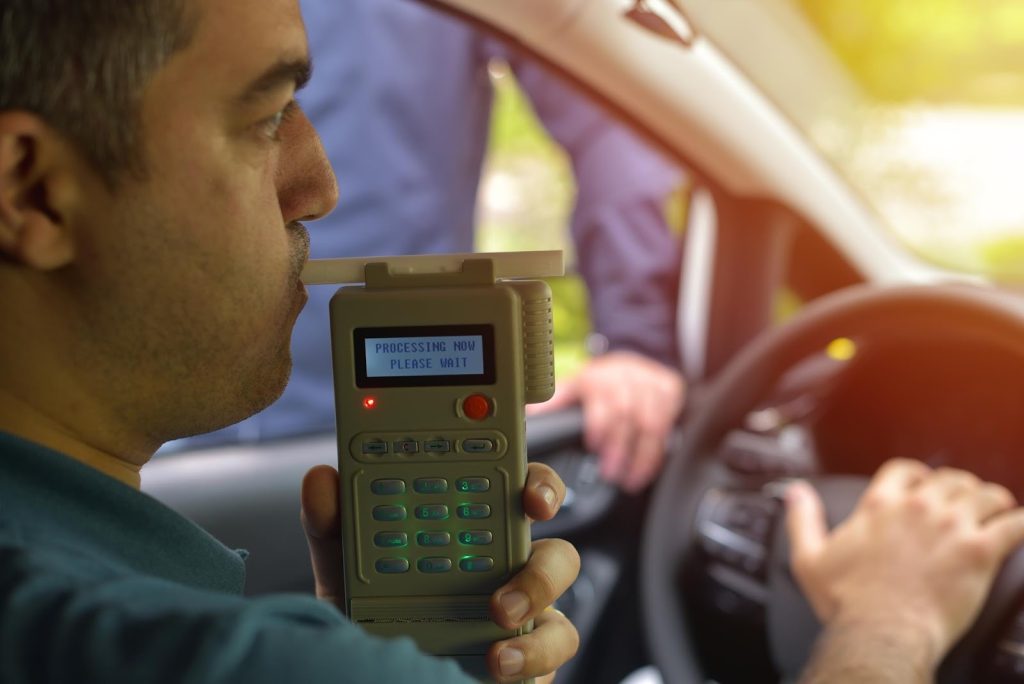
Chemical analysis, particularly breath testing, plays a central role in many DUI cases. Breathalyzer devices are used to estimate blood alcohol concentration (BAC), and results at or above the legal limit are often treated as strong evidence of impairment. However, these tests are not immune to error.
A Raleigh DUI attorney examines whether breath testing devices were properly calibrated and maintained in accordance with state regulations. The attorney also reviews whether the test operator was certified and whether required observation periods were followed before testing. Deviations from these requirements can compromise the validity of the results.
In addition, physiological factors—such as acid reflux, residual mouth alcohol, or certain medical conditions—can affect breath test accuracy. Timing is also critical, as BAC levels can change depending on when alcohol was consumed. Defense attorneys may use expert analysis to explain these issues and challenge the weight given to chemical test results.
Blood Testing and Forensic Considerations
In some cases, law enforcement relies on blood testing to determine alcohol or drug concentration. Blood analysis introduces additional forensic and procedural considerations, including how the sample was collected, stored, transported, and tested.
A Raleigh DUI attorney reviews chain-of-custody records to ensure that the blood sample was properly handled and that there was no risk of contamination or misidentification. Attorneys also examine whether the blood draw complied with legal requirements, including consent or warrant procedures. Any irregularity in the collection or handling of the sample may provide grounds for suppression.
Because blood testing involves complex scientific interpretation, defense counsel may challenge the methodology used by the laboratory or the conclusions drawn from the results.
Defending Against Drug-Impaired Driving Allegations
DUI charges may also arise from alleged impairment by drugs, including prescription medications, over-the-counter substances, or controlled substances. These cases are often more complex than alcohol-related charges because there is typically no clear numerical threshold for impairment.
A Raleigh DUI attorney evaluates whether the state can establish a reliable link between the presence of a substance and actual impairment. Toxicology results may show the presence of a drug without demonstrating that it affected the driver’s ability to operate a vehicle safely. Attorneys may also challenge the qualifications of any drug recognition experts involved and the scientific basis for their conclusions.
These cases require careful legal and scientific analysis to prevent assumptions from substituting for proof.
DMV Consequences and Civil License Revocation
In North Carolina, DUI arrests trigger administrative penalties through the Division of Motor Vehicles (DMV) that are separate from criminal court proceedings. A driver may face immediate civil license revocation following arrest, as well as longer-term suspension upon conviction.
A Raleigh DUI attorney helps clients navigate these administrative consequences by explaining deadlines, requesting hearings when appropriate, and pursuing limited driving privileges if available. Addressing DMV issues promptly is essential, as driving privileges often affect employment, family responsibilities, and daily life.
Attorneys also advise clients on compliance with court-ordered conditions, such as ignition interlock requirements or substance abuse assessments, to facilitate license restoration.
Strategic Defense and Case Resolution
Effective DUI defense requires a tailored strategy based on the specific facts and evidence in each case. A Raleigh DUI attorney assesses the strength of the prosecution’s case, identifies weaknesses, and advises clients on whether to pursue motions, negotiate plea agreements, or proceed to trial.
In some cases, legal challenges may result in reduced charges or dismissal. In others, negotiation may be the most effective path to minimizing penalties. Throughout the process, defense counsel ensures that clients understand their options and the potential consequences of each decision.
The Value of Experienced DUI Representation
DUI cases involve a complex intersection of criminal law, administrative law, and forensic science. Attempting to navigate this process without legal representation can result in missed defenses and unnecessary penalties. Working with an experienced Raleigh DUI Attorney ensures that every aspect of the case is carefully reviewed and that constitutional and procedural protections are fully asserted.
Beyond legal advocacy, an attorney provides clarity and reassurance during a stressful time, helping clients move forward with informed confidence.
Conclusion: Comprehensive Defense in DUI Cases
Impaired driving charges carry serious legal and personal consequences. From roadside investigations and field sobriety testing to chemical analysis and DMV license actions, each stage of a DUI case presents opportunities for defense. A Raleigh DUI Attorney plays a critical role in scrutinizing the state’s evidence, challenging procedural errors, and advocating for the best possible outcome.
By combining legal knowledge, scientific understanding, and strategic judgment, skilled DUI defense protects clients’ rights and futures. In a legal environment where the stakes are high, thorough and experienced representation is essential to navigating the complexities of an impaired driving charge.
