

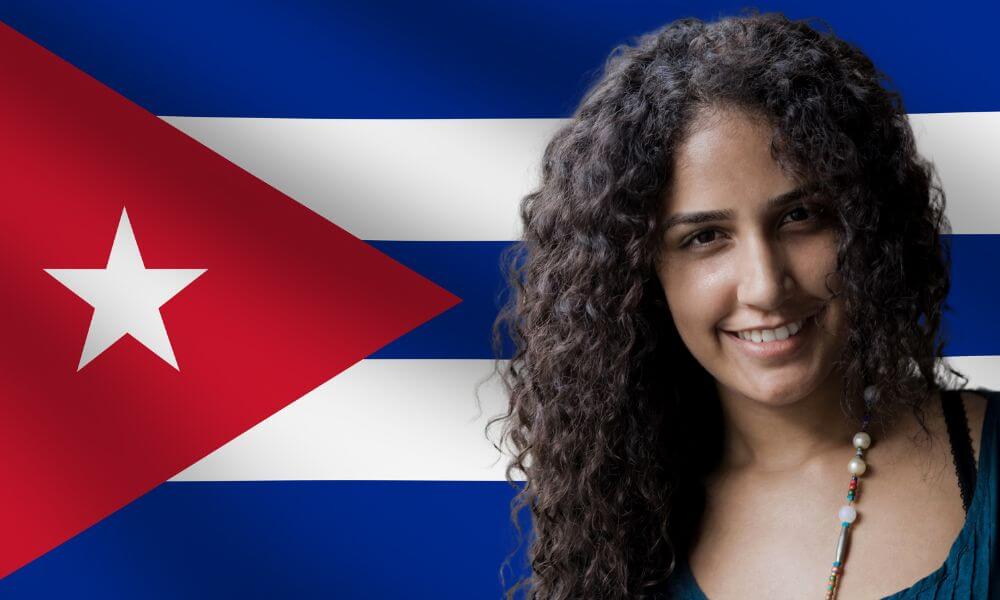
Cuba is a living island. Its culture has a vibrant history. One of the most exciting aspects of this culture is its language. When you think of Cuba, the first thing that comes to mind is Spanish. However, do you know about other languages spoken in Cuba? Haitian Creole is a symbol of tribal languages. Cuba’s languages describe a story of vibrancy, migration, colonization, and cultural exchange. So, we will learn about the different languages spoken in Cuba. We will understand how these different languages shape this country’s unique identity.
Spanish Is The Main Language Of Cuba
The official language spoken in Cuba is Spanish. It is spoken in everyday life on the island. Almost every Cuban speaks Spanish. You can hear it everywhere. Spanish is spoken from the lively streets of Havana to the small villages in the rural areas. Spanish arrived in Cuba with the pilgrims. Moreover, with time, it developed into a different form. It is now called Spanish by the Cuban people.
What makes Spanish unique for Cuban people? One main difference is in the pronunciation. Cubans often add an s at the end of words. They usually add s to the pronunciation. For example, instead of gracious, they said “Gracia.” This characteristic gives a different tone to Spanish -speaking people, among others. Therefore, even people from other countries who speak native Spanish can recognize such an effect.
There is also a lot of local slang in Cuban Spanish. They call their friends “Chévere”. The meaning of “Chévere” is cool. These words are very useful in everyday life. Moreover, they make the language lively and friendly. Learning these words can make your talk more interesting if you plan to visit Cuba.
Imagine you go to a cafe in some local area of Havana and order coffee in Spanish. You will say, “Un cafe, please.” Then, the people there will serve you coffee with a smile. Even with these basic words, you can immerse yourself in the experience of the people of Cuba. It can connect you with more than just culture.
African Influence On Language And Culture
Languages spoken in Cuba landscape is not just Spanish. There is much more to it. Cuba’s culture is especially evident in its language and music. African influence is deeply felt. During the colonial period, millions of African slaves were brought to Cuba to work in the Chinese fields. These enslaved people came from various African regions. They have their languages with them.
However, with time, the African languages disappeared. However, their influence is still present in Cuban culture today. Especially “Shanteria” can be seen in an Afro-Cuban home. It is a mixture of African religion and Catholic religion. In “Santeria” places you can listen to songs and chants, which include African words and phrases. This mixture of languages reminds us of the deep African roots in Cuban society. Even if you do not understand these languages, the influence of both is visible in the speech of the people of Cuba. You can hear it in the beats of Rumba and Salsa. People of the cube and music lovers across the world love it. The power of language is not limited to just spoken words. It is also alive in the music and rhythm of the island.
Haitian Creole is a unique language in Cuba. Another language you may hear in Cuba is Haitian Creole. This language came to Cuba with Haitian settlers. Many Haitians arrived in Cuba in the early 20th century for work in Cuba’s sugar mills. Haitian Creole is an exciting language. It developed as a general language because it is a mixed bag of African and French languages. It allows people from different language communities to communicate and form communities. Today Haitian Creole is as yet spoken in the eastern piece of Cuba. It is spoken in those parts where the roots are deep, though it is not as widely spoken as Spanish. Haitian Creole is an integral part of the island’s great cultural heritage. If you travel to areas like Guantanamo or Santiago de Cuba, you may even hear family members singing in the local markets. Haitian Creole is a symbol of the unity of Cuba’s immigrant communities. Despite being far from home, Cuba has been able to preserve its language and culture. It has been passed down through generations. It is a testament to the strength of cultural identity. It has had to face difficulties.
English Is A Growing Language In Tourist Areas
Although the primary language spoken in Cuba is Spanish, English is growing slowly. It is growing in areas where there are more tourists. In major cities like Havana and Verdadero where tourism is a significant industry. Many people are learning English so that they can get better job opportunities. You may see hotel tour guides or restaurant workers speaking English. This makes it easier for outsiders to communicate.
However, it is difficult to speak English outside the tourist areas. People in Cuba are generally excited about learning new languages. They see English as a valuable skill for the future, especially as it opens up more and more to young international people.
“¿Dónde está…?” (Where is it…?) or “Me gustaría…” (I would like…) Basic expressions like this can make your discussion more simpler. In addition, learning Spanish will give you a deeper connection to the local culture and respect for the people you will meet.
Tribal Languages : A Lost Legacy
Long before the Spanish arrival, Cuba was inhabited by many tribal groups. The leading group among them was the Taino people. These groups had their own languages. But unfortunately, during the Spanish colonization, the development of their languages came to an end. European diseases and harsh conditions of the colonial rule affected the tribal population badly. Their languages also vanished along with them.
Today, very few signs of tribal languages remain in Cuba. However, some words of the Taino language are still alive. And they have become part of everyday Spanish. For example, the word Cuba itself is derived from a Taino word. It means land or urban land. Other common words like canoa and tobacco are also of Taino origin.
Although these languages have disappeared, their influence is alive in the culture of Cuba. It shows the depths of the island.
Conclusion
Cuba’s linguistic diversity reflects its rich cultural heritage. Spanish is the main languages spoken in Cuba, but the influence of African, Haitian Creole, and indigenous languages can still be felt. This mix of languages shapes Cuba’s unique identity, which keeps its diversity and history alive.
