

Substance abuse can disrupt every aspect of a person’s life, from relationships and career to physical and mental health. Engaging in a professional Drug and Alcohol Rehab program offers structured support, evidence-based treatment, and guidance for lasting recovery. These programs provide a safe environment to address addiction, develop coping skills, and rebuild a life free from substance dependence.
What Is a Drug and Alcohol Rehab Program?
A rehab program is a structured treatment plan designed to help individuals overcome addiction to drugs, alcohol, or both. These programs typically combine medical supervision, behavioral therapy, counseling, and educational components. The goal is to address the physical, psychological, and emotional aspects of addiction while equipping individuals with the tools they need for long-term sobriety.
Who Can Benefit From Rehabilitation Programs?
Rehab programs are suitable for anyone struggling with substance use that negatively affects their health, relationships, or daily life. Programs cater to people at different stages of addiction, from early use to severe dependence. Family members can also benefit from support programs that help them understand addiction, establish boundaries, and participate in recovery processes.
How Do Inpatient and Outpatient Programs Differ?
Inpatient or residential programs provide 24/7 care, a structured environment, and medical supervision, which is particularly beneficial for individuals with severe addiction or co-occurring health issues. Outpatient programs allow participants to attend therapy sessions and counseling while living at home. Both options offer comprehensive support, but the choice depends on the severity of the addiction, personal responsibilities, and individual preferences.
What Types of Therapy Are Offered in Rehab?
Effective rehab programs include a variety of therapeutic approaches:
- Cognitive Behavioral Therapy (CBT) – Helps identify triggers and change harmful thought patterns.
- Motivational Interviewing (MI) – Encourages commitment to recovery through guided conversations.
- Dialectical Behavior Therapy (DBT) – Teaches emotional regulation and stress management.
- Group Therapy – Provides peer support and shared experiences to reduce isolation.
- Family Therapy – Addresses family dynamics and fosters healthy communication.
A combination of these therapies ensures treatment addresses both the root causes and behaviors associated with addiction.
Can Rehab Programs Treat Co-Occurring Disorders?
Many individuals struggling with addiction also experience mental health disorders such as anxiety, depression, or PTSD. Comprehensive rehab programs assess and treat co-occurring conditions simultaneously. Integrated care ensures that both addiction and mental health issues are addressed, increasing the likelihood of successful recovery.
Why Is Medical Supervision Important in Rehab?
Detoxification from drugs or alcohol can cause withdrawal symptoms ranging from mild discomfort to serious medical complications. Medical supervision ensures that detox is safe, comfortable, and effective. Healthcare professionals monitor vital signs, provide medications if needed, and respond promptly to any complications, reducing the risks associated with withdrawal.
How Do Rehab Programs Address Relapse Prevention?
Relapse prevention is a crucial component of lasting recovery. Programs teach clients to recognize triggers, develop coping strategies, and create relapse prevention plans. Ongoing therapy and support groups reinforce these skills, helping individuals maintain sobriety and handle challenges without returning to substance use.
What Role Does Group Therapy Play in Recovery?
Group therapy provides a sense of community and accountability. Participants share experiences, challenges, and successes, which fosters empathy and understanding. Peer support is an essential element of rehab, as it helps individuals feel less isolated and more motivated to remain committed to their recovery goals.
How Does Family Involvement Enhance Rehab?
Addiction often affects entire families, and including loved ones in therapy strengthens recovery outcomes. Family therapy helps improve communication, rebuild trust, and educate family members about addiction and healthy boundaries. Support from family reinforces the lessons learned in therapy and provides a stable environment for ongoing recovery.
Can Rehab Programs Be Customized?
Yes, personalized treatment plans are a hallmark of effective rehab programs. Each participant undergoes an initial assessment to determine their physical health, mental health, addiction severity, and personal circumstances. Therapists then design a tailored program that addresses unique needs, ensuring participants receive the most effective care possible.
How Are Lifestyle Changes Supported During Rehab?
Recovery involves more than abstaining from substances; it includes developing healthy routines, coping mechanisms, and life skills. Rehab programs often incorporate nutrition guidance, exercise, mindfulness practices, and stress management techniques. These holistic approaches support physical health, emotional balance, and overall well-being, reinforcing long-term recovery.
What Is the Role of Aftercare in Rehabilitation?
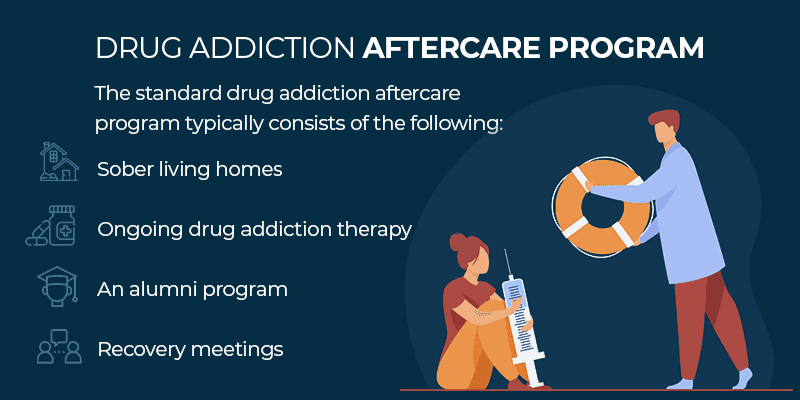
Aftercare programs are essential for sustaining recovery after completing a rehab program. They may include outpatient therapy, support groups, sober living arrangements, and continued monitoring. Aftercare provides ongoing support, accountability, and resources to help individuals navigate life challenges without relapsing.
How Do Rehab Programs Build Coping Skills?
Coping skills are critical for managing stress, emotional triggers, and daily life challenges without resorting to substances. Rehab programs teach practical skills such as mindfulness, relaxation techniques, assertive communication, and problem-solving strategies. Mastering these skills empowers participants to maintain sobriety and improve overall quality of life.
Why Is Addressing Underlying Trauma Important?
Many individuals struggling with addiction have a history of trauma or adverse experiences. Therapy within rehab programs addresses these issues, helping participants process emotions, reduce shame, and develop healthier behaviors. Addressing trauma is key to preventing relapse and fostering long-term emotional resilience.
Can Rehab Improve Mental and Physical Health?
Effective rehab addresses both the psychological and physiological impacts of addiction. Therapy reduces stress, improves emotional regulation, and enhances cognitive functioning. Medical care, nutrition, and physical activity support physical recovery, while holistic programs promote overall well-being. Participants often experience increased energy, improved focus, and better emotional balance.
How Do Rehab Programs Measure Success?
Success is measured through several indicators: sustained sobriety, improved emotional health, restored relationships, and reintegration into daily life. Regular assessments, therapy feedback, and support group participation track progress. Programs adjust treatment plans as needed to address ongoing challenges and reinforce positive behaviors.
What Should Participants Expect in the First Week of Rehab?
The initial phase typically includes intake assessments, medical evaluation, and orientation to the program. Participants meet with therapists to set goals, understand the schedule, and learn about available support resources. Early engagement establishes a foundation of trust and sets the stage for effective treatment throughout the program.
How Does Peer Support Enhance Recovery?
Peer support fosters accountability, motivation, and community. Participants share strategies, offer encouragement, and hold one another accountable for sobriety goals. Knowing that others face similar challenges reduces isolation, increases resilience, and reinforces the belief that lasting recovery is possible.
Can Rehab Programs Offer Telehealth or Remote Support?
Many rehab programs now provide telehealth options, offering counseling, support groups, and check-ins virtually. This increases accessibility for individuals who cannot attend in-person sessions due to geographic, mobility, or scheduling constraints. Remote support helps maintain consistency, accountability, and engagement in the recovery process.
What Are the Long-Term Benefits of Rehab?
Participating in a comprehensive rehab program provides lasting benefits beyond sobriety. Individuals gain emotional resilience, practical coping skills, and healthier relationships. They also develop self-awareness, improved decision-making, and the ability to navigate challenges without relying on substances. Rehabilitation supports lifelong recovery and personal growth.
In conclusion, a Drug and Alcohol Rehab program provides structured, evidence-based, and holistic support for individuals seeking to overcome addiction. By combining medical supervision, therapy, education, family involvement, and peer support, these programs address the multifaceted challenges of substance use. With personalized care and ongoing aftercare, participants are empowered to achieve lasting recovery, restore their lives, and maintain a healthier, substance-free future.
