

As Japanese enterprises expand digital services and modernize legacy platforms, the demand for reliable enterprise system development continues to grow. Many organizations are now adopting offshore development models to access skilled engineering resources while maintaining cost efficiency.
Through enterprise system development offshore, companies can build and maintain large-scale business systems such as ERP platforms, internal management systems, and production management applications.
By collaborating with experienced offshore partners, enterprises can accelerate system development while maintaining stable long-term engineering capacity.
Why Japanese enterprises adopt offshore system development
Enterprise systems are often the backbone of business operations. They support critical processes such as financial management, supply chain operations, logistics, and internal data management.
However, developing and maintaining these systems requires large engineering teams and specialized technical expertise.
For this reason, many companies adopt enterprise system development offshore to address several challenges.
IT talent shortages
Japan faces a growing shortage of experienced software engineers. Offshore development allows companies to expand development capacity by working with global engineering teams.
Long-term system maintenance
Enterprise platforms typically require continuous updates, system maintenance, and feature improvements. Offshore teams can provide stable development resources for long-term system support.
Cost-efficient development
Building large internal engineering teams can be expensive. Offshore development helps companies control development costs while maintaining high technical quality.
Because of these advantages, offshore development has become an important strategy for enterprise system modernization.
Growing demand for offshore development in Japan
Japan continues to increase investment in digital transformation and enterprise system modernization.
According to the Japan External Trade Organization, Vietnam has become one of the most important offshore development destinations for Japanese companies. The strong technology partnership between the two countries has supported the rapid growth of software outsourcing collaboration.
Market research from Statista also shows that Vietnam’s IT outsourcing industry continues to expand, with the market expected to generate over USD 880 million in revenue by 2028.
These trends highlight the increasing role of offshore development in supporting enterprise system development for Japanese organizations.
Legacy systems and modernization challenges in Japan
Many Japanese enterprises still rely on legacy enterprise systems that were built decades ago. While these systems remain stable, they often lack the flexibility required for modern digital platforms.
According to the Ministry of Economy, Trade and Industry, outdated IT infrastructure could create a major economic risk known as the “2025 Digital Cliff.” The report warns that if companies fail to modernize legacy systems, Japan could face economic losses of up to 12 trillion yen per year due to inefficiencies, maintenance costs, and limited innovation capabilities.
For many organizations, modernizing enterprise systems requires significant engineering resources and specialized technical expertise. As a result, many companies adopt enterprise system development offshore to accelerate system modernization while maintaining stable development capacity.
Offshore engineering teams can support legacy system upgrades, system integration projects, and the development of modern digital platforms while reducing pressure on internal IT teams.
Enterprise system development offshore vs in-house development
When planning large enterprise system projects, companies often compare in-house development with enterprise system development offshore.
In-house teams offer strong control and deep business knowledge, but expanding internal engineering capacity can be difficult due to Japan’s ongoing IT talent shortage.
In contrast, enterprise system development offshore provides access to a larger global talent pool and allows companies to scale development teams more quickly and cost-efficiently.
As a result, many Japanese enterprises adopt a hybrid model: internal teams focus on system architecture and business requirements, while offshore teams support large-scale development and system implementation.
Key advantages of enterprise system development offshore
Offshore development provides several strategic benefits for enterprises managing complex technology platforms.
Scalable engineering teams
Companies can quickly expand development teams when launching new projects or modernizing legacy systems.
Access to specialized expertise
Offshore partners often provide engineers experienced in enterprise technologies, cloud platforms, data systems, and system integration.
Faster development cycles
With dedicated development teams working continuously, enterprises can accelerate feature development and system improvements.
Support for long-term system evolution
Enterprise systems often evolve over many years. Offshore teams can provide stable engineering resources that support ongoing system development.
These advantages make enterprise system development offshore a practical approach for companies managing large digital platforms.
When offshore enterprise system development works best
Offshore development is particularly effective in several scenarios.
Organizations modernizing legacy enterprise systems often require large engineering teams for multi-year projects. Offshore development provides the capacity needed to support these initiatives.
Companies launching new digital platforms may also rely on offshore development to accelerate system development while controlling costs.
In addition, enterprises managing multiple internal systems often use offshore teams to support maintenance, integration projects, and continuous feature development.
For organizations operating complex enterprise systems, offshore development provides both flexibility and long-term engineering support.
Kaopiz, supporting enterprise system development
Many enterprises collaborate with experienced technology providers to develop and maintain business-critical systems.
Kaopiz, supporting enterprise system development, helps Japanese companies build scalable enterprise platforms, modernize legacy systems, and implement digital transformation initiatives.
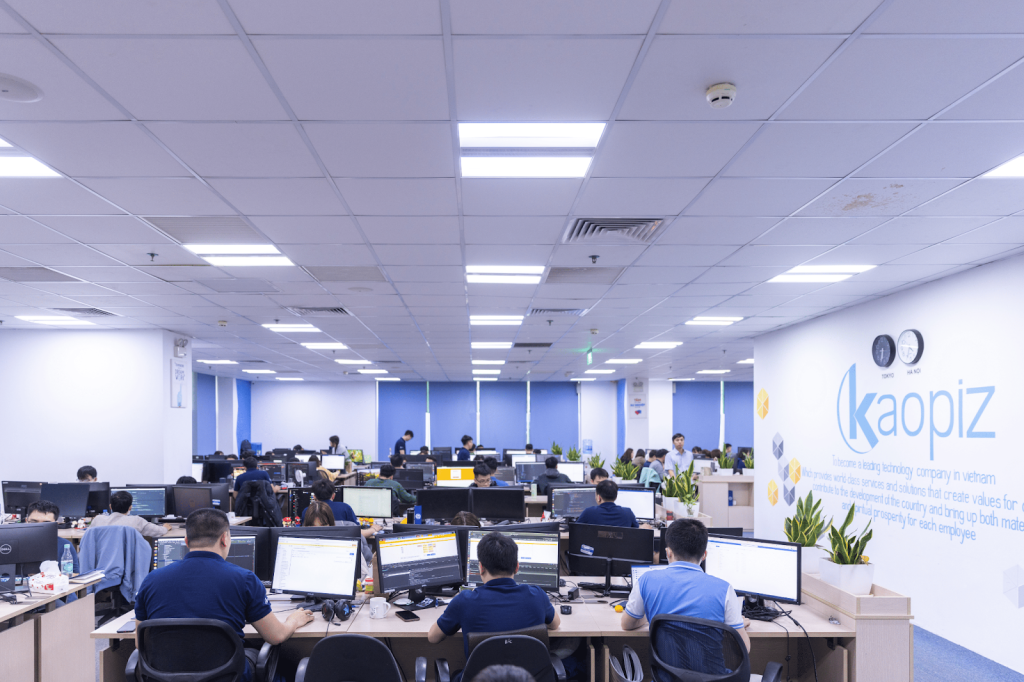
As a Vietnam-based IT service provider with extensive experience working with Japanese enterprises, Kaopiz delivers software development, system integration, and long-term engineering support for complex enterprise environments.
Conclusion
As enterprises continue to modernize digital infrastructure, enterprise systems remain central to business operations.
Enterprise system development offshore provides a scalable and cost-efficient approach for building and maintaining large enterprise platforms.
By working with experienced technology partners such as Kaopiz, organizations can accelerate system development while maintaining stable engineering resources and long-term system reliability.
INFORMATION CONTACT:
Email: marketing.jp@kaopiz.com
Address:
Japan Office:
03-5809-2633
3F, 3-8-8 Minami Ikebukuro, Toshima-ku, Tokyo
Singapore Office:
1 Raffles Place #19-61, One Raffles Place Tower 2, Singapore 048616
Vietnam Office 1:
024-6652-2105
1-2-4-5F, CT1-C14 Bac Ha building, To Huu street, Dai Mo ward, Hanoi
Vietnam Office 2:
024-6652-2105
12F, SHB Da Nang building, 06 Nguyen Van Linh street, Hai Chau ward, Da Nang
