

Historical Context of Japan and Brazil in Football
Football, or soccer as it’s known in some parts of the world, has a long and storied history in both Japan and Brazil, each with its unique trajectory and contributions to the sport. Brazil, often regarded as the Mecca of football, has a rich legacy dating back to the early 20th century. The country is synonymous with flair, creativity, and an almost divine connection to the sport. With five FIFA World Cup titles, Brazil stands as the most successful nation in the history of the tournament. Icons like Pelé, Zico, Romário, Ronaldo, and Ronaldinho have graced the game with their extraordinary talents, making Brazil a perpetual powerhouse in international football.
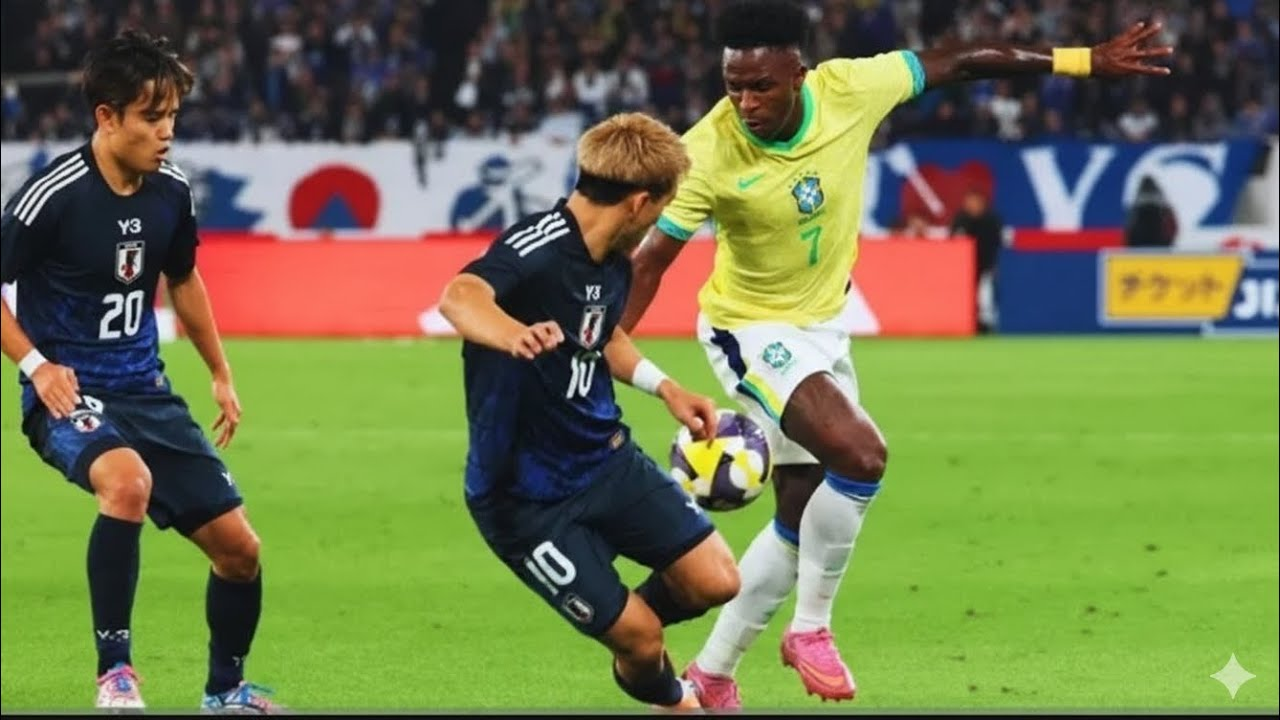
The history of Japan national football team vs Brazil national football team matches further highlights the contrast between these two footballing nations. Their encounters, whether in international friendlies or major tournaments such as the FIFA World Cup, have demonstrated Brazil’s traditional dominance alongside Japan’s steady rise in global football. These matches symbolize not only competitive clashes on the pitch but also the meeting of two distinct football cultures—Brazil’s expressive, attacking style and Japan’s disciplined, technically refined approach.
In contrast, Japan’s footballing journey has been one of steady growth and determination. The establishment of the J.League in 1993 marked a significant turning point for Japanese football, aiming to professionalize the sport and elevate its status domestically and internationally. Since then, Japan has made significant strides, qualifying for every World Cup since 1998 and progressively improving its performance on the global stage. The Samurai Blue, Japan’s national team, has developed a reputation for discipline, technical skill, and unyielding spirit, qualities that have seen them rise steadily in the world football rankings.
The historical context of football in Japan and Brazil sets the stage for their encounters on the pitch. While Brazil’s football culture is deeply rooted in its socio-political history, often seen as a symbol of national identity and pride, Japan’s football evolution is a testament to the country’s resilience and adaptability. These contrasting yet complementary histories make for fascinating encounters whenever these two nations meet on the football field.
Key Matches Between Japan and Brazil
Over the years, Japan and Brazil have faced each other several times, each match contributing to a growing rivalry marked by mutual respect and contrasting styles. One of the most memorable encounters came during the 2006 FIFA World Cup in Germany. In the group stage, Brazil defeated Japan 4-1 in a thrilling match that showcased Brazil’s attacking prowess and Japan’s tenacity. Despite the loss, Japan’s goal, scored by Keiji Tamada, was a moment of pride for the team and its supporters, highlighting their potential to challenge even the most formidable opponents.
Another significant match took place during the 2013 Confederations Cup, held in Brazil. This time, the host nation triumphed with a 3-0 victory over Japan in the group stage. The match was a testament to Brazil’s dominant form, with goals from Neymar, Paulinho, and Jô. However, Japan’s performance was commendable, as they demonstrated their growth and ability to compete at a high level, even against a football giant like Brazil.
The 2019 Copa América saw Japan invited as a guest nation, providing another opportunity for these two teams to clash. The group stage match ended in a 2-2 draw, with Japan showcasing their progress and ability to hold their own against top-tier teams. Koji Miyoshi’s brace was a highlight for Japan, while Brazil’s goals from Roberto Firmino and Casemiro ensured a share of the spoils. This match was particularly significant as it illustrated Japan’s evolving tactical approach and growing confidence on the international stage.
Notable Players from Both Teams
When discussing Japan and Brazil, it’s impossible to overlook the array of talent that has represented both nations. For Brazil, the list of legendary players is long and illustrious. Pelé, often regarded as the greatest footballer of all time, brought joy and pride to Brazil with his exceptional skills and three World Cup victories. Zico, known as the “White Pelé,” dazzled fans with his playmaking abilities and goal-scoring prowess. Ronaldo, with his remarkable speed and finishing, and Ronaldinho, with his mesmerizing dribbling and creativity, further cemented Brazil’s status as a footballing superpower.
In recent years, players like Neymar have carried the torch, continuing Brazil’s tradition of producing world-class talent. Neymar’s flair, agility, and goal-scoring ability have made him one of the most recognizable and influential players in modern football. His performances for both club and country have earned him numerous accolades and a place among the greats of Brazilian football.
Japan, too, has produced its share of notable players who have made significant contributions to the sport. Hidetoshi Nakata, often considered Japan’s first global football star, paved the way for future generations with his success in European leagues. Shunsuke Nakamura’s exquisite free-kick ability and vision made him a standout player for both club and country. Keisuke Honda, known for his versatility and leadership, played a crucial role in Japan’s World Cup campaigns.
More recently, players like Shinji Kagawa and Takumi Minamino have continued to raise the profile of Japanese football. Kagawa’s technical skill and creativity have made him a key player in both the Bundesliga and the Premier League, while Minamino’s pace and goal-scoring ability have seen him succeed in various top-flight leagues. These players, along with many others, have contributed to Japan’s growing reputation in the footballing world.
Tactical Approaches: Japan vs Brazil
When it comes to tactics, Japan and Brazil offer contrasting yet intriguing approaches to the game. Brazil’s footballing philosophy is often characterized by attacking flair, creativity, and individual brilliance. The Seleção’s tactical approach typically involves a fluid and dynamic style of play, with an emphasis on quick transitions, skillful dribbling, and intricate passing combinations. This attacking mindset is complemented by a solid defensive foundation, allowing Brazil to dominate possession and create numerous scoring opportunities.
Brazil’s tactical flexibility is also a key strength, with the ability to adapt their approach based on the opposition and match context. The use of versatile players who can operate in multiple positions adds to Brazil’s tactical arsenal, making them a formidable and unpredictable opponent. The influence of coaches like Tite, who emphasize organization and discipline, has further refined Brazil’s tactical approach, balancing their attacking instincts with defensive solidity.
Japan, on the other hand, is known for its disciplined and methodical approach to the game. The Samurai Blue’s tactical philosophy is built on teamwork, technical precision, and strategic planning. Japan’s style of play often involves a high level of organization, with players maintaining their positions and responsibilities with great discipline. This structured approach allows Japan to execute intricate passing sequences, maintain possession, and exploit spaces effectively.
Japan’s emphasis on collective effort and tactical intelligence is complemented by their physical conditioning and work ethic. The team’s ability to press high up the pitch, recover possession quickly, and transition smoothly from defense to attack is a testament to their tactical acumen. Coaches like Hajime Moriyasu have instilled a sense of tactical awareness and adaptability in the team, enabling Japan to compete effectively against top-tier opponents.
The tactical battle between Japan and Brazil is a fascinating spectacle, with each team bringing its unique strengths and strategies to the table. While Brazil’s attacking prowess and individual brilliance pose a constant threat, Japan’s disciplined and methodical approach provides a strong counterbalance. This tactical interplay adds an extra layer of intrigue to their encounters, making each match a captivating experience for football fans.
Memorable Goals and Highlights
The Japan vs Brazil fixtures have produced numerous memorable goals and highlights that have left an indelible mark on the minds of football fans. One such moment came during the 2006 FIFA World Cup when Brazil’s Ronaldo scored his record-breaking 15th World Cup goal against Japan. This goal, which made Ronaldo the all-time leading scorer in World Cup history at the time, was a testament to his clinical finishing and poise under pressure. The match itself was a thrilling display of Brazil’s attacking prowess, with Ronaldinho and Juninho Pernambucano also getting on the scoresheet.
In the 2013 Confederations Cup, Neymar’s stunning volley against Japan was a highlight that showcased his exceptional technique and flair. The goal, which came in the opening minutes of the match, set the tone for Brazil’s dominant performance and was a clear indication of Neymar’s rising star status. The precision and power of his strike left the Japanese goalkeeper with no chance, and it remains one of the standout moments of the tournament.
The 2019 Copa América encounter between Japan and Brazil provided a different kind of highlight, with Koji Miyoshi’s two goals standing out as moments of brilliance. Miyoshi’s first goal, a well-taken strike from the edge of the box, demonstrated his composure and technical ability. His second goal, a clever finish after a quick counter-attack, showcased Japan’s tactical awareness and ability to exploit spaces. These goals were a testament to Japan’s progress and ability to compete at the highest level, earning them a well-deserved draw against the host nation.
These memorable goals and highlights are not just moments of individual brilliance, but also reflections of the tactical and strategic battles between the two teams. Each goal tells a story of preparation, execution, and the unique qualities that both Japan and Brazil bring to the football field. These moments are etched in the memories of fans and continue to be celebrated as part of the rich history of Japan vs Brazil football showdowns.
Analysis of Recent Matches
In recent years, the matches between Japan and Brazil have continued to capture the imagination of football fans worldwide. Analyzing these encounters provides valuable insights into the evolving dynamics between the two teams and their respective progress on the international stage.
The 2017 International Friendly match saw Brazil secure a 3-1 victory over Japan, with goals from Neymar, Marcelo, and Gabriel Jesus. This match highlighted Brazil’s attacking depth and tactical flexibility, as they controlled the game with their fluid passing and quick transitions. Japan, despite the loss, showed glimpses of their tactical discipline and technical ability, with Tomoaki Makino scoring a consolation goal. The match was a reflection of Brazil’s continued dominance and Japan’s ongoing development as a competitive footballing nation.
The 2019 Copa América group stage match, which ended in a 2-2 draw, was a significant result for Japan. The Samurai Blue’s performance in this match was a testament to their tactical growth and ability to compete against top-tier teams. Koji Miyoshi’s brace was a standout moment, showcasing Japan’s attacking potential and resilience. Brazil, despite being the host nation, faced a well-organized and disciplined Japanese side that made it difficult for them to secure a victory. This match highlighted Japan’s progress and their ability to challenge even the strongest opponents.
The 2020 Tokyo Olympic Games provided another platform for Japan and Brazil to showcase their talents. In the men’s football tournament, Brazil emerged victorious with a 4-2 win over Japan in the semi-finals, eventually going on to win the gold medal. This match was a thrilling encounter, with both teams displaying their attacking prowess and tactical intelligence. Brazil’s ability to capitalize on key moments and their individual brilliance made the difference, but Japan’s performance was commendable, reflecting their growth and potential.
Analyzing these recent matches reveals a pattern of Brazil’s continued strength and Japan’s steady progress. While Brazil remains a formidable force with their attacking flair and tactical versatility, Japan’s disciplined approach and technical precision have made them a competitive opponent. These encounters provide valuable lessons and insights for both teams as they continue to evolve and aspire for greater success on the international stage.
Conclusion: The Legacy of Japan vs Brazil Football Showdowns
The football showdowns between Japan and Brazil have left an indelible mark on the history of the sport, each encounter adding to the rich tapestry of footballing narratives. These matches are more than just contests on the pitch; they are celebrations of cultural identity, tactical brilliance, and the universal appeal of football. The legacy of Japan vs Brazil encounters is a testament to the enduring passion and dedication of both nations to the beautiful game.
For Brazil, these matches reinforce their status as a footballing superpower, showcasing their attacking flair, individual brilliance, and tactical versatility. The performances of Brazilian legends and emerging stars in these encounters have contributed to the country’s footballing mythology and inspired future generations. The legacy of Brazil’s footballing excellence is a source of immense pride and a symbol of national identity.
For Japan, the legacy of these encounters is one of growth, resilience, and aspiration. The opportunity to compete against a footballing giant like Brazil has been a source of motivation and pride for Japanese players and fans. The progress made by Japan in these matches reflects their determination to elevate their status in the footballing world and achieve greater success on the international stage. The legacy of Japan’s footballing journey is a testament to the country’s resilience and commitment to excellence.
The cultural impact of Japan vs Brazil matches extends beyond the immediate results, fostering mutual respect and admiration between the two nations. These encounters highlight the power of football to bring people together, transcend cultural boundaries, and celebrate the shared love of the sport. The legacy of Japan vs Brazil football showdowns is a celebration of the beautiful game’s ability to inspire, unite, and captivate fans around the world.
As we look to the future, the prospect of more epic showdowns between Japan and Brazil is an exciting one. Each new encounter will add to the rich history and legacy of these two footballing nations, providing moments of brilliance, tactical battles, and unforgettable memories for fans. The legacy of Japan vs Brazil football showdowns is a testament to the enduring appeal and magic of the beautiful game.
