

Removing old flooring is more than a messy chore; it’s a project that requires the right equipment, knowledge, and respect for safety. Whether you are tackling decades-old vinyl tiles, stubborn adhesive on a subfloor, or worn carpet, having the correct gear reduces risk, speeds the job, and helps protect your home from contamination and damage. This article outlines the essential tools and protective measures to carry out a successful and safe floor-stripping job.
Why the right gear matters
Using proper equipment keeps the work efficient and prevents injuries. A poorly chosen tool can gouge the subfloor, scatter hazardous dust, or create kickback that injures hands and ankles. Old flooring materials may hide nails, staples, or adhesives that chemically break down into hazardous dust. A thoughtful approach, combining hand tools, power equipment, and personal protective gear, allows even a homeowner to complete removal safely while keeping the structure of the house intact.
Personal protective equipment (PPE)
Start every removal project by equipping yourself with PPE. A properly fitted N95 or higher-rated respirator helps filter fine dust and particles; if asbestos or lead is suspected, a P100 respirator and professional testing are required. Safety goggles or a full-face shield protect eyes from flying debris when prying or using power tools. Heavy-duty work gloves reduce the risk of cuts and punctures from nails and sharp flooring edges. Knee pads are invaluable for long jobs because they reduce strain and allow you to work closer to the surface without injury. Hearing protection is necessary when operating loud floor machines and saws. Finally, wear durable footwear with slip-resistant soles and steel toes if heavy materials could be dropped.
Essential hand tools for prying and lifting
Quality hand tools are the backbone of safe flooring removal. A robust pry bar and a flat bar help lift boards, pull up tack strips, and remove baseboards without excessive force. A trim puller protects molding and minimizes damage. A utility knife with a sharp blade excels at scoring vinyl and cutting carpet into manageable strips; change blades frequently to maintain clean cuts. For staples and small nails, a pair of pliers and a heavy duty staple remover will save time and reduce hand strain. A mallet or dead-blow hammer allows controlled force without excessive impact. For carpet and padding removal especially, a knee kicker and carpet tucker aid in loosening and rolling out sections — and when removing carpet be sure to use carpet removal tools that let you work efficiently while reducing back strain.
Power tools and heavy-duty scrapers
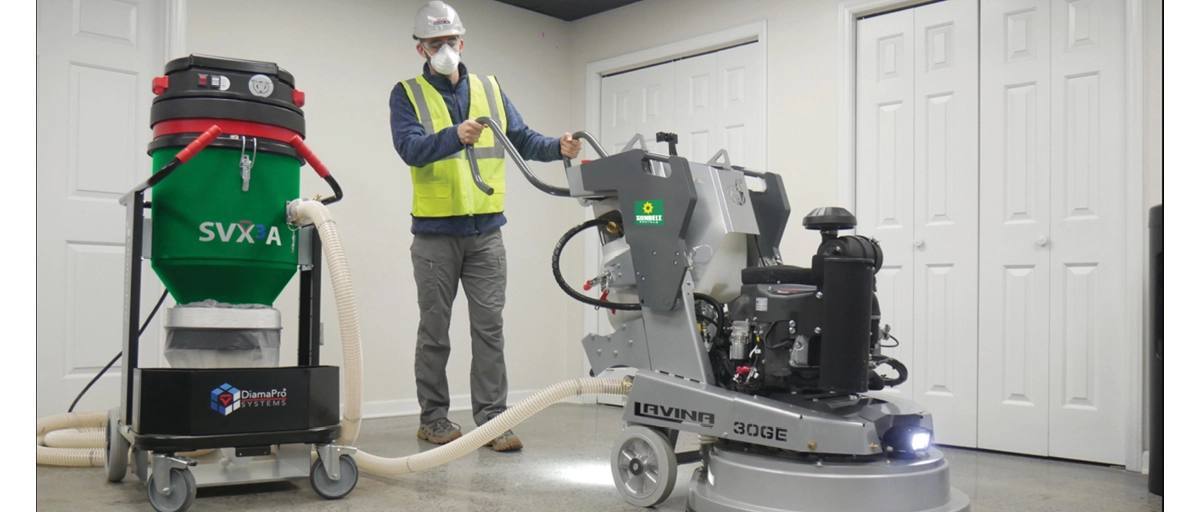
Power tools accelerate large jobs but raise safety stakes. An oscillating multi-tool with scraper attachments is useful for tight corners and delicate removal near doorways. For extensive adhesive removal, a floor scraper—either manual with a long handle or powered with a rotating blade—saves hours of labor. When using powered scrapers, secure dust extraction to prevent airborne contamination. Heat guns can soften adhesives and vinyl for easier peeling, but they create fumes and burn risks; use them in well-ventilated areas and keep a fire extinguisher nearby. A reciprocating saw or circular saw may be appropriate when cutting through adhered subfloor materials, but use them cautiously to avoid contacting hidden utilities or weakening structural members.
Handling adhesives, finishes, and hazardous materials
Older floors may have adhesives or finishes containing hazardous substances. Before starting, research the age of the material and, if there’s any chance of asbestos or lead, arrange for professional testing. Never sand or grind known asbestos-containing materials yourself. When working with stubborn adhesives, test an adhesive remover in a small area and follow all manufacturer instructions; many solvents require gloves, respirators, and good ventilation. Mechanical methods—scoring, scraping, and heat—often reduce chemical use. Collect and contain waste as you go to limit cross-contamination.
Dust control, cleanup and disposal
Good dust control keeps your home healthy and simplifies cleanup. Seal off the work area with plastic sheeting and use an air purifier or negative airflow setup if possible. Connect power tools to a HEPA-rated vacuum when feasible to capture dust at the source. Clean floors regularly during stripping rather than waiting until the end; this reduces the amount of airborne particles and keeps the workspace safer. Bag or containerize debris in heavy-duty contractor bags and label any suspicious materials for professional handling. Local regulations may require special disposal for materials containing asbestos or hazardous chemicals—check municipal rules before discarding large quantities.
Protecting the structure and planning safe workflows
To avoid accidental damage, map out where you will cut and lift. Score tiles or vinyl into strips that are manageable and less likely to tear irregularly. When prying up nails or boards, don’t lever against drywall or delicate trim—use scrap wood to distribute force. Work from one corner and move methodically across the space so that you never have to step on unsupported subfloor areas. Secure utilities and turn off electrical circuits if you expect to work near outlets or baseboard heaters. If any part of the floor shows signs of water damage or rot, address underlying structural issues before installing new flooring.
Final tips for a safe project
Take breaks to avoid fatigue, which is a common cause of accidents. Keep a first-aid kit accessible and a charged phone nearby. If a task feels beyond your skills—especially when hazardous materials or structural concerns are present—hire a licensed professional. With the right mix of PPE, hand tools, power equipment, and careful planning, stripping old flooring becomes a manageable and safe process. Proper preparation not only protects your health but preserves the integrity of the home and sets a solid foundation for whatever new surface you choose to install.
