

Every new parent knows the challenge of helping their newborn settle into peaceful sleep. Among the many tools available, swaddling stands out as one of the most time-tested methods for calming fussy babies and extending those precious sleep stretches. Yet with countless swaddle options flooding the market, choosing the right one can feel overwhelming when you’re already navigating the fog of new parenthood.
The wrong swaddle can lead to frustrating nights of escape artists wriggling free, overheated babies, or worse—unsafe sleep positions that put your infant at risk. Meanwhile, the perfect swaddle creates a cozy, womb-like environment that helps your baby feel secure, sleep longer, and wake less frequently. Understanding what makes a swaddle truly effective isn’t just about convenience; it’s about giving your newborn the best possible start with healthy sleep habits that benefit the entire family. This guide will walk you through everything you need to know to make an informed choice that works for your baby’s unique needs.
Understanding the Benefits of Swaddling
Swaddling works by gently restricting your baby’s arm movements, which directly addresses one of the most common sleep disruptors in newborns: the startle reflex, also known as the Moro reflex. This involuntary response causes babies to suddenly fling their arms outward and then quickly bring them back in, often waking themselves from sleep in the process. When properly swaddled, your baby’s arms stay securely positioned, preventing these jarring movements from interrupting their rest cycles. The result is longer stretches of uninterrupted sleep for both baby and parents.
Beyond managing the startle reflex, swaddling recreates the snug, contained feeling babies experienced in the womb. This familiar sensation provides emotional comfort during the challenging transition to life outside, helping to reduce crying and fussiness. Many parents notice their swaddled babies settle more quickly at bedtime and remain calmer between sleep cycles. The gentle pressure of a baby swaddle can also help regulate a newborn’s body temperature and provide the boundaries they instinctively seek, making them feel protected rather than exposed in the vast openness of a crib.
Research supports what generations of parents have observed: swaddled babies often sleep more soundly and for longer periods. This isn’t just about convenience—quality sleep is essential for infant brain development, growth, and overall health. When babies sleep better, they’re typically more alert and content during wake periods, creating a positive cycle that benefits their development and gives exhausted parents much-needed rest to care for their newborn effectively.
How Swaddling Supports Newborn Sleep
The science behind swaddling’s effectiveness lies in how it interacts with a newborn’s developing nervous system. During the first months of life, babies haven’t yet developed the ability to self-soothe or control their reflexive movements. Their nervous systems are easily overstimulated by environmental stimuli and their own sudden movements. Swaddling provides what researchers call “containment,” which helps organize these immature neurological responses and reduces the sensory overload that can prevent sleep.
From a physiological perspective, the gentle pressure of swaddling activates the parasympathetic nervous system—the body’s natural calming mechanism. This is similar to the reason weighted blankets help adults relax. The consistent, even pressure signals safety to the brain, lowering cortisol levels and promoting the release of calming neurotransmitters. Additionally, by keeping babies on their backs in a secure position, proper swaddling supports safe sleep practices recommended by pediatricians to reduce SIDS risk. The combination of physical containment, neurological calming, and safe positioning creates an optimal sleep environment that addresses multiple factors affecting newborn rest, making swaddling one of the most effective tools in establishing healthy early sleep patterns.
Factors to Consider When Choosing a Swaddle
Selecting the right swaddle requires evaluating several practical elements that directly affect both safety and effectiveness. The material composition tops the list—you’ll want fabrics that allow air circulation while providing enough structure to stay securely wrapped throughout the night. Cotton muslin, bamboo blends, and lightweight cotton jersey are popular choices that balance breathability with the slight stretch needed for a snug fit. Avoid heavy fabrics that trap heat, as overheating poses serious risks for infants and can disrupt their sleep quality.
Size and adjustability matter more than many parents initially realize. A swaddle that’s too small won’t provide adequate coverage as your baby grows, while one that’s too large creates excess fabric that can become a safety hazard. Look for options that accommodate your baby’s current size with room to grow, or consider having swaddles in different sizes for various stages. The fastening method is equally important—whether you choose Velcro, snaps, or zippers, the closure should be secure enough to withstand active babies but accessible enough for middle-of-the-night diaper changes without fully unwrapping your settled infant.
Finally, consider your own comfort level with swaddling technique. Traditional blankets offer versatility and work beautifully once you master the wrapping method, but they require practice and confidence. Structured swaddles with built-in fasteners eliminate guesswork and provide consistency, which can be invaluable during those exhausted 3 a.m. wake-ups. Think about your lifestyle too—if you’ll be swaddling in various locations or need quick solutions, ease of use becomes a priority worth weighing against other factors.
Material and Comfort
The fabric touching your baby’s delicate skin deserves careful attention, as newborns are particularly sensitive to texture and temperature. Natural fibers like organic cotton and bamboo excel at moisture-wicking, drawing perspiration away from your baby’s body to prevent discomfort and maintain a stable temperature throughout sleep. These materials also soften with each wash rather than deteriorating, making them practical for the frequent laundering that baby items require. The weave matters too—muslin’s loose, open structure provides excellent breathability for warmer climates or naturally warm sleepers, while jersey knits offer gentle stretch that moves with your baby without loosening. Always check that materials are free from harsh chemicals, dyes, or treatments that could irritate sensitive infant skin, and consider pre-washing new swaddles to remove any manufacturing residues before first use.
Swaddle Type
Traditional receiving blankets represent the most versatile option, allowing you to customize the tightness and positioning for your baby’s specific needs. These square or rectangular blankets work wonderfully once you’ve practiced proper swaddling techniques, and they serve multiple purposes beyond swaddling—as nursing covers, burp cloths, or stroller shades. However, they require skill to secure properly and can come undone more easily than structured alternatives.
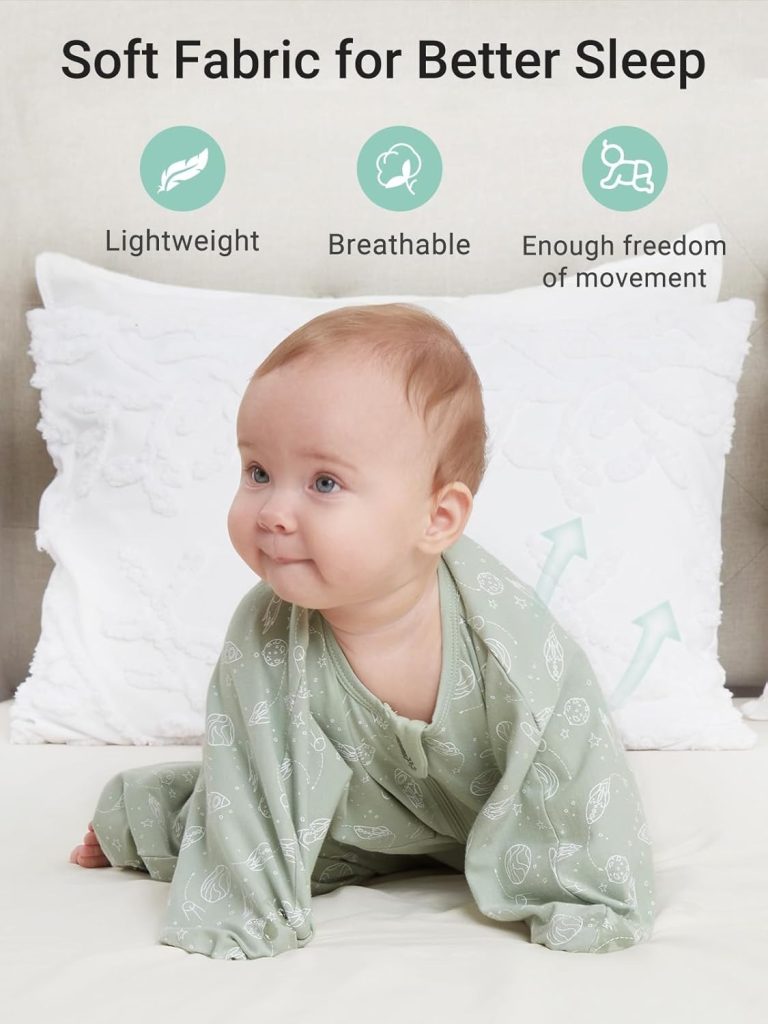
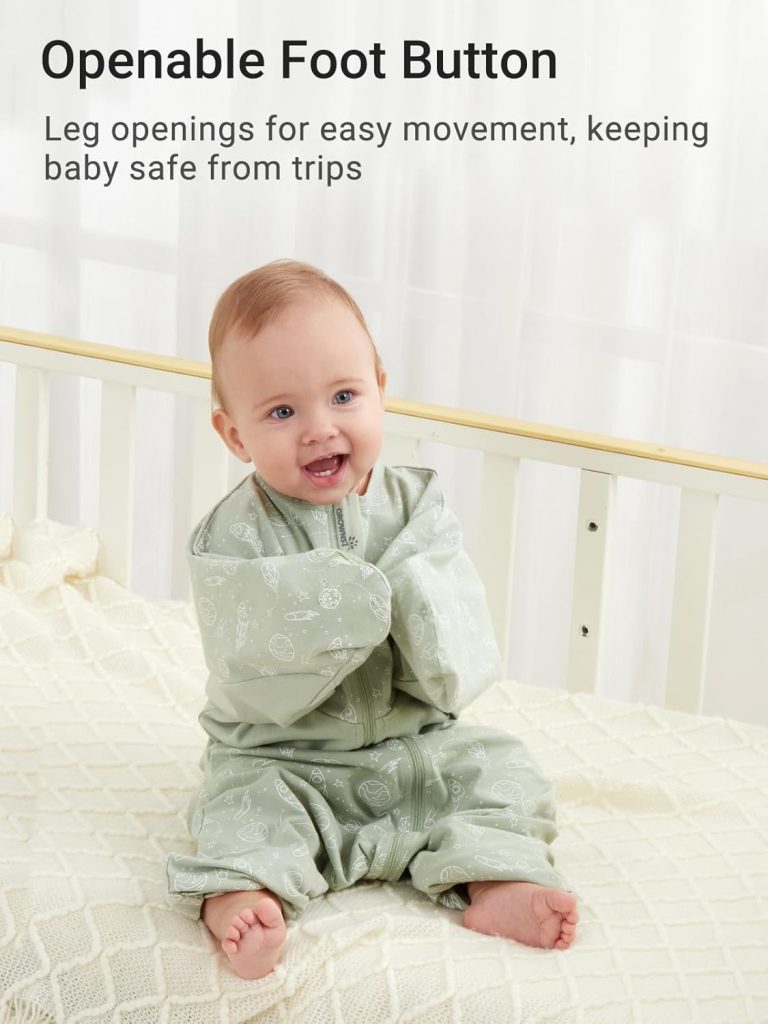
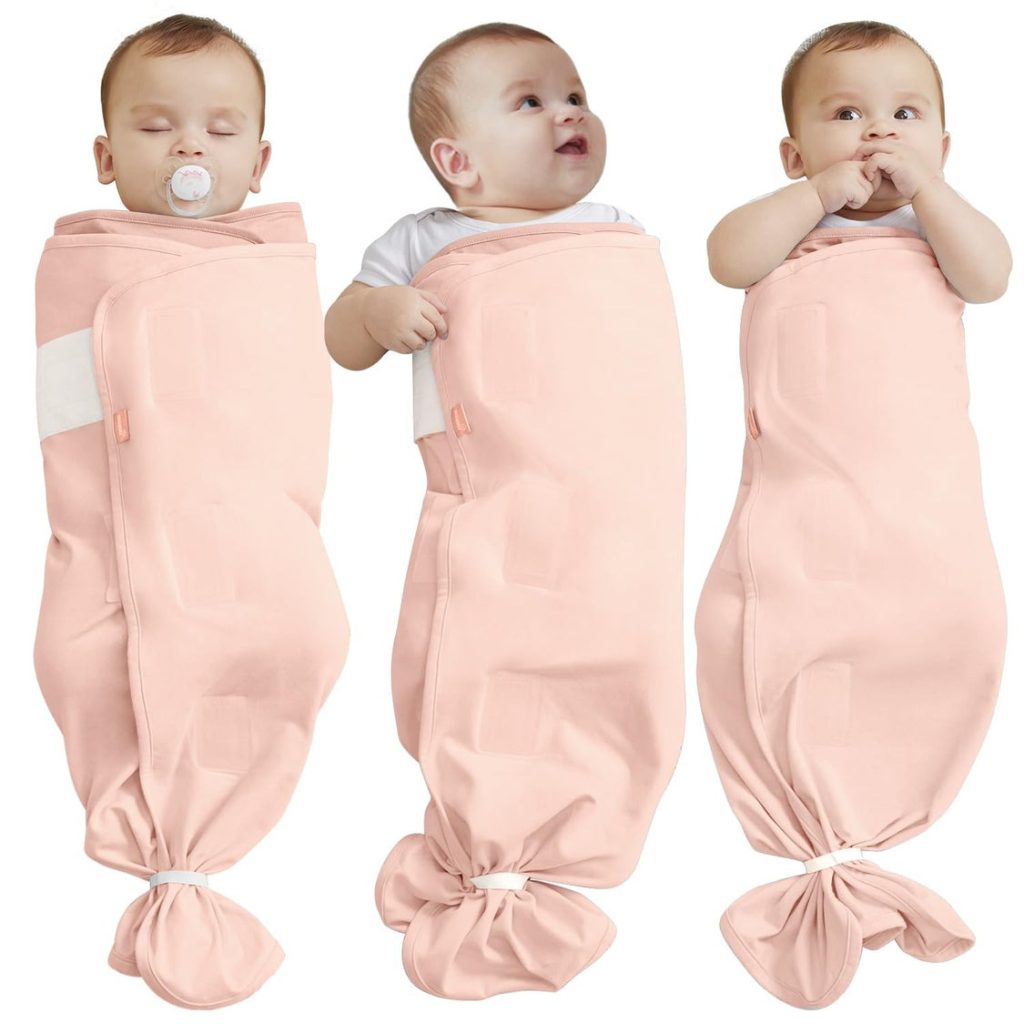
Swaddle wraps with wings and Velcro or snap closures eliminate the learning curve entirely. These designed products feature a pocket or pouch for baby’s body with adjustable flaps that wrap around and secure firmly in place. They’re nearly foolproof and maintain their snugness throughout the night, making them ideal for parents who struggle with traditional wrapping or need consistency across multiple caregivers. Sleep sacks with swaddle wings offer a hybrid approach—they provide the security of a swaddle for arms while giving legs room to move in a sack design. This style works particularly well for the transition period when babies begin showing signs of rolling but still benefit from having their arms contained, offering a middle ground between full swaddling and independent sleep.
Product Recommendations
When it comes to proven swaddles that consistently earn praise from both parents and pediatric sleep experts, several standout options address different needs and preferences. Muslin swaddle blankets have become a nursery staple for good reason—their lightweight, breathable weave prevents overheating while providing just enough structure for a secure wrap. These versatile squares work beautifully in warm weather and improve with every wash, becoming softer and more pliable over time. Parents appreciate their multipurpose functionality, using them long after swaddling ends for everything from car seat covers to comfort objects.
For parents seeking foolproof convenience, structured swaddle wraps with adjustable fasteners eliminate the intimidation factor of traditional blanket wrapping. These designed products feature intuitive wing-and-pocket systems that create consistent, secure swaddles even during sleep-deprived nighttime changes. Many include hip-healthy designs that allow natural leg positioning while keeping arms snugly contained. The best versions offer adjustable tightness settings to accommodate growth and individual preferences, with quiet closures that won’t disturb a settling baby. Brands like Grownsy have developed swaddles with user-friendly designs that help new parents master the swaddling process quickly while maintaining the security and comfort babies need.
Transitional sleep sacks with removable swaddle wings deserve consideration for their longevity and adaptability. These hybrid designs support babies through multiple developmental stages—starting as full swaddles, converting to one-arm-out configurations when rolling begins, and finally functioning as regular sleep sacks once swaddling ends. This versatility makes them cost-effective investments that grow with your baby. Look for options with two-way zippers for easy diaper access and temperature-appropriate tog ratings that match your nursery climate. The most highly rated swaddles across all categories share common traits: they’re made from quality materials that withstand frequent washing, they maintain their shape and security throughout the night, and they simplify the swaddling process without compromising safety or effectiveness.
Making the Right Swaddle Choice for Your Baby
Choosing the perfect swaddle for your infant ultimately comes down to balancing safety, comfort, and practicality for your family’s unique situation. The right swaddle should use breathable materials that prevent overheating, provide secure fastening that withstands active movements, and match your confidence level with swaddling techniques. Whether you opt for the versatility of traditional muslin blankets, the convenience of structured wraps with fasteners, or the adaptability of transitional sleep sacks, prioritize products that support safe sleep practices while genuinely helping your baby rest peacefully.
Remember that every baby responds differently to swaddling, so don’t hesitate to try a few options before settling on your favorite. Pay attention to your infant’s cues—if they seem uncomfortable, overly warm, or consistently break free, it’s time to adjust your approach or try a different style. As your final consideration, invest in at least two or three swaddles so you always have a clean backup ready during those inevitable middle-of-the-night changes. With the right swaddle in hand and proper technique, you’ll be well-equipped to help your newborn transition smoothly into healthy sleep patterns that benefit the entire household.
