

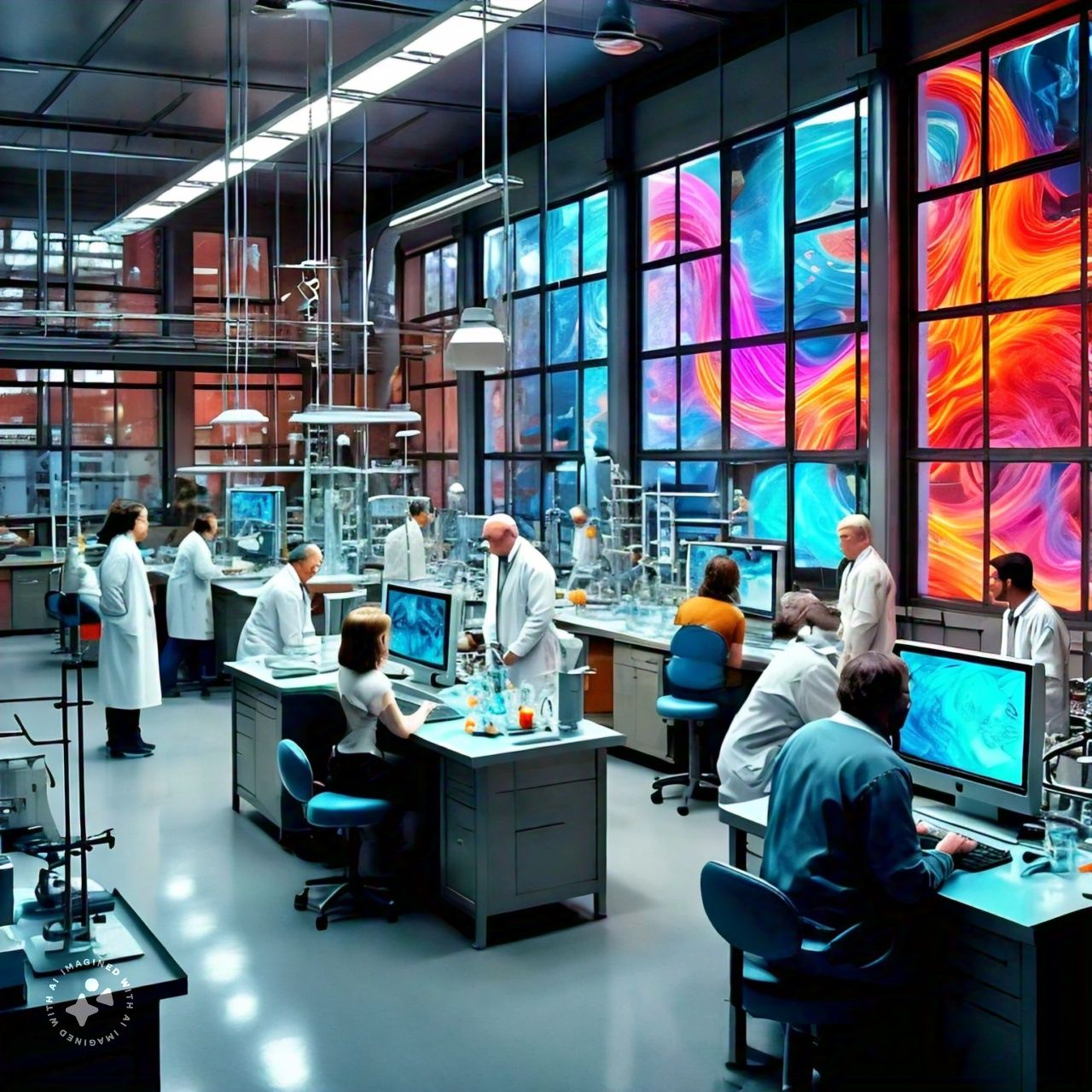
In the realm of artificial intelligence, generative AI stands as a beacon of innovation, pushing the boundaries of creativity and imagination. From generating realistic images and videos to composing music and writing literature, generative AI has emerged as a transformative force across various domains. As we delve into the intricacies of this groundbreaking technology, we uncover its potential to revolutionize industries, inspire artistic expression, and reshape our understanding of human-machine collaboration.
Understanding Generative AI
At its core, generative AI refers to a subset of artificial intelligence techniques designed to produce new content that resembles existing data. Unlike traditional AI models, which are primarily focused on classification or prediction tasks, generative AI algorithms are trained to generate novel outputs based on patterns learned from vast datasets. These algorithms leverage advanced neural networks, such as generative adversarial networks (GANs) and variational autoencoders (VAEs), to simulate human-like creativity and produce realistic outputs.
Applications Across Industries
Generative AI holds immense promise across a wide range of industries, where its creative potential is being harnessed to drive innovation and solve complex problems. In the field of healthcare, researchers are exploring the use of generative models to generate synthetic medical images for training diagnostic algorithms and simulating patient data for medical research. Similarly, in finance, generative AI is being applied to generate synthetic financial data for risk analysis and portfolio optimization.
In the realm of design and architecture, generative AI algorithms are revolutionizing the creative process by automatically generating design variations and exploring novel concepts. This enables designers to rapidly iterate and explore a vast design space, leading to more innovative and efficient solutions. Moreover, in entertainment and media, generative AI is being used to create realistic computer-generated imagery (CGI), generate personalized content recommendations, and even assist in scriptwriting and content creation.
Creative Expression and Artistic Innovation
One of the most captivating aspects of generative AI is its ability to facilitate artistic expression and foster creative collaboration between humans and machines. Artists and musicians are harnessing the power of generative models to explore new forms of expression and push the boundaries of their craft. From generating abstract artworks to composing original music, generative AI is enabling creators to transcend traditional artistic constraints and unlock new realms of creativity.
For example, in the field of visual arts, artists are using generative adversarial networks to generate stunning visualizations and explore novel artistic styles. These AI-generated artworks challenge our perceptions of creativity and invite us to rethink the role of technology in the creative process. Similarly, in music composition, generative AI algorithms are being used to generate original compositions, harmonize melodies, and even assist in improvisation, providing musicians with new tools for exploration and experimentation.
Ethical Considerations and Challenges
Despite its immense potential, generative AI also raises significant ethical considerations and challenges. The ability of generative models to produce highly realistic synthetic content raises concerns about the potential misuse of this technology for malicious purposes, such as creating fake news, spreading disinformation, or generating deepfake videos. Moreover, the ethical implications of using generative AI to generate synthetic data, particularly in sensitive domains such as healthcare or finance, require careful consideration and robust safeguards.
Furthermore, there are challenges related to bias and fairness in generative AI models, as they may inadvertently perpetuate or amplify existing societal biases present in the training data. Addressing these challenges requires a concerted effort to develop responsible AI frameworks, promote transparency and accountability in AI development, and engage in interdisciplinary dialogue to ensure that the benefits of generative AI are equitably distributed across society.
The Future of Generative AI
As we look to the future, the potential of generative AI seems boundless. Advancements in AI research, coupled with increasingly powerful computing resources, are fueling the rapid evolution of generative models and expanding their capabilities. From generating photorealistic images and videos to creating interactive virtual environments and immersive experiences, the possibilities are endless.
Moreover, the integration of generative AI into everyday applications and devices is poised to transform how we interact with technology and experience the world around us. Imagine personalized virtual assistants capable of generating natural language responses tailored to individual preferences, or virtual reality experiences that seamlessly blend real-world environments with AI-generated content.
Generative AI stands as a beacon of innovation, reshaping our understanding of creativity, innovation, and collaboration between humans and machines. This transformative technology has the potential to unlock new avenues for exploration, discovery, and artistic expression, fundamentally altering the way we interact with technology and envision the future.
At its core, generative AI represents a paradigm shift in how we conceive of creativity. No longer confined to the realm of human imagination, creativity becomes a collaborative endeavor between humans and intelligent machines. By leveraging the vast amounts of data available to them, generative AI algorithms can produce novel and unexpected outputs that challenge traditional notions of artistic expression and innovation.
Furthermore, generative AI opens up new possibilities for innovation across various domains. From healthcare and finance to design and entertainment, the ability to generate synthetic data and creative content revolutionizes how we approach problem-solving and idea generation. By harnessing the power of generative AI, researchers, designers, and creators can explore uncharted territories, uncover hidden patterns, and discover innovative solutions to complex challenges.
However, as we embark on this journey of exploration and discovery, it is essential to uphold ethical principles and promote responsible development practices. The potential for misuse and unintended consequences necessitates a thoughtful and cautious approach to the deployment of generative AI technology. By prioritizing transparency, accountability, and fairness, we can mitigate the risks associated with generative AI and ensure that its benefits are equitably distributed across society.
Ultimately, the future of generative AI is limited only by our imagination. As we continue to push the boundaries of what is possible, we have the opportunity to usher in a future where the distinctions between human and machine creativity blur, and where the collaborative efforts of humans and intelligent machines lead to unprecedented levels of innovation and artistic expression. By embracing generative AI with a commitment to ethical principles and responsible development, we can unlock the full potential of this transformative technology and create a future where the possibilities are truly limitless.
