

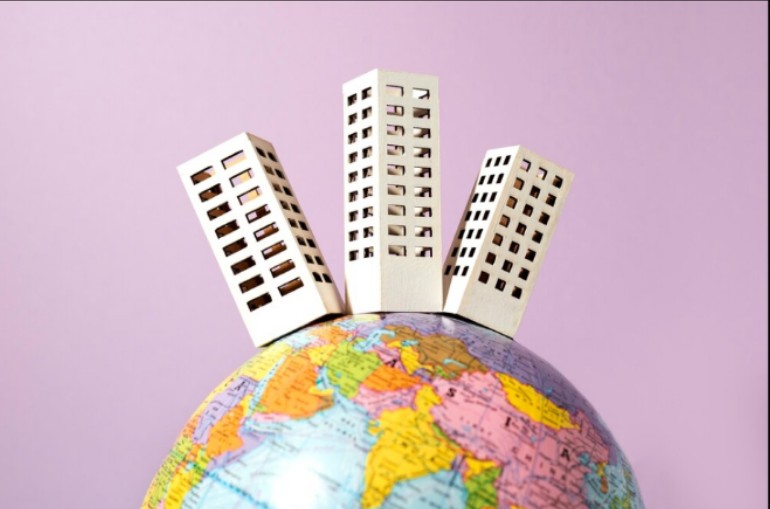
The world’s real estate market is always changing due to a number of causes including economic upheavals, demographic changes, technology breakthroughs, and shifting customer tastes. Global real estate markets are changing as we move through the twenty-first century due to a number of significant changes. It is imperative that people, developers, investors, and politicians comprehend these patterns in order to make well-informed decisions in a dynamic environment.
Urbanization and Megacities
The future of real estate is being shaped in large part by the trend of increased urbanization. Megacities—urban regions with populations of more than 10 million—are emerging as a result of people moving to cities throughout the world in quest of better opportunities. There is a growing demand for residential, commercial, and infrastructural real estate as a result of this movement. To meet the demands of city people, developers are concentrating on building mixed-use complexes that combine residential, commercial, and recreational areas.
Sustainable Development and Green Buildings
The real estate industry has made sustainable development a top priority in response to rising environmental concerns. Green buildings are becoming more and more popular all over the world. They are made to reduce their negative effects on the environment by using less energy, conserving resources, and reducing waste. Governments are putting policies and rewards in place to encourage sustainable activities, and buyers are beginning to place a higher value on environmentally friendly real estate. Green building techniques are being more widely used as a result of investors realizing the long-term worth of sustainable real estate assets.
Demand for Flexible Living Arrangements
The need for flexible living arrangements is driving up demand for rental houses. Many people are delaying important life milestones like getting married and having a kid, especially members of Generation Z and Millennials, to keep their living arrangements more flexible. Whether it’s the Midwest, or the South, flexibility has been on the rise. Many people are looking for Fort Wayne IN apartments to rent, as this part of the country offers flexible living arrangements. Renting frees you from the restrictions of owning to move for personal development, travel, or job possibilities. The need for short-term housing alternatives has also been fueled by the growth of the gig economy and freelance labor, which has increased demand for rental homes.
Technology Disruption and Smart Cities
Technology is completely changing the way we work, live, and interact with the world around us. This is also true in the real estate industry. The idea of “smart cities,” which employ digital technology to improve productivity, connectedness, and quality of life, is becoming more and more popular. Technology is changing every facet of the real estate sector, from AI-driven property management systems to IoT-enabled buildings that optimize energy consumption. Proptech solutions are being used by investors and developers as a way to optimize workflows, boost asset efficiency, and improve the tenant experience in general.
Shifts in Work and Retail Spaces
Conventional ideas about office and retail space are being challenged by the growth of remote work and e-commerce. The need for office space is changing as more businesses adopt flexible work schedules, with a focus on shared facilities, collaborative workspaces, and flexible lease alternatives. In a similar vein, the retail industry is changing as physical businesses adjust to compete with Internet merchants. The boundaries between conventional retail and real estate are getting more and more blurred with the rise in the popularity of mixed-use complexes that include retail, eating entertainment, and residential components.
Demographic Changes and Multigenerational Housing
Globally, aging populations and shifting family compositions are among the demographic changes impacting real estate markets. The need for multigenerational housing options that meet the requirements of large families living together is rising in many nations. In response, real estate developers are creating residences and communities with attributes including universal design, accessibility, and senior amenities that appeal to a wide range of age groups and lifestyles. Furthermore, younger generations’ preferences—Millennials and Gen Z, for example—are influencing trends in urban living, sustainability, and the use of technology.
Real estate has a dynamic and diverse future that is fueled by both local and global factors. Future market trends will undoubtedly be shaped by factors including urbanization, sustainability, technology, and demographic changes. To prosper in this dynamic environment, stakeholders need to maintain their flexibility, adaptability, and forward-thinkingness, capitalizing on new possibilities while minimizing risks.
