

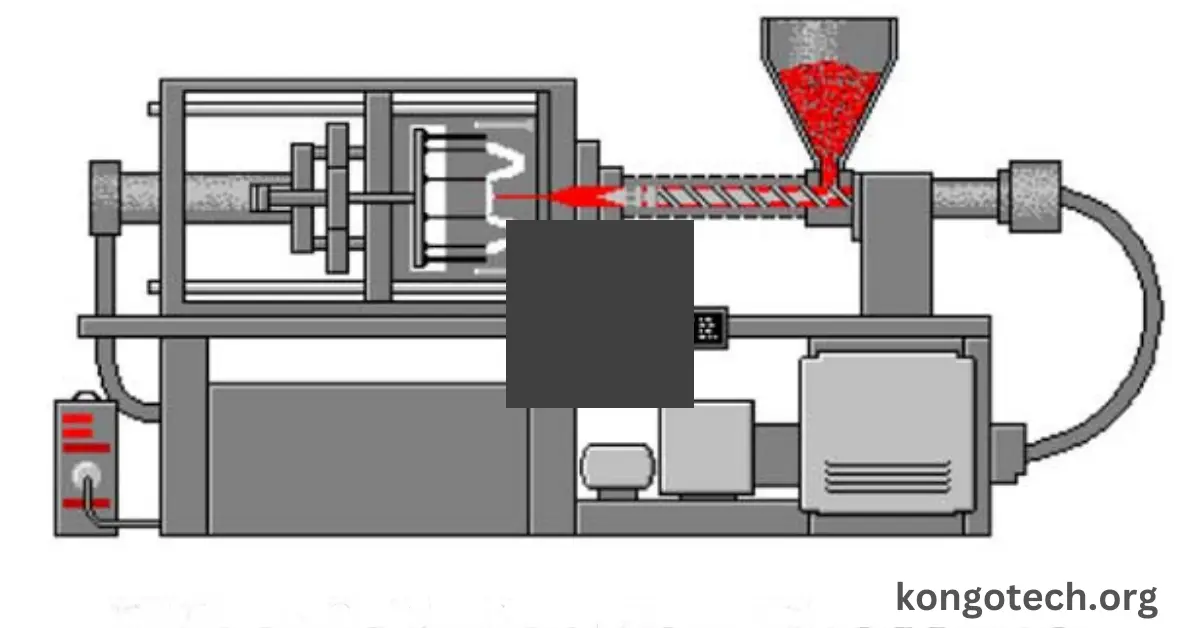
Medical injection molding is a critical process in the production of various medical devices and components. Ensuring the quality and consistency of these molded parts is paramount in the medical industry, where precision and reliability are non-negotiable. One of the key aspects of medical injection molding is the classification and management of molding pressures.
Introduction to Medical Injection Molding
Medical injection molding involves the manufacturing of intricate medical components in Medical Molding process through the injection of molten material into a mold cavity. This process is widely used for producing items ranging from syringes and vials to complex medical implants and surgical instruments. The ability to control various parameters, including temperature, pressure, and material flow, is essential for achieving desired part characteristics.
Importance of Proper Pressure Classification
Proper pressure classification is crucial in medical injection molding as it directly impacts the quality, performance, and consistency of the molded parts. Understanding the different types of pressures involved and their respective classifications is essential for optimizing the molding process and ensuring the production of high-quality medical devices.
Understanding Injection Molding Pressures
Injection Pressure
Injection pressure refers to the force applied to push molten material into the mold cavity during the injection phase of the molding cycle. It plays a significant role in filling the mold efficiently and achieving the desired part geometry.
Definition and Importance
Injection pressure is the primary driving force behind the flow of molten material into the mold cavity. It determines the speed and uniformity of material distribution, ultimately affecting the quality of the molded part. Proper injection pressure ensures complete mold filling, minimizes defects such as voids and sink marks, and promotes dimensional accuracy.
Classification of Injection Pressure
Injection pressure can be classified based on its magnitude and duration. High-pressure injection is typically required for molding complex parts with thin walls or intricate geometries, while low-pressure injection may suffice for simpler components. The duration of injection pressure, including the peak pressure and holding pressure phases, varies depending on the material properties and mold design.
Packing Pressure
Packing pressure, also known as hold pressure or second-stage pressure, is applied to the mold cavity after the injection phase to compensate for material shrinkage and ensure proper part packing.
Explanation and Significance
Packing pressure helps to pack additional material into the mold cavity, compensating for shrinkage as the molten material cools and solidifies. It improves part density, reduces porosity, and enhances mechanical properties such as strength and durability.
Categories of Packing Pressure
Packing pressure can be categorized based on its application method and control mechanism. Constant packing pressure applies a consistent force throughout the packing phase, while variable packing pressure allows for adjustments based on part geometry and material behavior.
Clamping Pressure
Clamping pressure refers to the force exerted by the molding machine to keep the mold halves securely closed during the injection molding process.
Overview and Significance
Clamping pressure is essential for maintaining mold integrity and preventing flash or excess material from escaping between the mold halves. It ensures precise part dimensions, reduces mold wear, and prevents machine damage.
Types of Clamping Pressure
Clamping pressure can be classified based on the machine type and configuration. Hydraulic, mechanical, and hybrid clamping systems are commonly used in medical injection molding, each offering unique advantages in terms of speed, precision, and energy efficiency.
Back Pressure
Back pressure, also known as screw or melt pressure, is the resistance exerted by the molten material against the screw during the injection phase.
Definition and Purpose
Back pressure helps to homogenize the molten material, improve melt quality, and facilitate uniform filling of the mold cavity. It also prevents premature solidification and reduces the risk of melt degradation.
Varieties of Back Pressure
Back pressure settings can vary based on the material type, viscosity, and processing conditions. Higher back pressure may be required for materials with high viscosity or additives prone to degradation, while lower back pressure is suitable for sensitive materials or thin-walled parts.
Factors Affecting Pressure in Medical Injection Molding
Several factors influence the pressure requirements and dynamics in medical injection molding:
- Material Type and Properties: The viscosity, flow characteristics, and thermal stability of the material influence the injection and packing pressures required for optimal molding.
- Molding Machine Specifications: The tonnage, injection speed, and clamping force of the molding machine affect the pressure exerted during the molding process.
- Mold Design and Geometry: The complexity of the mold design, including part geometry, wall thickness, and gating system, can impact pressure distribution and flow behavior.
- Processing Conditions: Factors such as melt temperature, injection rate, and cooling time influence pressure variations and molding outcomes.
Importance of Proper Pressure Management in Medical Injection Molding
Effective management of injection molding pressures is essential for achieving consistent part quality, minimizing defects, and maximizing production efficiency. Improper pressure control can lead to various issues, including incomplete filling, warpage, sink marks, and part deformation.
Techniques for Optimizing Injection Molding Pressures
Optimizing injection molding pressures involves careful monitoring, adjustment, and validation of process parameters. Some key techniques include:
- Monitoring and Adjusting Parameters: Regular monitoring of injection pressure, packing pressure, and back pressure allows for timely adjustments to optimize part quality and production efficiency.
- Utilizing Scientific Molding Principles: Applying scientific molding principles, such as DOE (Design of Experiments) and SPC (Statistical Process Control), helps to identify optimal pressure settings and maintain process stability.
- Implementing Process Validation: Conducting process validation studies ensures that the molding process consistently meets quality standards and regulatory requirements.
- Continuous Improvement Strategies: Continuous evaluation and refinement of molding parameters based on real-time data and feedback contribute to ongoing process improvement and cost reduction.
Conclusion
Proper classification and management of injection molding pressures are essential for ensuring the quality, consistency, and efficiency of Medical Molding device manufacturing. Understanding the different types of pressures involved, their classifications, and the factors influencing pressure dynamics is critical for optimizing the molding process and producing high-quality medical components.
