

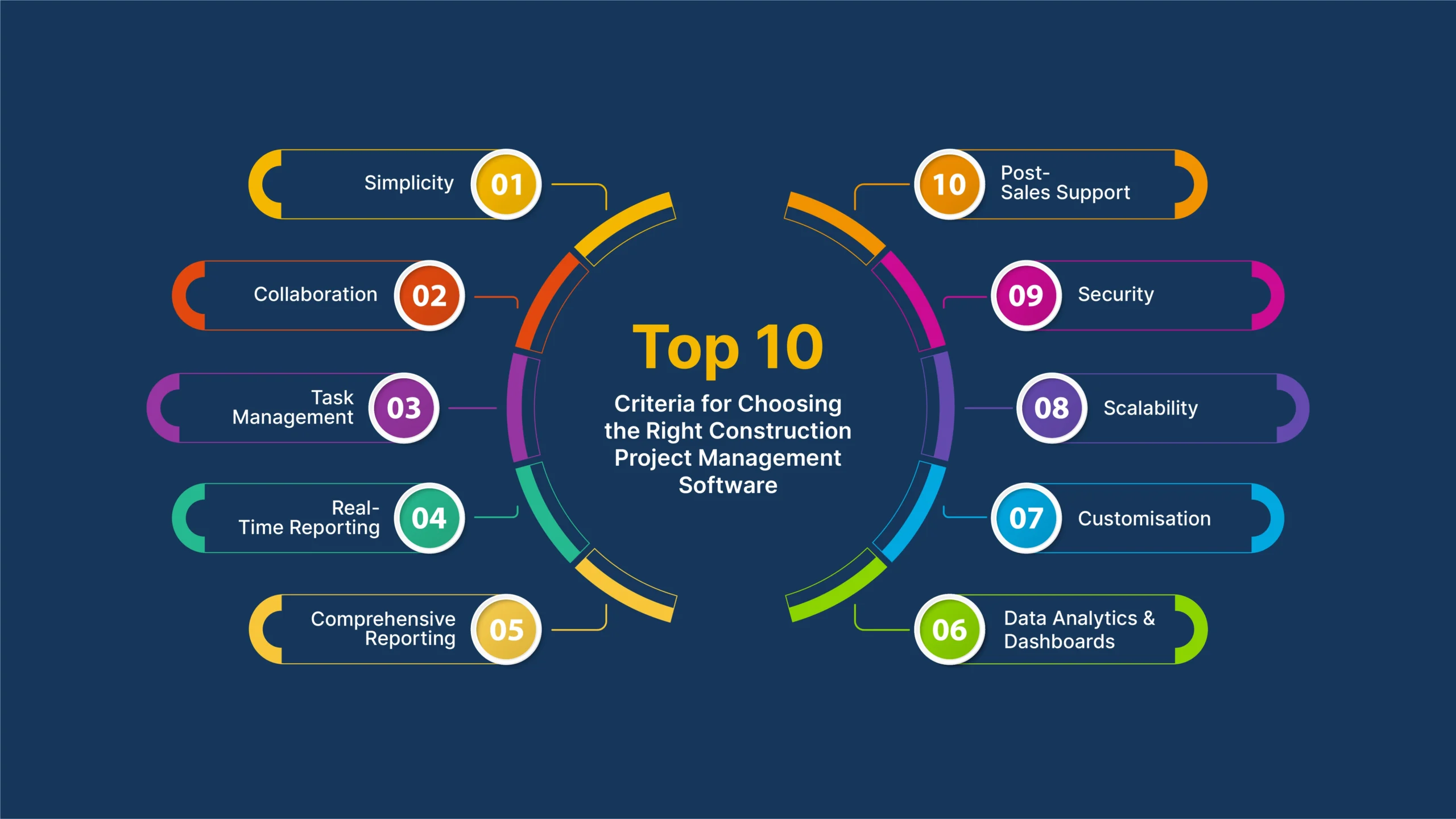
The world of construction is constantly evolving, demanding innovative solutions to manage the increasing complexity of projects. One such innovation is construction project planning software, a tool that plays a pivotal role in modernising project management. This software not only streamlines operations but also enhances efficiency by providing a comprehensive platform for project tracking, scheduling, and resource allocation.
The Role of Project Planning Software
Project planning software for construction offers a suite of features designed to address the unique challenges faced in the industry. Enhanced scheduling capabilities ensure that all tasks are completed within the allocated time frame, reducing the risk of delays that can lead to increased costs. Moreover, it facilitates better communication among team members, creating a seamless flow of information that is crucial for synchronising activities across different departments.
The Benefits of Integration
Integrating project planning software for construction with existing systems allows companies to leverage the benefits of technology without overhauling their current processes. This integration enhances data visibility, enabling project managers to make informed decisions based on real-time information. Such technology ensures that all stakeholders have access to up-to-date project details, thus improving collaboration and ensuring that everyone is aligned with the project goals.
Optimising Resource Management
Another critical aspect of construction project planning software is its ability to optimise resource management. By accurately forecasting resource needs, the software helps in preventing both shortages and surpluses, which can be detrimental to a project’s success. Proper resource management ensures that all materials and manpower are utilised efficiently, reducing waste and improving project profitability.
Enhancing Budget Control
Budget overruns are a common issue in construction projects, often due to poor planning and inadequate tracking. With robust planning tools, project managers can establish a detailed budget and monitor expenditure in real-time. This capability helps in mitigating financial risks, ensuring that projects are completed within budgetary constraints, and providing a reliable framework for financial accountability.
Streamlining Communication
Effective communication is vital in construction projects where numerous parties are involved. Construction project planning software centralises communication, providing a platform for stakeholders to share updates, access critical documents, and collaboratively solve issues. This streamlining of communication reduces misunderstandings and accelerates decision-making processes.
Improving Procurement Processes
Construction procurement software is another essential component that complements project planning tools. It automates the procurement process, ensuring that all materials are ordered and delivered on time, thus preventing delays caused by supply chain disruptions. By tracking supplier performance and purchase histories, procurement software assists in maintaining strong supplier relationships and negotiating better terms.
Mitigating Risks
Risk management is integral to construction projects, as unforeseen issues can significantly impact timelines and budgets. Project planning software includes risk assessment modules that allow project managers to identify potential risks early in the project lifecycle. By analysing historical data and current project parameters, these tools provide insights that help in developing effective risk mitigation strategies.
Ensuring Regulatory Compliance
Construction projects are subject to numerous regulations and standards. Compliance is mandatory and deviations can result in severe penalties. Project planning software assists managers in ensuring that all activities adhere to applicable laws and industry standards. It offers tools for compliance tracking and documentation, providing managers with the peace of mind that their projects are regulation compliant.
Enhancing Quality Control
Quality control is a vital aspect of construction. Construction project planning software includes quality management features that help in defining quality standards, executing inspections, and managing non-conformities. By ensuring that all construction activities meet the specified quality requirements, the software plays a crucial role in upholding high standards and improving customer satisfaction.
Facilitating Sustainability
As construction projects increasingly focus on sustainability, planning software offers tools to integrate sustainable practices into project execution. It assists in planning resource-efficient projects that minimise environmental impact and comply with sustainability benchmarks. This approach not only supports environmental goals but also bolsters the company’s reputation as a responsible entity.
Conclusion
In summation, the adoption of construction project planning software significantly transforms project management by streamlining operations, enhancing communication, and providing crucial insights for decision-making. These tools enhance the overall efficiency and effectiveness of project management practices, allowing companies to complete projects on time, within budget, and to the highest quality standards. As the construction industry continues to evolve, leveraging such software becomes essential for staying competitive and meeting the demands of modern project management.
