

There was a time when Indian weddings were designed by families, printers, decorators, and event planners.
Today?
They are designed by couples.
Modern Indian couples don’t just plan weddings, they curate them. From Instagram-worthy décor to personalized playlists, every detail is intentional. And this transformation is powered by something bigger than tradition.
It’s powered by technology.
Creative tech tools have quietly revolutionized how weddings are imagined, planned, and executed. What once required specialized designers and printing houses can now be done from a laptop or smartphone. And at the heart of this change is the ability to design everything including the iconic shaadi card without depending entirely on third parties.
The result? Weddings that feel less generic and more personal than ever before.
The Digital Shift in Indian Wedding Culture
India hosts over 1 crore weddings every year. That’s not just a cultural phenomenon, it’s a design ecosystem.
Earlier, wedding planning followed fixed templates:
- Standard invitation formats
- Pre-set color combinations
- Limited typography options
- Minimal customization
But Gen Z and millennial couples are digital natives. They grew up editing photos, designing social media posts, and building visual identities online. Naturally, they want the same creative control over their wedding.
Creative technology has made that possible.
Today, couples are:
- Designing their own invites
- Creating wedding logos
- Building custom event websites
- Matching invitation themes with décor aesthetics
- Sending animated digital invites on WhatsApp
This isn’t just convenient. It’s empowerment.
The Reinvention of the Shaadi Card
The shaadi card has always been symbolic in Indian weddings. It’s the first official announcement, the emotional invitation, the tangible beginning.
But the way it’s designed has changed dramatically.
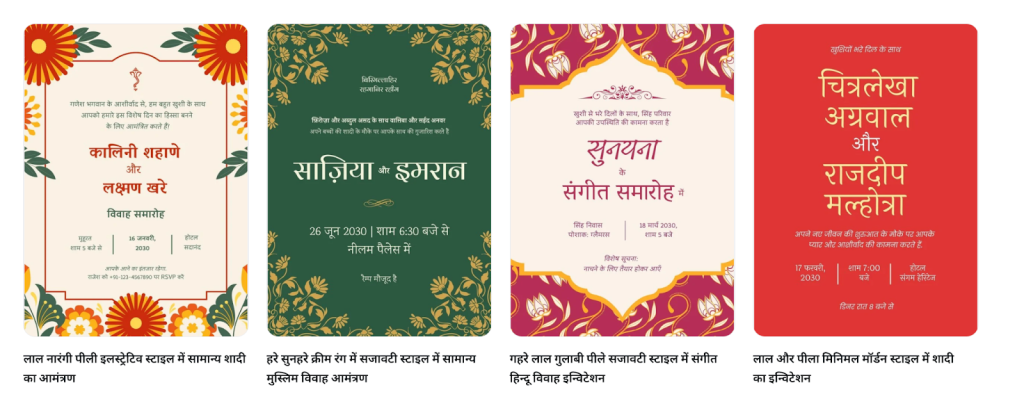
Now, instead of selecting from a printer’s catalog, couples experiment with:
- Minimalist templates
- Illustrated motifs
- Soft pastel palettes
- Temple-inspired line art
- Custom monograms
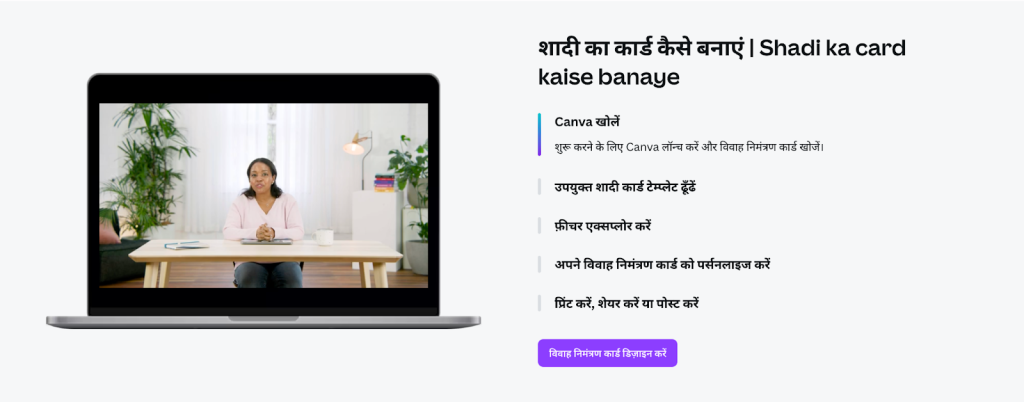
Tools like Canva have played a major role here. With ready-made layouts and easy customization, couples can create professional-looking शादी कार्ड डिजाइन without formal graphic design training.
What used to take days of coordination can now happen in hours.
Example 1: A Minimalist Bangalore Wedding
A tech professional couple in Bangalore decided they wanted something “clean and modern.”
Instead of traditional red-and-gold themes, they chose:
- Ivory background
- Elegant serif typography
- A subtle gold Om symbol
- Soft sage green accents
They designed the layout themselves using digital tools, refined it over a week, and printed a small batch for the family while sending animated versions digitally.
Guests described it as “classy,” “different,” and “thoughtfully modern.”
The couple later shared that designing their own shadi ka card made them feel more connected to the celebration.
Social Media Influence: Design as Identity
Social media has reshaped wedding expectations.
Couples now:
- Match invitation colors with outfit palettes
- Create cohesive visual themes
- Coordinate hashtags and invitation designs
- Share animated invites online
The शादी का निमंत्रण is no longer private it’s part of the wedding’s public identity.
This shift has made design literacy important. It’s not about extravagance; it’s about clarity and cohesion.
Creative tech tools make it easier to maintain that consistency across:
- Save-the-date posts
- Printed invites
- Wedding websites
- Instagram highlights
Example 2: A Jaipur Royal Fusion Theme
A couple from Jaipur wanted to keep their Rajasthani heritage alive but avoid overly heavy design.
They created:
- Navy blue base
- Gold palace line-art
- Minimal floral patterns
- Modern typography for names
Instead of bulky invitation boxes, they chose a slim matte finish card.
Their शादी का निमंत्रण balanced royal inspiration with modern elegance a fusion only possible because they could prototype multiple versions digitally before finalizing.
Beyond Invitations: Complete Wedding Branding
Creative tech tools have expanded beyond just invitation design.
Couples now design:
- Welcome boards
- Table name cards
- Digital RSVP forms
- Event itineraries
- Thank-you notes
This level of personalization was expensive earlier. Now, accessible platforms allow couples to experiment and refine designs until they feel right.
This also encourages creativity among families who want to contribute.
Example 3: A Chennai Eco-Friendly Wedding
A Chennai-based couple wanted sustainability to define their wedding.
They:
- Designed digital-only invites
- Used earthy tones
- Embedded a short video message
- Included a Hindi blessing line
- Avoided heavy print materials
Their shaadi card existed primarily as a beautifully animated digital file shared across WhatsApp and email.
Guests appreciated the environmental thoughtfulness and the design simplicity.
Technology made sustainability practical.
Sample Invitation Text Ideas
Here are two adaptable invitation formats that modern couples are using:
Sample 1 – Traditional with Modern Layout
“स्नेह और आशीर्वाद के साथ, हम आपको हमारे विवाह समारोह में सादर आमंत्रित करते हैं।”
Clean typography. Center alignment. Subtle temple motif.
Sample 2 – Contemporary Tone
“Two hearts. One journey. Join us as we celebrate love, family, and forever.”
Minimalist font. Soft pastel background. Elegant spacing.
These combinations show how modern design doesn’t erase tradition, it enhances it.
The Psychological Impact of Designing Your Own Wedding
There’s something powerful about creating your own wedding visuals.
When couples design:
- They feel ownership
- They align aesthetics with personality
- They reduce dependency
- They increase emotional investment
Designing becomes part of the memory.
Instead of “The printer chose this,” it becomes “We created this.”
Why This Tech Movement Will Only Grow
India is rapidly digitizing. Internet penetration is expanding, smartphones are affordable, and creative tools are becoming smarter.
This means:
- More couples will experiment
- More regional motifs will be digitized
- More personalized templates will emerge
- More hybrid print-digital weddings will take shape
Creative technology is not replacing wedding tradition. It is modernizing it.
And in doing so, it is empowering couples to turn rituals into reflections of identity.
Conclusion: When Technology Meets Tradition
Indian weddings have always been grand. But today, they are also deeply personal.
Creative tech tools have transformed weddings from template-driven events into customizable experiences. From designing the perfect shaadi card to creating cohesive wedding branding, couples now have the freedom to shape their big day according to their story.
Whether it’s a minimalist digital invite or a royal-inspired printed शादी कार्ड डिजाइन crafted through platforms like Canva, the power has shifted from vendors to couples.
And perhaps that’s the most beautiful transformation of all.
Because when technology meets tradition, weddings stop being copied.
They start being created.
