

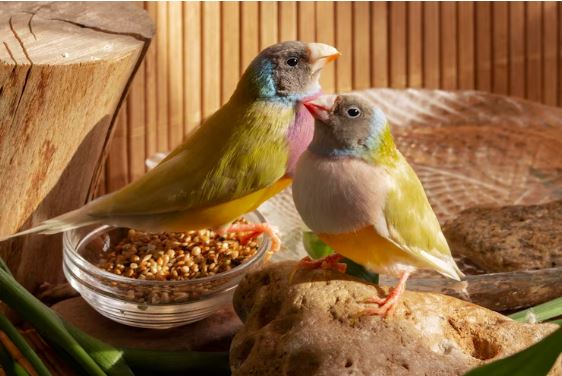
Parrots, with their vibrant plumage and intelligent demeanor, are cherished companions for many. However, ensuring their well-being involves more than just providing a spacious cage and a balanced diet.
Integrating supplements into their routine can play a pivotal role in supporting their health and happiness.
In this article, we delve into the significance of supplements for parrots and explore how they can enhance various aspects of their well-being.
Understanding Parrot Nutrition
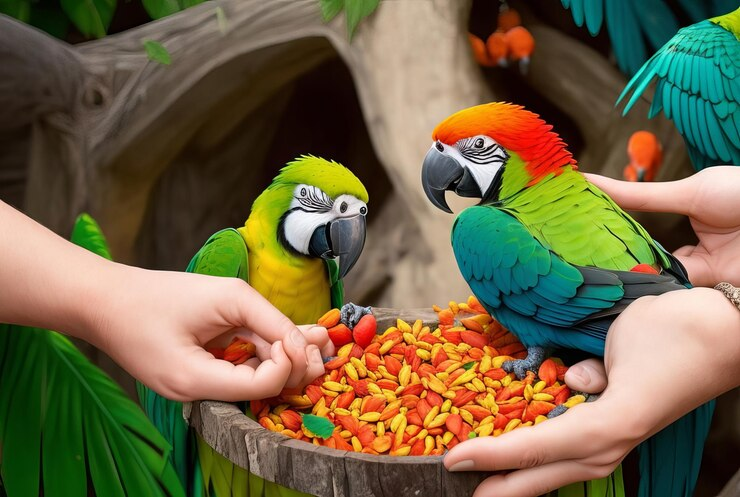
Before delving into supplements, it’s crucial to understand the nutritional needs of parrots. In the wild, these birds have access to a diverse range of foods, including fruits, seeds, nuts, and even insects.
Mimicking this variety in captivity is essential to meeting their dietary requirements.
- Fruits: Parrots in the wild consume a variety of fruits, such as berries, apples, and mangoes, which provide essential vitamins, minerals, and antioxidants.
- Seeds: Seeds are a staple food for many parrot species, offering energy-rich fats and proteins. However, they should be offered in moderation due to their high fat content and potential for nutritional imbalance.
- Nuts: Nuts like almonds, walnuts, and pecans are nutrient-dense foods that contribute healthy fats, protein, and essential minerals to a parrot’s diet. Again, moderation is key to prevent excessive fat intake.
- Insects: Insects are a natural source of protein and essential amino acids for parrots, aiding in muscle development and overall health. Offering dried insects or mealworms can mimic this aspect of their wild diet in captivity.
Role of Supplements in Parrot Health
By integrating supplements into their diets, parrot owners can ensure that their feathered friends are receiving essential vitamins, minerals, and nutrients that may be lacking in their regular food.
Parrot supplements from Birdsprees can help support immune function, promote strong bones and feathers, and improve overall vitality.
1. Enhancing Feather Health
Feathers are more than just adornments for parrots; they serve vital functions in insulation, flight, and communication.
Supplements containing omega-3 fatty acids, biotin, and other nutrients can promote healthy feather growth and reduce the risk of issues like feather plucking and dullness.
2. Supporting Digestive Health
Parrots are prone to digestive issues, including crop impaction and bacterial infections. Probiotic supplements can help maintain a healthy gut flora, while digestive enzymes aid in food breakdown and nutrient absorption, reducing the risk of digestive disturbances.
3. Boosting Immunity
A robust immune system is essential for protecting parrots from infections and diseases. Supplements rich in vitamin C, vitamin E, and antioxidants can bolster their natural defenses and support overall immune function, particularly during periods of stress or illness.
4. Promoting Joint and Bone Health
Parrots, like humans, are susceptible to age-related joint issues and bone disorders. Supplements containing glucosamine, chondroitin, and calcium can support joint mobility, alleviate arthritis symptoms, and promote strong, healthy bones, especially in older birds.
5. Addressing Behavioral Concerns
Behavioral problems, such as excessive screaming or aggression, can arise due to various factors, including nutritional deficiencies.
Certain supplements, such as those containing L-theanine or herbal calming agents, may help promote relaxation and reduce stress-related behaviors in parrots.
6. Supporting Reproductive Health
For breeding pairs or birds of reproductive age, supplements play a crucial role in supporting fertility and egg production.
Calcium supplements are particularly vital for female parrots during egg laying, helping prevent calcium depletion and egg-binding complications.
Choosing the Right Supplements
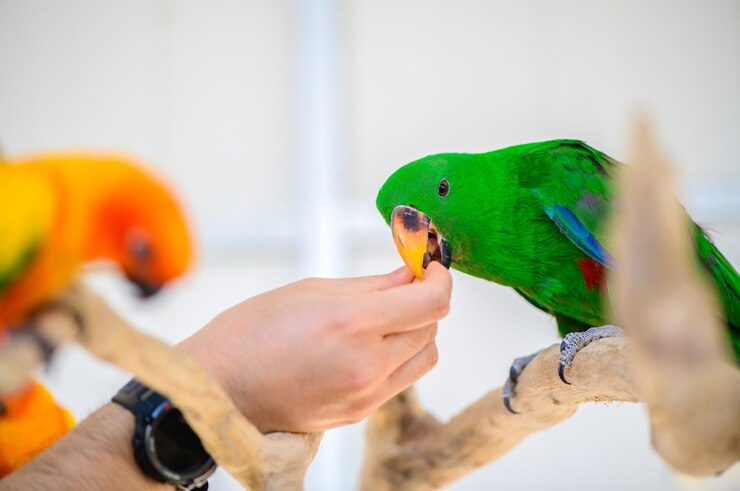
Selecting the appropriate supplements for your parrot requires careful consideration. Opt for high-quality products specifically formulated for avian species, and consult with a veterinarian or avian specialist to determine which supplements are suitable for your bird’s unique needs.
- Quality Assurance: Choose supplements from reputable brands with a track record of producing high-quality avian products. Look for certifications or seals indicating adherence to quality standards.
- Avian-Specific Formulation: Ensure that the supplements are specifically formulated for birds, taking into account their unique nutritional requirements and digestive physiology. Avoid supplements designed for other animals, as they may not meet your parrot’s needs.
- Consultation with Experts: Seek guidance from a veterinarian or avian specialist who can assess your parrot’s health status and dietary needs. They can recommend supplements tailored to your bird’s age, species, health condition, and any specific concerns.
- Customization: Every parrot is unique, so the supplement regimen should be customized based on individual factors such as diet, lifestyle, and any existing health issues. A personalized approach ensures optimal results and minimizes the risk of over-supplementation or deficiencies.
Conclusion
Integrating supplements into your parrot’s care regimen can significantly enhance their overall well-being and quality of life.
From promoting feather health to supporting immune function and addressing behavioral concerns, the right supplements can make a world of difference for your feathered friend.
However, it’s essential to approach supplementation thoughtfully, consulting with experts and tailoring your approach to meet your parrot’s specific needs.
By prioritizing their nutritional requirements and supplementing wisely, you can ensure that your parrot thrives and flourishes for years to come.
