

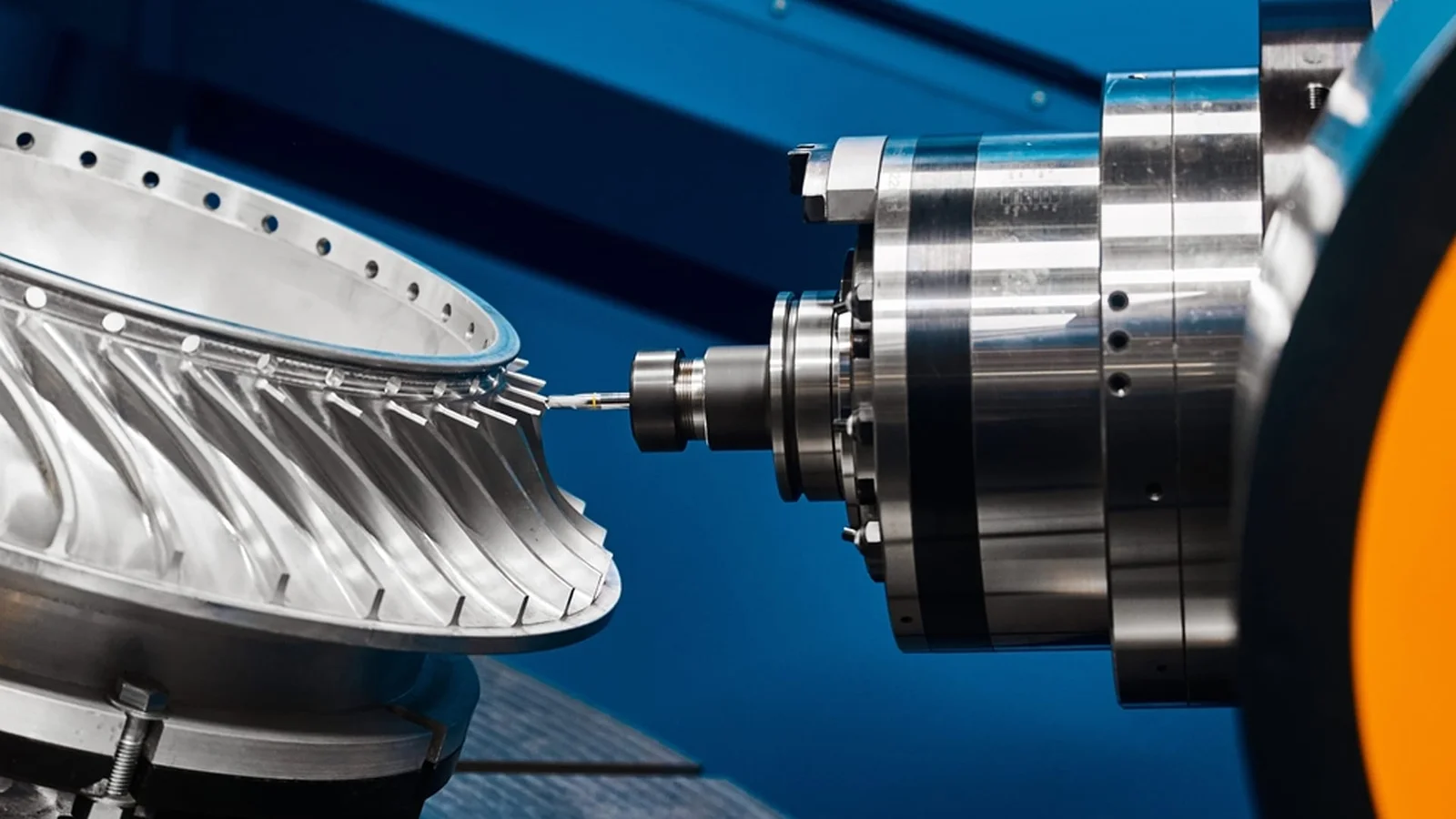
In the evolving landscape of global industry, precision machining remains at the core of modern manufacturing innovation. As products become smaller, more complex, and performance demands more stringent, machining technologies are being pushed far beyond traditional turning and milling. Today’s engineers and manufacturers must understand not just how these processes work, but why they are strategic assets in engineering worldclass products.
While many technology platforms focus on digital tools and software, the physical manufacturing processes that underpin virtually every product—from medical implants to automotive systems—are equally instrumental in shaping innovation. Understanding trends in machining can help professionals across sectors make smarter design, sourcing, and production decisions.
The Critical Role of Precision Components
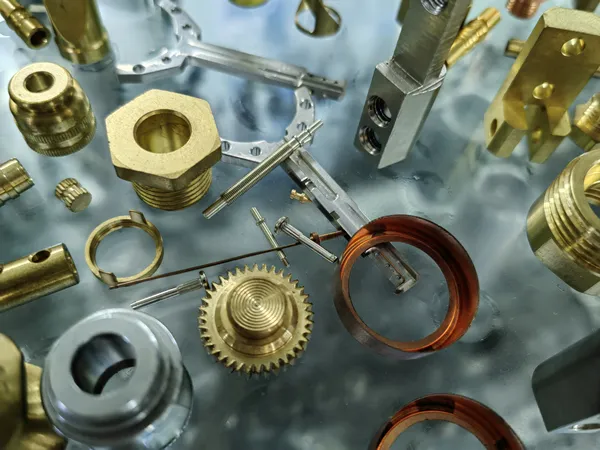
Precision components are the unsung heroes of engineered assemblies. Even the smallest mechanical parts must meet strict specifications to ensure proper fit, function, and reliability. In many assemblies, elements like shafts, fasteners, and machined profiles serve as the backbone of mechanical motion and structural integrity.
For instance, precision manufactured screw machine products are widely used across industries such as aerospace, electronics, and industrial automation due to their repeatability and dimensional fidelity. These parts are typically produced in large volumes with consistent quality, making them essential to highthroughput manufacturing. Custom screw machine components often reduce assembly complexity and enhance performance while maintaining cost efficiency over long production runs.
Integration of Swiss Machining into HighPrecision Production
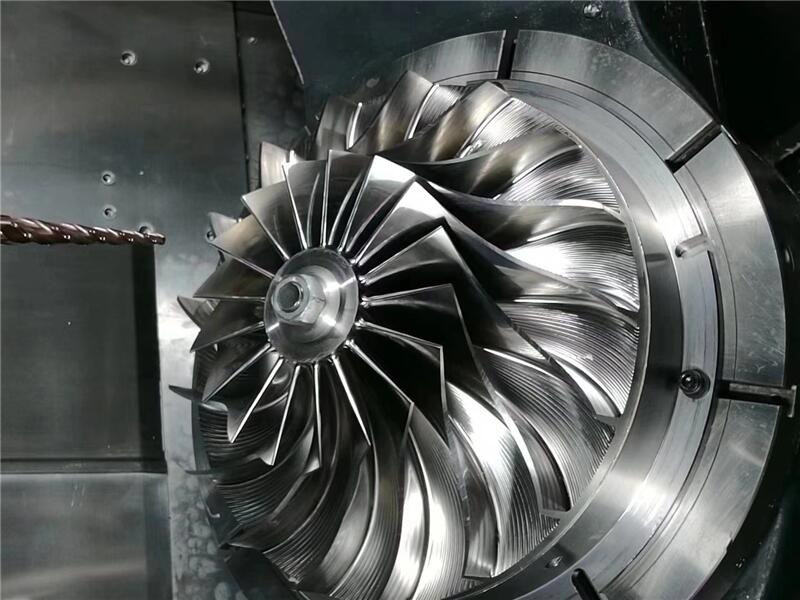
A significant advancement in highprecision part production has been the integration of Swiss machining techniques. Swisstype lathes were originally developed for producing long, slender parts with tight tolerances, but modern implementations extend their utility to a wide variety of geometries and materials.
Swiss machining’s capability to handle complex profiles with minimal deflection makes it ideal for producing intricately detailed components without multiple setups or secondary finishing. This technology supports materials ranging from stainless steels to advanced alloys used in medical devices and aerospace hardware.
Understanding precision Swiss machining services empowers engineers to optimize designs for manufacturability. By planning for features that leverage Swiss machining’s strengths—such as concentricity, microtolerances, and minimal surface finish variability—product developers can deliver parts that meet strict functional criteria while reducing production cycles.
Custom Machining in the Age of Industry 4.0
As manufacturing embraces digital transformation, custom machining remains a vital bridge between design intent and tangible products. Highly specialized components—often tailored to applicationspecific requirements—are manufactured through collaborative engineering and advanced CNC processes. Whether it’s a prototype iteration or a lowvolume specialized run, the flexibility to produce bespoke parts efficiently is a competitive advantage.
Because custom machining takes shape from detailed engineering specifications, the ability to work with experienced partners ensures part quality aligns with functional performance. Collaborative manufacturers can translate critical design nuances into stable manufacturing processes that minimize errors and lead times.
One such partner—recognized for its broad machining capabilities—is Falcon CNC Swiss, a brand known for integrating precision CNC techniques with flexible engineering support. Partnering with experienced machining services allows teams to focus on innovation while relying on established expertise in part production.
Digital Manufacturing and Smart Machining
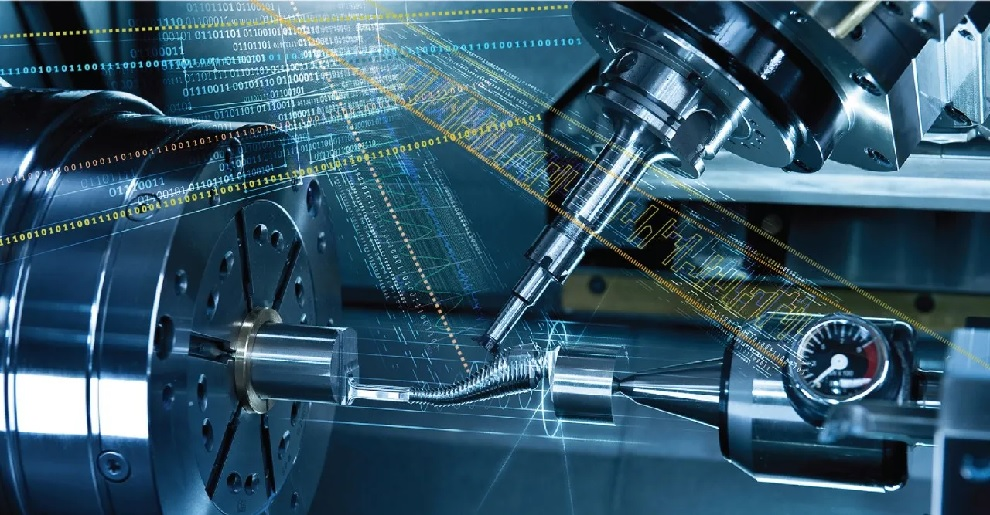
Manufacturing today is not just mechanical; it is increasingly digital. Industry 4.0 initiatives are reshaping machining environments with networked machines, realtime monitoring, and datadriven optimization. Smart machining involves sensors and analytics that can predict tool wear, optimize cutting parameters, and identify anomalies before they affect quality.
This integration of data systems with physical machining tools has several benefits:
- Reduced downtime: Predictive maintenance minimizes unplanned stops.
- Higher consistency: Automated feedback enhances repeatability across batches.
- Improved quality control: Realtime data flags deviations immediately.
The synergistic link between digital strategy and traditional machining techniques is creating a more adaptive manufacturing ecosystem—one capable of responding to fluctuating demand and customized production requirements.
Sustainability and Precision Manufacturing
Sustainability has become a central theme across engineering disciplines. Precision machining contributes to sustainable manufacturing by reducing material waste and improving product longevity. Techniques such as highefficiency milling and adaptive cutting reduce energy usage and material loss. Additionally, producing parts right the first time minimizes waste associated with rework and rejects.
Manufacturers committed to sustainability are also optimizing machining processes to reduce carbon footprint and conserve resources. As designers increasingly prioritize ecoefficient production, precision machining continues to evolve in harmony with these goals.
Closing Thoughts: Why Machining Matters
Despite the growing emphasis on additive manufacturing and digital tools, subtractive processes like precision machining remain indispensable. They provide the geometric accuracy, material integrity, and surface quality required by modern applications in sectors such as automotive, aerospace, medical devices, and consumer electronics.
Understanding the strategic role of advanced machining technologies—particularly in how they complement digital transformation and sustainability trends—can help engineers and manufacturing leaders design better products more efficiently. By combining traditional manufacturing virtues with modern engineering insights, the industry continues to push the boundaries of what is possible.
