

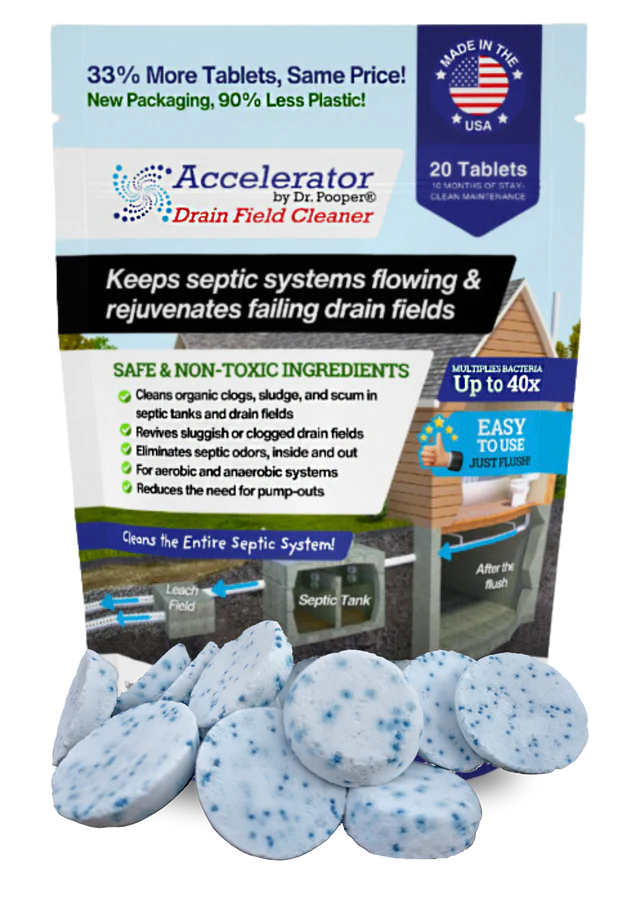
If you live in a house with a septic tank, you already know one thing for sure: when it works, nothing bothers you. But when it doesn’t, it becomes the biggest problem of your life.
Most issues don’t show up as a full problem straight away. It’s usually the small changes: water takes longer to drain, or a smell appears and then disappears again. Everything still works, but not quite the way it used to. At that point, people start looking for ways to keep the system healthy without tearing anything up. That’s where septic tank treatment tablets enter the picture.
They are often described as a simple solution. Drop one in the toilet, flush, and walk away! But that simplicity can make them sound vague or even suspicious. To understand whether they are useful, it helps to look at how septic tanks actually work day to day.
What is a Septic Tank and How Does it Work?
A septic tank is basically a holding space for wastewater, where septic tank treatment tablets help manage and break down everything that leaves your house and ends up there.
This includes:
- Toilet waste
- Water from sinks and showers
- Laundry water
Once inside the tank, gravity does most of the sorting. Heavy material sinks. Grease floats. Liquid sits in the middle and slowly moves out into the drainage area.
The important part is what happens to the solids. They are broken down over time. That breakdown depends on bacteria.
Without bacteria, the tank would fill up quickly and stop working properly.
Why Bacteria Can Become a Problem
In theory, bacteria should look after themselves. In reality, everyday life interferes. Things that can reduce or upset bacterial activity include:
- Strong cleaning products
- Bleach
- Antibacterial soaps
- Certain medications
- Long periods when the house isn’t used
When bacteria struggle, waste breaks down more slowly, sludge builds up faster and smells become more noticeable. Drains don’t clear as easily.
This doesn’t mean the system has failed. It means it’s under strain.
So What Are The Tablets Meant to Do?
Septic tank treatment tablets are designed to support the biological side of the system. They usually contain:
- Bacteria that digest organic waste
- Enzymes that help break down solids, grease, and paper
They are not cleaning chemicals. They don’t dissolve waste instantly. Their job is simpler than that. Most people use them as part of routine care, not as an emergency fix.
How Do These Tablets Work?
There’s no special process involved. You put the tablet in the toilet and flush as normal. The tablet dissolves as it moves through the system. Once it reaches the tank:
- Bacteria spread through the contents
- Enzymes begin working on waste materials
- Digestion becomes a little more efficient
This doesn’t cause sudden changes. It’s gradual, and over time, conditions inside the tank become more stable.
What is the Tablet Made Up Of?
Formulas differ, but most tablets rely on the same basic idea. Here’s a simple overview:
| Content | Purpose |
| Bacteria | Feed on organic waste |
| Enzymes | Help break down solids and fats |
| Support ingredients | Help bacteria survive in the tank |
Why Some People Use Tablets and Others Don’t
It’s true that some septic systems work fine without any additives. Good design, sensible water use, and regular pumping go a long way. But homes aren’t controlled environments. Cleaning habits change. Water use changes. Sometimes the house sits empty. Sometimes it’s under heavy use. People often turn to tablets because they:
- Help after pumping
- Support recovery after chemical use
- Reduce mild odours
- Help keep waste breaking down steadily
When Tablets Tend to Be Most Helpful
Most users stick to a monthly routine. Tablets can be useful:
- After the tank has been emptied
- In properties that aren’t used year-round
- In homes with frequent cleaning
- When early signs of slow drainage appear
They are not designed to fix serious faults. They work best before problems escalate.
How to Use Septic Tank Treatment Tablets the Right Way
There’s no need to access the tank itself. Typical use looks like this:
- Drop the tablet into a toilet
- Flush
- Avoid strong cleaners at the same time
That’s all. The tablet does the rest on its own.
What Tablets Can Help With — and What They Can’t
It’s important to be realistic. Tablets may help with:
- Supporting bacterial balance
- Improving waste digestion
- Reducing mild odours
- Keeping the system steady
They won’t:
- Repair damaged tanks
- Fix blocked drainage fields
- Eliminate the need for pumping
- Solve serious mechanical issues
They’re maintenance tools, nothing more.
A Few Practical Points
If you do use tablets:
- Follow the suggested dosage
- Don’t use more than recommended
- Avoid flushing harsh chemicals at the same time
After pumping, many people wait a few weeks before adding tablets so natural bacteria can establish first.
Conclusion
Septic tank treatment tablets aren’t a cure and they aren’t a shortcut either. What they offer is support. They help bacteria do their job more consistently. They reduce the chance of minor issues building up. They make day-to-day system behaviour more predictable. Used with realistic expectations and sensible household habits, they can play a useful role in keeping a septic tank working quietly in the background. Which, for most people, is exactly where they want it.
