

Introduction
Taekwon-Do is one of the most recognized and respected martial arts in the modern world. While many martial arts focus on strength, grappling, or weapons, taekwon-do stands out because of its balance between physical power, mental discipline, and moral values. Originating in Korea, this art has grown into a global practice followed by millions of students across different cultures and age groups. What makes taekwon-do special is not only its powerful kicking techniques but also its strong emphasis on character building, self-control, and respect. In today’s fast-paced world, people are looking for martial arts that teach both self-defense and personal growth, and taekwon-do meets these needs in a unique way. This article explores how taekwon-do differs from other martial arts, why it remains relevant today, and how it continues to shape modern training methods while staying true to its roots.
The Historical Roots That Shape Taekwon-Do
Taekwon-Do has a history that deeply influences how it is practiced today. Unlike some martial arts that developed slowly over centuries, taekwon-do was formally organized in the mid-20th century, combining traditional Korean fighting methods with modern training ideas. This clear structure helped taekwon-do spread quickly around the world. Its founders wanted to create a system that was not only effective in combat but also suitable for education, discipline, and self-improvement. Because of this goal, taekwon-do includes clear patterns, rules, and philosophies that guide students step by step. Many modern martial arts focus mainly on competition or street defense, but taekwon-do keeps a strong connection to its original purpose of developing both body and mind. This blend of tradition and modern organization allows taekwon-do to stand firm among other martial arts while still evolving with time.
A Strong Focus on Kicking Techniques
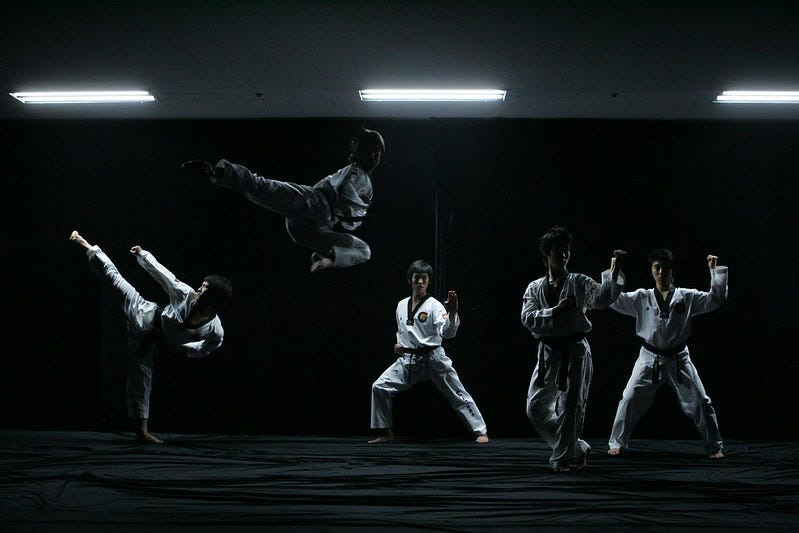
One of the most noticeable features of taekwon-do is its powerful and dynamic kicking techniques. While many martial arts emphasize hand strikes, throws, or ground fighting, taekwon-do places a strong focus on kicks that are fast, high, and precise. These kicks are not just for show; they are trained to be effective and controlled. Students spend years improving balance, flexibility, and timing, which are key skills in taekwon-do. This focus makes taekwon-do visually exciting and physically demanding. Compared to other martial arts, the kicking style in taekwon-do helps practitioners develop strong legs and sharp reflexes. It also teaches distance control, which is important for self-defense. Because of this unique kicking system, taekwon-do is often chosen by people who enjoy movement, agility, and athletic performance within martial arts training.
Mental Discipline and Moral Values
Taekwon-Do is not only about physical techniques; it strongly emphasizes mental discipline and moral values. From the first day of training, students learn principles such as courtesy, integrity, perseverance, self-control, and indomitable spirit. These values guide behavior both inside and outside the training hall. Many modern martial arts focus mainly on winning matches or mastering techniques, but taekwon-do goes further by teaching students how to become better individuals. This mental training helps students manage stress, build confidence, and develop respect for others. The structured environment of taekwon-do classes encourages focus and responsibility, especially for young learners. This strong moral foundation is one reason taekwon-do is often recommended for children and teenagers. Among martial arts, taekwon-do stands out as a system that shapes character as much as physical ability.
Structured Training and Clear Progression
Another way taekwon-do stands out among martial arts is its clear and organized training system. Students progress through colored belts to black belt levels, with each stage teaching specific skills and knowledge. This structure helps students set goals and stay motivated over time. In taekwon-do, progress is earned through consistent effort, discipline, and understanding, not just natural talent. Many martial arts have ranking systems, but taekwon-do is especially known for its detailed patterns and testing requirements. These patterns help students practice techniques in a controlled and meaningful way. The clear progression system makes taekwon-do suitable for people of all ages and fitness levels. It also allows instructors to track development easily and provide proper guidance. This organized approach is a major reason taekwon-do remains popular in schools, clubs, and community centers worldwide.
Adaptability to Modern Life
Taekwon-Do has proven its ability to adapt to modern lifestyles without losing its core identity. In today’s world, people are busy with school, work, and family responsibilities, and taekwon-do training is flexible enough to fit these schedules. Classes can be adjusted for different age groups, from young children to adults and seniors. Modern taekwon-do also includes safety equipment and controlled sparring, making it accessible and safe. Compared to some martial arts that require intense full-contact training, taekwon-do offers a balanced approach. It allows students to improve fitness, learn self-defense, and enjoy competition if they choose. This adaptability helps taekwon-do remain relevant in a changing world, where people seek practical and enjoyable ways to stay active and focused through martial arts.
Global Reach and Cultural Respect
Taekwon-Do is practiced in nearly every country, making it one of the most global martial arts today. Its international spread has helped build cultural understanding and respect among practitioners from different backgrounds. Training in taekwon-do often includes learning about Korean culture, traditions, and terminology, which adds educational value. Despite its global reach, taekwon-do maintains consistent standards and teachings, allowing students to train anywhere in the world with shared understanding. This unity sets taekwon-do apart from some martial arts that vary greatly between regions. International competitions, seminars, and exchanges further strengthen the global taekwon-do community. This worldwide connection gives students a sense of belonging and pride, making taekwon-do more than just a physical activity but a shared cultural experience within martial arts.
Self-Defense and Personal Confidence
Self-defense is an important reason many people choose to study martial arts, and taekwon-do offers practical skills for personal safety. The techniques taught in taekwon-do focus on awareness, distance control, and quick responses. Students learn how to protect themselves while avoiding unnecessary harm. This approach builds confidence and calmness in stressful situations. Unlike some martial arts that rely heavily on ground fighting, taekwon-do emphasizes staying on one’s feet, which can be useful in everyday environments. Beyond physical defense, taekwon-do helps students develop confidence through achievement and discipline. Each belt earned represents growth and effort, boosting self-esteem. This combination of practical self-defense and personal confidence makes taekwon-do a strong choice among modern martial arts.
Conclusion
Taekwon-Do stands out among modern martial arts because it offers a complete system that balances physical skill, mental strength, and moral values. Its rich history, powerful kicking techniques, structured training, and strong ethical foundation make it unique and effective. Taekwon-do adapts well to modern life while keeping its traditions alive, allowing people of all ages to benefit from its teachings. With its global reach and focus on personal growth, taekwon-do is more than just a form of exercise; it is a way of life. In a world where many martial arts focus on competition or combat alone, taekwon-do continues to shine as a discipline that builds strong bodies, focused minds, and respectful individuals.
