

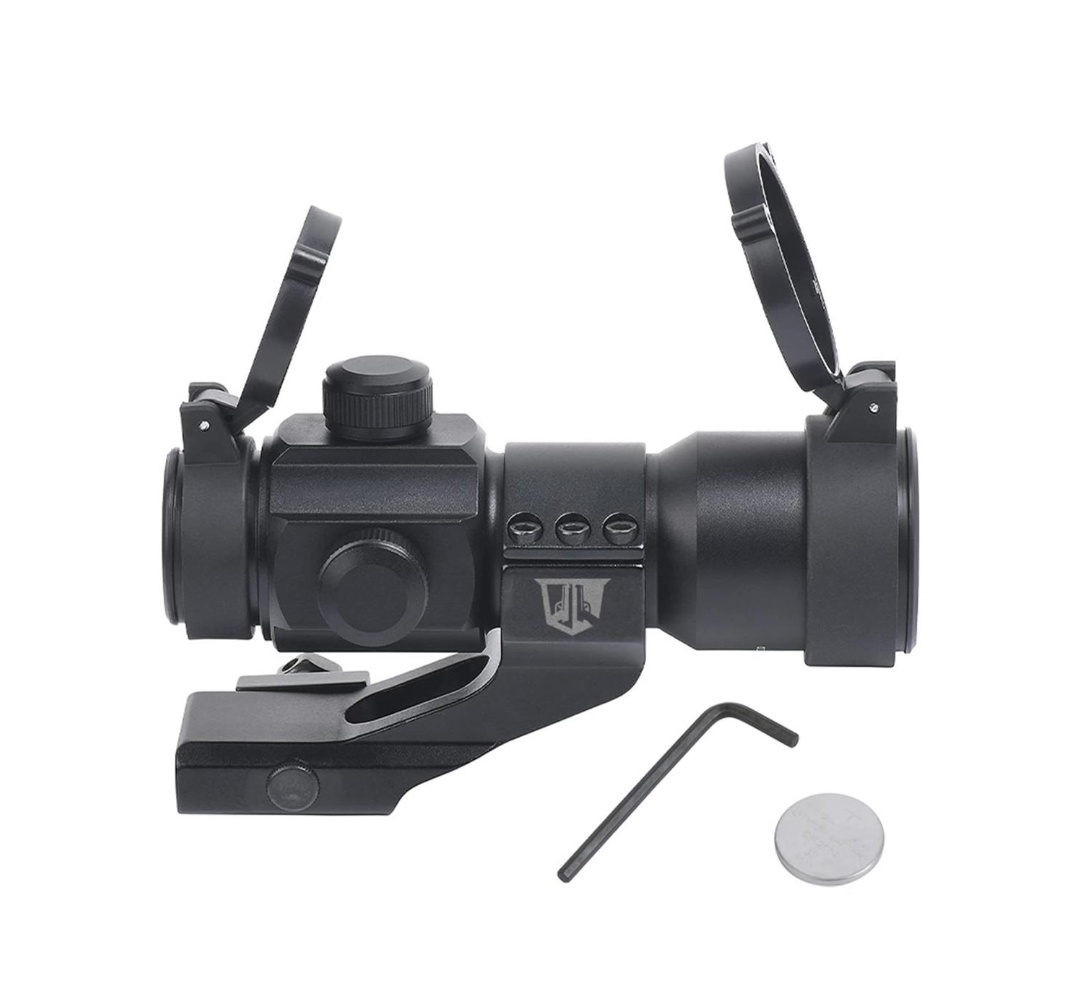
Picture this: You’re at the range, lined up for the perfect shot, when your red dot suddenly goes dark. Dead battery, impact damage, or electronic failure; it doesn’t matter why. What matters is whether you have a reliable backup sight system ready to keep you shooting accurately.
Optics fail at the worst possible moments. Modern red dots and scopes are reliable, but they’re still electronic devices vulnerable to battery death, moisture damage, and mechanical failure. Smart AR-15 owners prepare for these inevitable failures with properly configured backup sight systems.
Tactical AR-15 accessories designed for real-world performance from manufacturers like Ozark Armament provide the reliability you need when primary optics fail. Building the perfect backup sight system requires understanding co-witnessing, offset options, proper installation, and ongoing maintenance to ensure your backup sights work when you need them most.
Choosing Between Fixed and Flip-Up Backup Iron Sights
Every AR-15 with mounted optics needs backup iron sights for complete reliability. Electronic optics offer significant advantages but depend on batteries and delicate components. Backup iron sights provide mechanical reliability without electronics or complex mechanisms.
Fixed backup sights offer maximum reliability with no moving parts to fail. They’re always deployed and ready for immediate use. Flip-up backup sights provide cleaner sight pictures when folded, but add mechanical complexity that can fail under stress.
Choose fixed sights for defensive applications where reliability matters most. Select flip-up sights when optic window clarity takes priority over absolute reliability. Quality construction matters more than sight type for long-term performance.
Understanding Co-Witness Heights: Absolute vs Lower 1/3
Co-witnessing allows backup iron sights to function alongside mounted optics. Absolute co-witness positions iron sights at the same height as your red dot, creating identical sight pictures. Lower 1/3 co-witness places iron sights in the bottom third of your optic window.
Ozark Armament’s co-witness compatible sight options work with the most popular optic mounting heights. Absolute co-witness works best with standard height mounts, while the lower 1/3 requires taller mounts for proper relationships.
Height matching between optic mounts and backup sights determines success. Measure your optic’s centerline height above the rail, then select backup sights designed for that specific relationship. Mismatched heights create unusable backup systems.
When to Use 45-Degree Offset Backup Sights Instead
Standard co-witnessing becomes problematic with magnified optics. Low-power variable optics and traditional scopes create sight picture issues when using co-witnessed backup iron sights. Magnification makes iron sight use difficult through the primary optic.
45-degree offset sight systems mount backup sights at angles that clear your primary optic completely. You can’t tilt the rifle 45 degrees to bring offset sights into your sight picture. This provides instant backup capability without removing your primary optic.
Ozark Armament’s 45-degree offset sight solutions offer reliable backup for magnified optic setups. Offset transitions require practice but become instinctive with training. Choose offset systems for magnified optics or tactical environments requiring rapid transitions.
Proper Installation and Zeroing of Backup Sight Systems
Proper installation requires quality tools and correct torque specifications. Mount backup sights before installing your primary optic when possible. This allows easier access and ensures sights don’t interfere with optic installation.
Co-witnessed backup sight zeroing starts with your primary optic properly zeroed. Adjust backup sights to match your optic’s point of impact at the same distance. Most systems zero at 50 yards for usable accuracy from close range to several hundred yards.
Offset sight systems require independent zeroing since they don’t share the same sight plane. Zero offset sights at 25 to 50 yards for close-quarters backup applications. Document zero settings and test under realistic conditions beyond static shooting.
Training and Maintaining Your Backup Sight System
Regular inspection prevents failures during critical moments. Check mounting hardware for looseness and inspect components for damage. Clean sight components carefully to avoid disturbing zero settings. Quality backup sights resist environmental damage better than cheap alternatives.
Training with backup sights maintains proficiency that deteriorates without practice. Schedule regular sessions focusing on transitions from primary optics to backup systems. Practice various scenarios: battery failure, optic damage, and environmental conditions.
Transition training should include deploying flip-up sights quickly and transitioning to offset systems smoothly. Speed matters less than reliability initially. Advanced configurations can include multiple backup systems for critical applications requiring maximum redundancy.
Backup Sight Compatibility with Different Optic Types
Different primary optics require specific backup sight considerations. Red dot sights work well with both co-witnessed and offset backup systems. Variable power scopes typically require offset backup sights due to magnification limitations.
Holographic sights function similarly to red dots for co-witnessing purposes. Fixed power scopes may allow co-witnessing depending on magnification levels. Night vision compatible optics often need specialized backup sight configurations.
Consider your primary optics’ limitations when selecting backup systems. Plan for likely equipment changes and upgrades. Quality backup sights adapt to different optic configurations and mounting systems for long-term versatility.
Complete Your AR-15 Backup Sight System with Ozark Armament
Ozark Armament’s backup sight solutions deliver the reliability you need when primary optics fail. Their precision manufacturing ensures backup sights maintain accuracy and zero retention through demanding use. Quality materials and construction techniques provide long-term reliability that cheap backup sights can’t match.
Complete backup sight systems from Ozark Armament include both co-witness and offset options to meet any application requirement. Whether you need basic backup capability for recreational shooting or mission-critical redundancy for defensive applications, their sight systems deliver consistent performance.
The NO B.S. Lifetime Warranty protects your backup sight investment with comprehensive coverage against manufacturing defects. This warranty demonstrates confidence in product quality while ensuring replacement if problems develop. Critical backup components deserve this level of protection and support.
Real-world testing validates Ozark Armament backup sight performance under demanding conditions. Their sights undergo extensive testing for accuracy, durability, and reliability before reaching customers. This testing ensures backup sights function properly when you need them most.
Customer support includes installation guidance, zeroing assistance, and troubleshooting help for optimal backup sight performance. Their technical team understands backup sight applications and can recommend configurations for specific needs and equipment combinations.
American manufacturing quality ensures consistent specifications and reliable performance for mission-critical backup sight applications. Domestic production provides quality control and customer support that overseas manufacturers can’t match for critical equipment.
Visit Ozark Armament today to explore their complete backup sight systems and build the perfect backup solution for your AR-15 optics setup. Don’t wait until your primary optic fails to discover you need reliable backup sights.
