

A villa is more than just a house; it’s a statement of elegance, history, and architectural grace. These homes often possess a unique character, built with a sense of grandeur and timeless appeal that is hard to replicate. When the time comes for an update, the challenge isn’t just about modernizing the space—it’s about doing so with a delicate touch, enhancing its functionality for contemporary living while preserving the very soul that makes it so special. A successful villa renovation is a balancing act between the old and the new, a thoughtful dialogue between history and modernity.
Embarking on such a significant project requires a clear vision and a deep appreciation for the property’s original design. For homeowners in Chennai looking to breathe new life into their cherished properties, partnering with the Best Interior Designer in Chennai can be the key to navigating this complex process, ensuring that every decision honors the villa’s heritage while catering to a modern lifestyle.
Start by Listening to the House: A Heritage Audit
Before a single hammer is swung, the first and most crucial step is to conduct a thorough ‘heritage audit’ of your villa. Walk through every room and take note of the elements that define its character. These are the details you’ll want to protect, restore, and highlight. Look for:
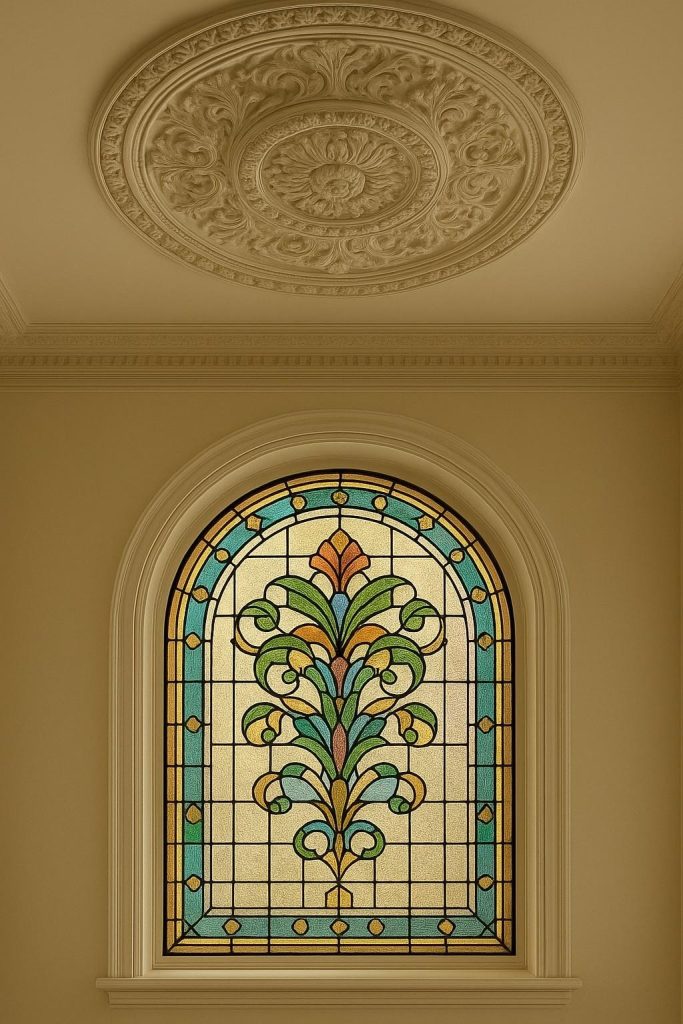
- Original Architectural Features: This includes ornate crown moldings, ceiling medallions, intricate archways, stained-glass windows, and original fireplaces. These are the historical fingerprints of your home and should be treated as treasures.
- Classic Flooring: Many older villas boast beautiful hardwood floors with unique parquet patterns, elegant marble, or charming mosaic tiles. Often, these floors are hidden under layers of carpet and can be restored to their former glory.
- Doors and Hardware: Pay attention to the original solid wood doors, vintage doorknobs, and brass hardware. These small details contribute significantly to the authentic feel of the home.
- The Inherent Layout: While some layout changes may be necessary, understand the
original flow of the villa. The grand entrance foyers, spacious living areas, and high ceilings were designed with a specific purpose and contribute to the home’s majestic feel.
Document these features with photographs and notes. This audit will become your guide, helping you and your design team make informed decisions about what to keep, what to restore, and where to introduce modern elements without clashing with the existing aesthetic.
Modernizing Kitchens and Bathrooms with Sensitivity
The kitchen and bathrooms are typically the areas that require the most significant modernization for functional living. The goal is to integrate contemporary appliances and fixtures without creating a jarring contrast with the rest of the villa.
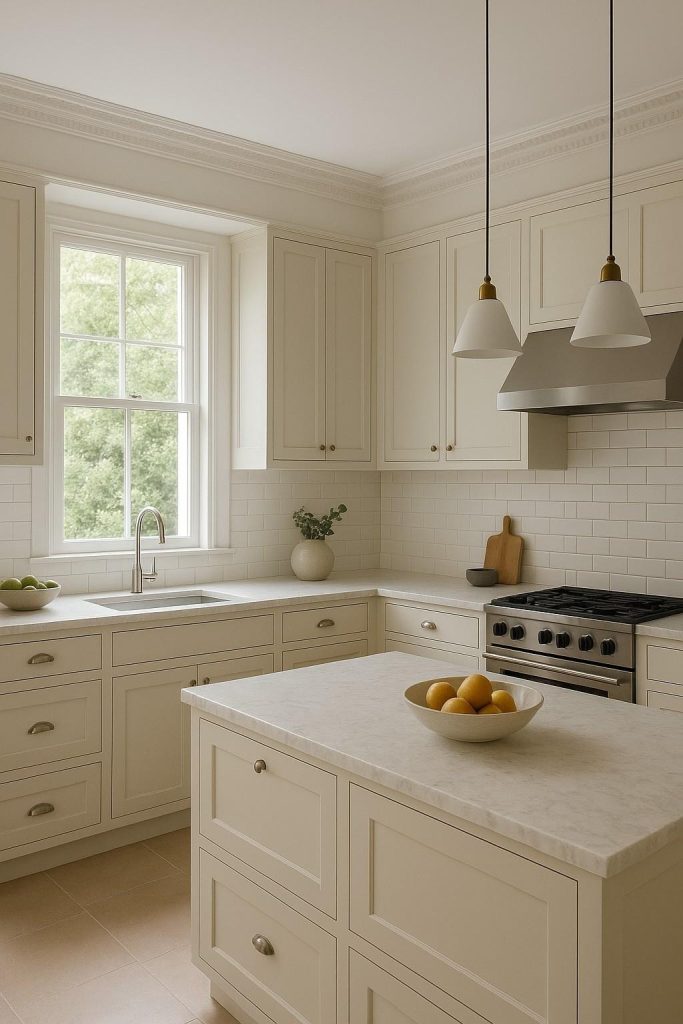
- Timeless Kitchen Design: Instead of opting for ultra-modern, high-gloss cabinets, consider classic styles like Shaker or custom-paneled cabinetry that echo the villa’s architectural details. Use materials that feel both luxurious and timeless, such as marble or quartz countertops, a classic subway tile backsplash, and elegant brass or brushed nickel hardware. Integrating high-end appliances behind custom panels can help them blend seamlessly into the design.
- Spa-like, Classic Bathrooms: In the bathrooms, steer clear of overly trendy fixtures. Opt for classic pedestal sinks, claw-foot bathtubs, or vanities that resemble antique furniture. Use timeless materials like marble tiles, traditional hexagonal or penny tiles on the floor, and
fixtures with a classic silhouette in finishes like chrome or polished nickel. This approach provides modern comfort within a design that feels appropriate for the home’s age.
A Harmonious Palette: Weaving Together Color and Materials
The choice of colors and materials is critical in bridging the gap between old and new. The right palette will highlight the villa’s architectural beauty while creating a fresh, updated feel.
- Sophisticated Color Schemes: While stark white can sometimes feel too clinical in a heritage home, a palette of soft, warm neutrals can create an elegant backdrop. Think of creamy off-whites, sophisticated greiges, and muted earthy tones. These colors allow the architectural details to stand out. Don’t be afraid to use deeper, richer colors like navy blue, forest green, or charcoal in specific areas like a study, library, or powder room to create a sense of drama and intimacy.
- Marrying Materials: The key is to create a seamless blend. If you are extending a room or replacing a damaged section of flooring, try to match the original material as closely as possible. When introducing new materials, choose those that complement the existing ones. Natural materials like wood, stone, linen, and wool work beautifully in a classic setting, adding texture and warmth that honor the villa’s origins.
Strategic Space Planning and Flow
One of the primary reasons for renovating a villa is to adapt its layout to the needs of a modern family. This might involve creating a more open-plan living area or adding an ensuite bathroom. The challenge is to improve the flow and functionality without erasing the home’s original character. This is where the expertise of professional designers becomes invaluable. The right Interior Designers in Chennai For Villas specialize in reimagining these large, often complex spaces in a way that respects their history.
- Consider Cased Openings: Instead of completely removing walls to create an
open-concept space, consider creating wide cased openings. This improves the flow and connection between rooms while retaining a sense of definition and respecting the original structure. The casing can be designed to match the existing moldings, making it feel like an original part of the home.
- Repurpose Rooms Thoughtfully: An old formal dining room might be better suited as a spacious home office or a family library. A small, unused bedroom could be transformed into a luxurious walk-in closet or an ensuite bathroom for the master bedroom. Think about how your family lives and adapt the spaces accordingly, always keeping the home’s scale and proportion in mind.
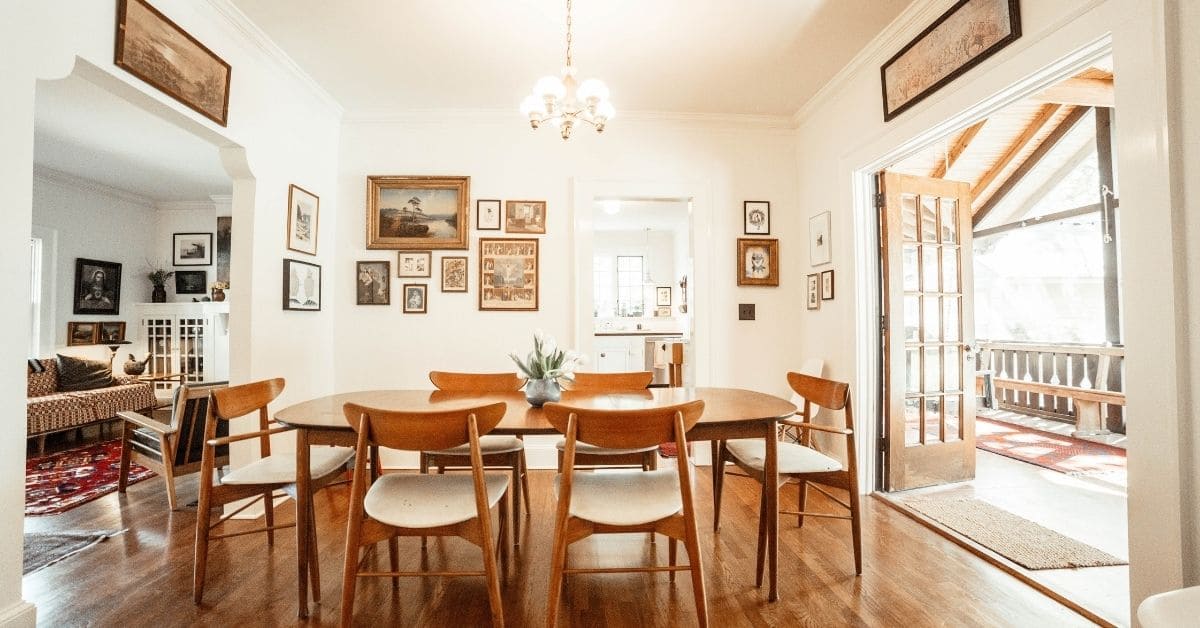
- Enhancing the Indoor-Outdoor Connection: Villas often have beautiful verandas, gardens, or courtyards. Enhance this connection by restoring original French doors or installing new ones that match the architectural style. This not only floods the interior with natural light but also extends your living space into the outdoors, a key feature of modern living.
Lighting: The Final Layer of Charm
Lighting can make or break a renovation. In a villa, a layered lighting plan is essential to create ambiance and highlight its best features.
- Restore and Replicate: If the villa has original chandeliers or sconces, have them professionally restored. If they are missing, source antique or high-quality reproduction fixtures that are appropriate for the home’s era. A grand chandelier in the entrance hall or dining room can serve as a stunning focal point.
- Integrate Modern Lighting Discreetly: Supplement traditional fixtures with modern, less visible lighting. Recessed spotlights can be used to wash walls with light or highlight artwork, while LED strip lighting can be discreetly placed in joinery or under cabinets to provide
functional task lighting. Using dimmers on all light sources will allow you to control the mood and adapt the lighting for any occasion.
Renovating a villa is a journey of respect and creativity. It’s about polishing a historical gem, not recutting it. By carefully preserving its unique architectural details, thoughtfully integrating modern amenities, and choosing materials and colors that create a cohesive narrative, you can craft a home that is both a tribute to the past and a perfect setting for your future. The result will be a space that not only functions beautifully for modern life but also continues to tell its own enchanting story for generations to come.
