

Bently Nevada control systems serve as the backbone of critical industrial operations, providing essential vibration monitoring and machine protection across power generation, oil and gas, and manufacturing facilities. When these systems require maintenance or replacement parts, the stakes couldn’t be higher. A single faulty component can lead to unexpected downtime, costly equipment damage, or even catastrophic system failures that impact entire production lines.
Engineers and maintenance professionals face significant challenges when sourcing spare parts for these sophisticated systems. The market is flooded with options ranging from genuine OEM components to refurbished surplus parts and questionable aftermarket alternatives. Distinguishing between reliable suppliers and those offering substandard products requires careful evaluation. The decision between purchasing new OEM parts versus certified surplus inventory involves balancing budget constraints against long-term reliability and warranty protection. This article provides practical strategies for identifying trustworthy sources, verifying part authenticity, and making informed procurement decisions that protect both your equipment investment and operational continuity.
Understanding Bently Nevada Control System Parts
Bently Nevada, a Baker Hughes business, has established itself as the industry standard for vibration monitoring and machine protection systems across critical industrial applications. Their control systems integrate sophisticated sensors, proximity probes, monitors, and communication modules that continuously assess machine health in real-time. These systems detect anomalies in rotating equipment—turbines, compressors, pumps, and generators—before minor issues escalate into catastrophic failures.

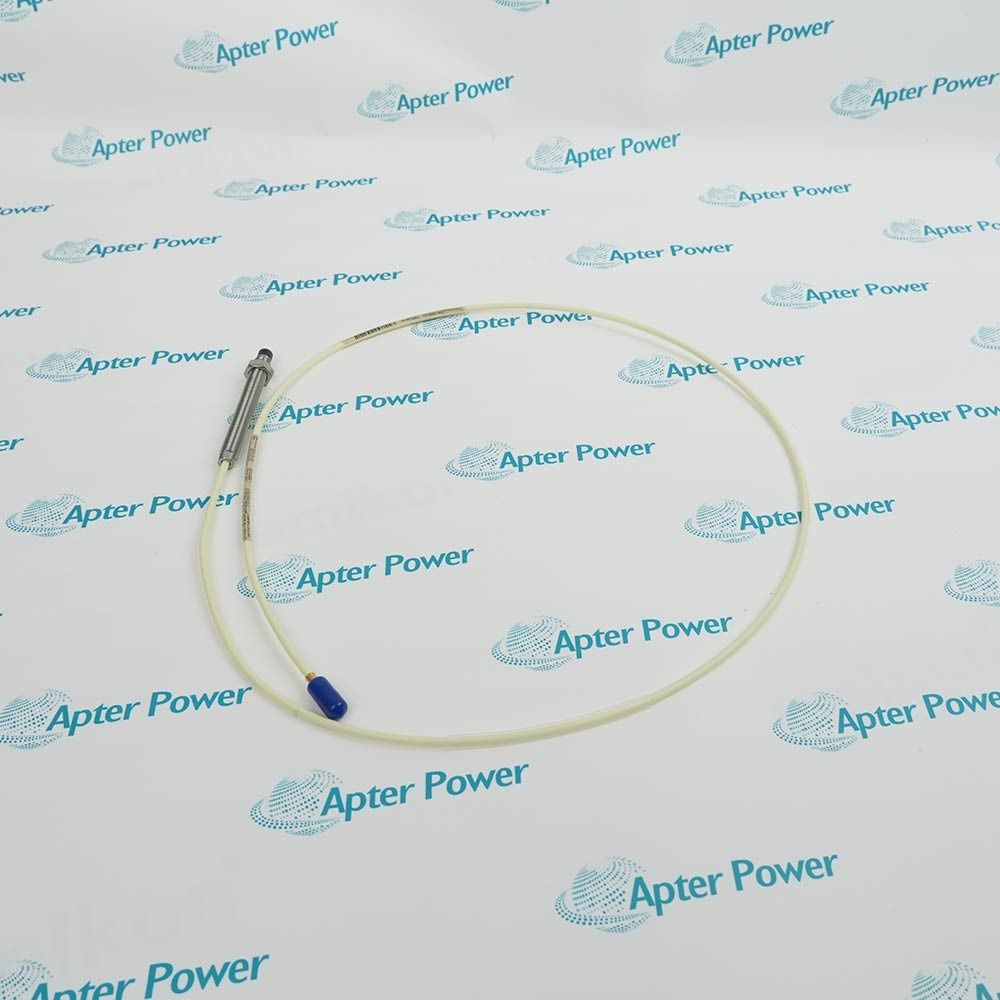
The architecture of these systems relies on interconnected components working in precise harmony. Take the 330130-040-00-00 extension cable as an example: this seemingly simple component transmits critical vibration data from proximity probes to monitoring systems. Any signal degradation caused by a substandard cable can result in false alarms, missed warnings, or complete monitoring blind spots. Similarly, proximity probes must maintain exact gap voltages and frequency responses, while monitor modules require calibrated circuitry to interpret sensor data accurately.
Quality in these components isn’t negotiable—it’s fundamental to system integrity. A counterfeit or degraded proximity probe might provide readings within acceptable ranges during bench testing but fail under the electromagnetic interference, temperature extremes, and vibration exposure of actual operating conditions. The consequences extend beyond the failed component itself: incorrect vibration readings can trigger unnecessary shutdowns that cost hundreds of thousands in lost production, or worse, fail to detect developing faults that lead to equipment destruction. When your monitoring system protects assets worth millions of dollars, the marginal savings from questionable parts become insignificant compared to the risk exposure they introduce.
OEM vs. Surplus Parts: Making the Right Choice
Genuine Bently Nevada OEM parts come with documented traceability, factory calibration certificates, and full manufacturer backing. These components undergo rigorous quality control processes and meet exact specifications for materials, tolerances, and performance characteristics. When you purchase a 330130-040-00-00 extension cable directly from authorized channels, you receive a component manufactured to original specifications with guaranteed electromagnetic shielding effectiveness and signal integrity. The premium pricing reflects not just the physical component but the engineering validation, quality assurance testing, and technical support infrastructure behind it.
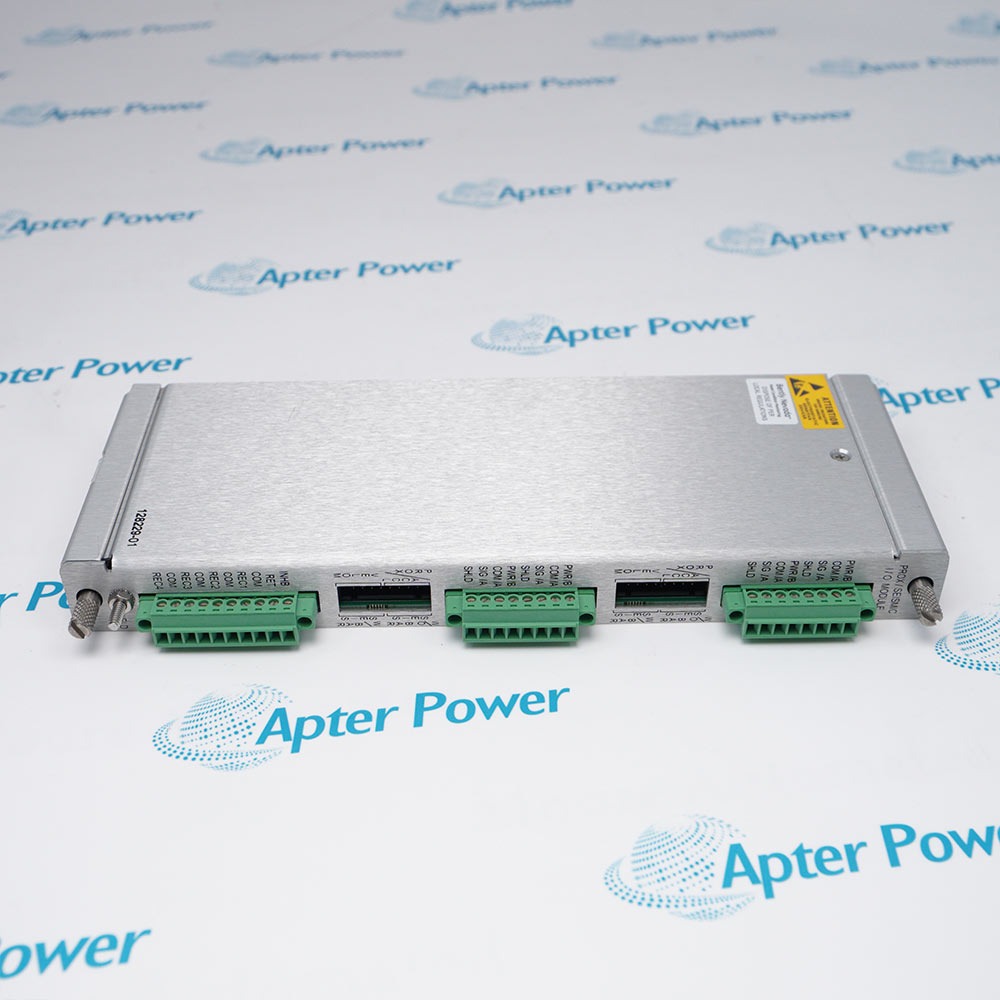
Surplus parts represent a middle ground that can deliver substantial cost savings without compromising reliability—when sourced correctly. Legitimate surplus inventory typically comes from overstocked projects, facility upgrades, or decommissioned systems where components were removed before reaching their service life limits. A certified surplus proximity probe that spent two years in climate-controlled storage rather than ten years in a corrosive industrial environment can perform identically to new stock at 40-60% of OEM pricing. The critical qualifier is “certified”—reputable surplus dealers provide documentation of component history, conduct incoming inspections, and offer meaningful warranties.
Risk assessment should drive your sourcing decision based on application criticality and budget realities. For primary protection systems monitoring turbines in base-load power generation, OEM parts provide the lowest risk profile and maximum warranty protection. Surplus parts become viable for redundant monitoring channels, non-critical equipment, or situations where immediate availability outweighs cost considerations. Aftermarket alternatives from unverified sources introduce unacceptable risk regardless of price—the savings evaporate the moment a questionable component causes a missed fault detection or false trip.
Warranty Considerations
OEM warranties typically extend 12-24 months and cover both component defects and consequential damages within defined limits. If a new Bently Nevada monitor module fails and causes a system shutdown, the manufacturer’s warranty addresses the failed component and may contribute to associated losses depending on the service agreement. This warranty transfers through authorized distribution channels and remains valid provided installation follows manufacturer guidelines. The warranty also ensures access to technical support resources and firmware updates throughout the coverage period.
Surplus part warranties vary dramatically by supplier, ranging from 30-day functional guarantees to comprehensive 12-month coverage matching OEM terms. Reputable surplus dealers back their inventory with warranties that reflect their confidence in component condition and testing processes. A 90-day warranty on a surplus cable assembly suggests the supplier has verified continuity and insulation resistance but hasn’t conducted extended reliability testing. Compare this against a supplier offering only a 14-day return window—they’re essentially selling “as-is” inventory with minimal quality verification. The warranty period directly correlates with long-term reliability expectations and should factor prominently in total cost of ownership calculations alongside the initial purchase price.
Reliable Sourcing Strategies for Engineers
Authorized Bently Nevada distributors maintain direct relationships with the manufacturer and adhere to strict quality standards for inventory handling and customer support. Baker Hughes publishes a list of authorized partners on their official website, organized by geographic region and specialization. These distributors receive factory training, access to technical bulletins, and genuine OEM inventory with full traceability. When you purchase through these channels, you’re not just buying a component—you’re accessing the manufacturer’s technical expertise and warranty infrastructure. Contact information verification is essential: legitimate distributors prominently display their authorization credentials and provide direct manufacturer references upon request.
Part authenticity verification begins with documentation review. Genuine components include serialized labels, factory calibration certificates, and packaging with holographic security features. Request certificates of conformity that trace the component back to its manufacturing batch and quality inspection records. For electronics like monitor modules, firmware version verification through the system interface confirms authenticity—counterfeit units often run outdated or modified code that lacks the latest safety patches. Physical inspection reveals quality indicators: precision machining on connector housings, consistent solder joints on circuit boards, and materials that match OEM specifications for weight and finish.
Procurement documentation creates an audit trail that protects your organization and validates compliance with quality management systems. Purchase orders should specify exact part numbers including revision codes, require certificates of conformity, and stipulate warranty terms explicitly. Maintain supplier qualification records that document authorization status, business licenses, and quality certifications. For each transaction, archive the complete paper trail: quotes, purchase orders, packing lists, test certificates, and warranty documentation. This documentation becomes invaluable during audits, warranty claims, or failure investigations where component provenance determines liability and insurance coverage.
Evaluating Supplier Reliability
Supplier assessment begins with business fundamentals: years in operation, industry certifications like ISO 9001, and references from customers with similar applications. A distributor specializing in power generation equipment brings domain expertise that a general industrial supplier cannot match. Request customer references and actually contact them—ask specific questions about warranty claim responsiveness, technical support quality, and whether delivered parts matched specifications. Online presence matters too: professional websites with detailed technical resources and transparent contact information signal established operations, while bare-bones sites with only contact forms raise questions about legitimacy. Established suppliers in the automation and industrial spare parts sector, such as Apter Power, typically maintain comprehensive documentation systems and transparent business practices that facilitate supplier qualification processes.
Red flags demand immediate attention and often indicate suppliers to avoid entirely. Prices significantly below market rates—30% or more under authorized distributor pricing—suggest counterfeit goods, salvaged components sold as new, or inventory of questionable provenance. Reluctance to provide documentation, vague answers about component history, or pressure tactics to close sales quickly all indicate problematic suppliers. Be wary of sellers operating exclusively through third-party marketplaces without independent business verification, offering “too good to be true” availability on obsolete parts, or unable to provide manufacturer authorization credentials. When multiple red flags appear together, walk away regardless of pricing—the risk exposure far exceeds any potential savings.
Implementation and Compatibility Checks
Compatibility verification begins before parts arrive at your facility. Cross-reference the exact part number against your system’s bill of materials, paying close attention to revision codes that indicate design changes. A 330130-040-00-00 extension cable differs from a 330130-040-01-00 in specific electrical characteristics that affect system performance. Consult your system documentation to identify firmware version requirements—newer components may require controller firmware updates to function properly. Contact the component manufacturer or authorized distributor with your system serial number and configuration details to confirm compatibility, especially when integrating surplus parts into aging systems where component revisions have evolved over time.
Installation procedures for Bently Nevada components demand strict adherence to manufacturer specifications to preserve warranty coverage and ensure reliable operation. Begin with proper electrostatic discharge precautions—ground yourself and use ESD-safe workstations when handling sensitive electronics. Follow torque specifications precisely when securing cable connections; over-tightening damages connector threads while under-tightening creates intermittent contacts that generate false alarms. Route cables away from high-voltage power lines and variable frequency drives to minimize electromagnetic interference. For proximity probes, verify the gap voltage meets specifications using calibrated measurement equipment before returning the system to service. Document each installation step with photographs and measurement records that create a baseline for future troubleshooting.
Post-installation validation confirms the component functions correctly within your specific operating environment. Conduct static tests first: verify electrical continuity, measure insulation resistance, and confirm proper voltage levels at test points specified in technical manuals. Progress to dynamic testing by running the monitored equipment through normal operating conditions while observing sensor outputs for expected ranges and response characteristics. Compare new readings against historical baseline data to identify any anomalies introduced during component replacement. Execute a controlled shutdown test if applicable to verify that protection functions trigger at correct setpoints. Maintain detailed commissioning records including test results, calibration certificates, and any adjustments made during installation—this documentation validates proper installation and establishes the performance baseline for the component’s service life.
Strategic Procurement for Long-Term Reliability
Sourcing reliable Bently Nevada control system spare parts requires a disciplined approach that balances cost considerations against operational risk. The strategies outlined here—verifying supplier authorization, authenticating component provenance, and conducting thorough compatibility checks—provide a framework for procurement decisions that protect both equipment investments and production continuity. Whether selecting genuine OEM components for critical protection systems or certified surplus parts for less demanding applications, the key lies in understanding your specific risk tolerance and application requirements.
Quality should never be compromised for marginal cost savings when dealing with components that safeguard million-dollar assets and personnel safety. A counterfeit proximity probe or questionable monitor module introduces risks that far exceed any initial purchase price advantage. Establish relationships with authorized distributors who provide documented traceability, meaningful warranties, and technical support infrastructure. Maintain rigorous procurement documentation and validation procedures that create audit trails and verify component authenticity at every step.
For engineers facing immediate spare parts needs or building long-term sourcing strategies, start by consulting Baker Hughes’ authorized distributor network and requesting detailed component documentation before committing to purchases. When challenges arise in verifying authenticity or assessing supplier credibility, engage with industry peers and leverage manufacturer technical support resources—your due diligence today prevents costly failures tomorrow.
