

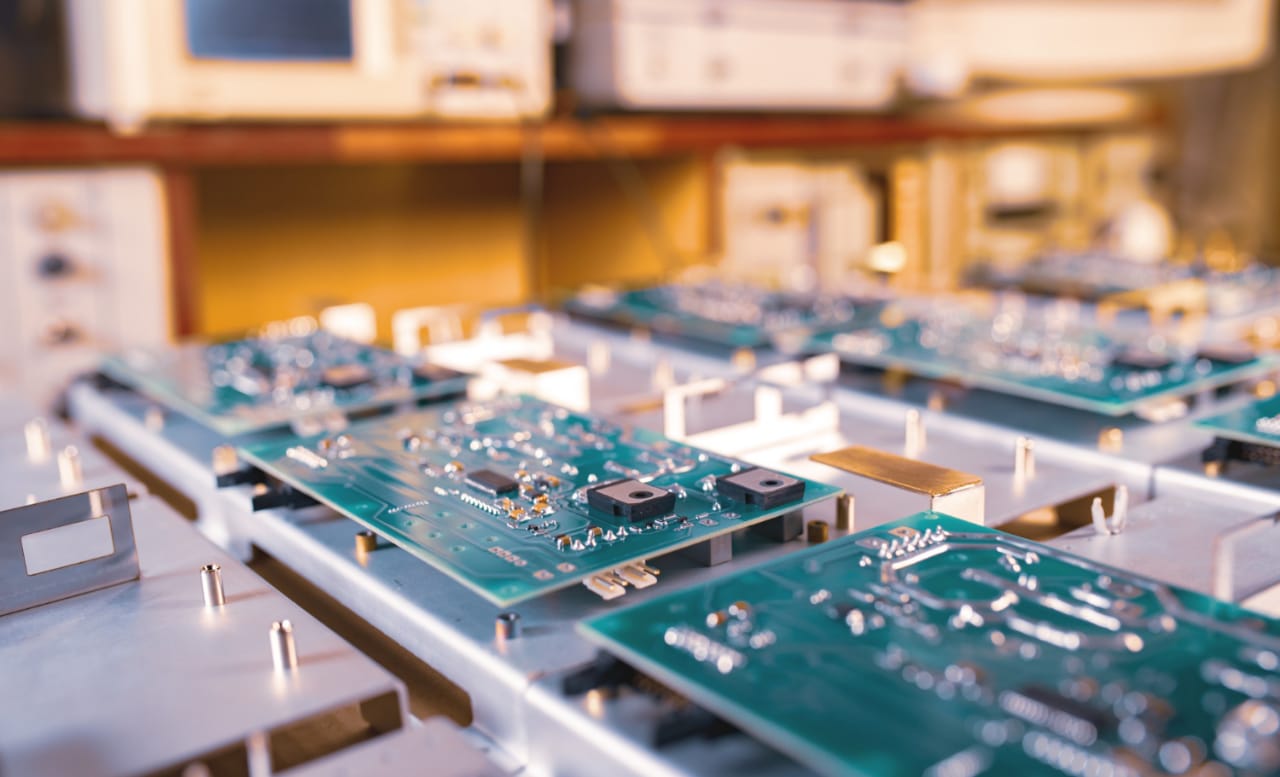
Identifying and preventing counterfeit electronics requires a multi-layered approach that combines supplier control and testing. The task may be simple in some cases and more complex in others, but it is essential for manufacturers of all industries, from medical and aerospace to consumer goods. Counterfeit parts can compromise quality, cause costly recalls, and, in the worst cases, pose serious safety risks.
This article discusses five effective methods that will help you identify and avoid counterfeit electronic components.
1. Sourcing from Trusted Vendors
Establishing strong supply chain management is the most effective way to reduce the risk of counterfeit components.
Experienced electronics manufacturing service providers, such as Poland-based Assel, maintain approved vendor lists (AVL), documenting suppliers who consistently meet quality and compliance standards. They source components from distributors who work directly with manufacturers or authorised channels, as these are far less likely to supply fake parts. On the other hand, they avoid brokers or grey market sources, who are more likely to sell counterfeits.
2. Inspecting Packaging for Authenticity
Often, irregularities can be revealed with careful examination, as counterfeiters frequently cut corners when replicating packaging. It is recommended to pay particular attention to:
- The printing quality, font consistency, and spelling errors on labels and logos;
- Any inconsistencies or irregular numbering patterns on barcodes and serial numbers;
- Damaged or missing holographic seals, tamper-proof stickers, or specialised inks.
However, even if the packaging appears correct, it is not sufficient to confirm the authenticity of the batch. A good practice is to cross-check it with manufacturer databases or contact technical support.
3. Running Electrical and Software Tests
Visual checks can catch obvious fakes, but sophisticated counterfeits often successfully mimic genuine components at the surface level. However, many of them are likely to fail to perform correctly, which can be determined through testing.
Among the common tests used by expert contract manufacturers are:
- Electrical tests that measure voltage, resistance, and other key parameters to ensure they match manufacturer specifications;
- Functional tests that require mounting components on a test circuit board and running them under intended operating conditions. Any abnormal performance, overheating, or premature failure may indicate a counterfeit;
- Firmware or software verification that is applied to programmable parts. It ensures the firmware or microcode is genuine by comparing it with the original manufacturer updates.
4. Using X-ray Inspection
Some counterfeit components have structural discrepancies that cannot be identified through external examination. To uncover them, advanced inspection techniques, such as X-ray analysis, are required. Although more resource-intensive, they are invaluable for critical applications like aerospace, defence, and medical devices, where safety cannot be compromised.
Among the issues that could be revealed by X-ray analysis are:
- incorrect die size and placement;
- inconsistencies in lead frames or voids;
- delamination of internal structures.
5. Additional Anti-Counterfeit Practices
It is highly recommended to cooperate with experienced EMS providers like Assel, who manage supply chains and leverage tracking systems as well as inspection methods to ensure that components come from trusted sources.
Another crucial approach is price vigilance and budgeting for components of the desirable quality. Electronics manufacturers should not fall for deals that appear too good to be true. Unusually low prices are likely an indication that the offer will not provide authentic components.
Final Thoughts
Employing rigorous testing, careful inspection, and verification with trusted sources are recommended practices to reduce the risk of counterfeit components.
Many of the practices above also help protect the final product from hidden defects. Even genuine manufacturers may sometimes deliver inconsistent quality, but thorough examination can catch issues before components are used.
To partner with an experienced electronics manufacturing service provider, visit https://asselems.com/.
