

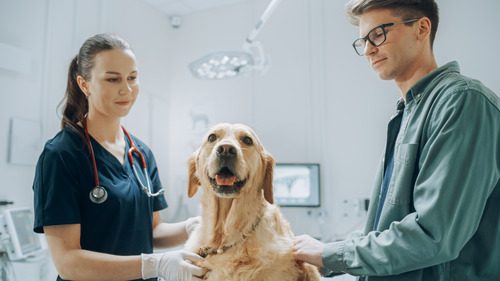
Your pet depends on you to choose safe care. During any procedure, even a simple one, you want to know what really protects your pet. You want clear steps, not guesswork. A Vestavia Hills vet follows strict safety routines before, during, and after every procedure. These routines reduce risk. They also give you clear answers when you feel scared or unsure. In this blog, you will see how teams plan each step. You will see how they watch your pet during anesthesia. You will see how they manage pain and watch for problems after. Each part has one goal. Keep your pet breathing steadily. Keep your pet calm. Keep your pet safe from start to finish. When you know these steps, you can ask stronger questions. You can stand up for your pet. You can walk into the hospital with less fear and more control.
Step 1. Careful check before any procedure
Safety starts before your pet walks into the treatment room. The team gathers facts and looks for hidden risk. That work can feel slow. It protects your pet.
Most hospitals follow steps that match guidance from groups like the American Veterinary Medical Association.
Before a procedure, staff will often:
- Review your pet’s full history and past reactions
- Ask about current medicines and supplements
- Check heart, lungs, weight, and hydration
- Order blood tests to check organs and blood count
- Explain food and water rules before anesthesia
This exam helps the vet choose the safest plan. It also gives you time to ask every hard question. Clear talk is part of safety.
Step 2. Safe anesthesia and sedation choices
Anesthesia feels scary. You picture your pet alone on a cold table. In truth, a trained team watches every breath. They use drugs in careful doses. They adjust the plan if your pet’s body reacts.
Different pets need different drugs. Age, breed, weight, and illness all matter. The vet uses that first exam to choose:
- Type of sedation or anesthesia
- Dose size
- Route such as injection or gas
- Extra fluids for support
Many hospitals also place an IV catheter. That small step gives fast access if your pet needs help in a hurry.
Step 3. Constant monitoring during the procedure
Once your pet is asleep, the real guard work begins. Staff do not just start the procedure and walk away. They watch and record signs every few minutes.
Common monitoring tools include:
- Heart monitor to track rate and rhythm
- Blood pressure cuff
- Pulse oximeter for oxygen levels
- Thermometer for body temperature
- Respiration count by machine and by eye
The team checks the machine readings and also uses hands, ears, and eyes. They watch gum color. They feel pulses. They listen to the chest. That mix of tools and skills keeps your pet safer.
Step 4. Infection control and clean tools
Infection risk rises any time the skin opens. A clean room and clean tools cut that risk. Good hospitals follow strict rules that match guidance from sources like the Centers for Disease Control and Prevention.
To protect your pet, staff will usually:
- Sterilize all surgical tools
- Wear gloves, masks, caps, and clean gowns
- Clip and scrub the skin around the site
- Use sterile drapes around the site
- Clean and disinfect the room between patients
You can ask how the hospital keeps things clean. Direct answers show respect for you and your pet.
Step 5. Pain control and comfort
Pain control is not a luxury. It protects healing. It also keeps your pet from panic and stress.
The vet creates a pain plan that may include:
- Pain medicine before the procedure
- Pain medicine during anesthesia
- Local blocks that numb the site
- Ongoing pain medicine at home
You can ask how the team will know if your pet hurts. Staff watch for small signs like tense muscles, a change in voice, or less movement. Early action keeps pain from growing.
Step 6. Recovery and watching after the procedure
Your pet faces risk as anesthesia wears off. Breathing and heart rate can change. Nausea can cause choking. A strong team stays close until your pet is awake, warm, and stable.
During recovery, staff will often:
- Place your pet on soft bedding
- Keep your pet warm with blankets or warmers
- Watch breathing and heart rate
- Check the incision or treatment site
- Clean any small messes fast to reduce stress
Before you take your pet home, the vet or nurse will review care steps. Clear home care is the last safety wall.
Comparison. What safe hospitals do
You can use the table below to judge safety routines. It shows common steps in strong hospitals compared with weaker ones.
| Safety step | Strong practice | Weak practice |
|---|---|---|
| Pre procedure exam | Full exam and blood work for most pets | Quick look with no tests |
| Anesthesia plan | Custom plan based on age, breed, and health | Same drug and dose for most pets |
| Monitoring | Heart, blood pressure, oxygen, and temperature tracked | Staff check only now and then by eye |
| Infection control | Sterile tools, clean room, scrubbed skin | Limited cleaning and reuse of supplies |
| Pain control | Pain plan before, during, and after | Pain medicine only if you ask |
| Home care instructions | Written steps and clear warning signs | Quick verbal note with few details |
Questions you can ask your vet
Strong hospitals welcome sharp questions. You protect your pet when you speak up. You can ask:
- What tests will you run before the procedure and why
- Who will monitor my pet during anesthesia and how
- What is your plan for pain control
- How do you keep tools and rooms sterile
- What signs at home mean I should call or return
Each clear answer builds trust. Silence or rushed talk can signal risk.
Your role in your pet’s safety
You share the safety job with the hospital. You know your pet best. You see small changes long before anyone else.
To support your pet, you can:
- Share full history and medicine use
- Follow food and water rules before the visit
- Bring your pet on time and calm
- Follow home care steps with care
- Call if anything feels wrong
Careful hospitals do hard work that you never see. When you know these steps, you can choose with clear eyes. You can stand beside your pet with steady hands and a steady voice. That calm strength is the greatest safety net of all.
