

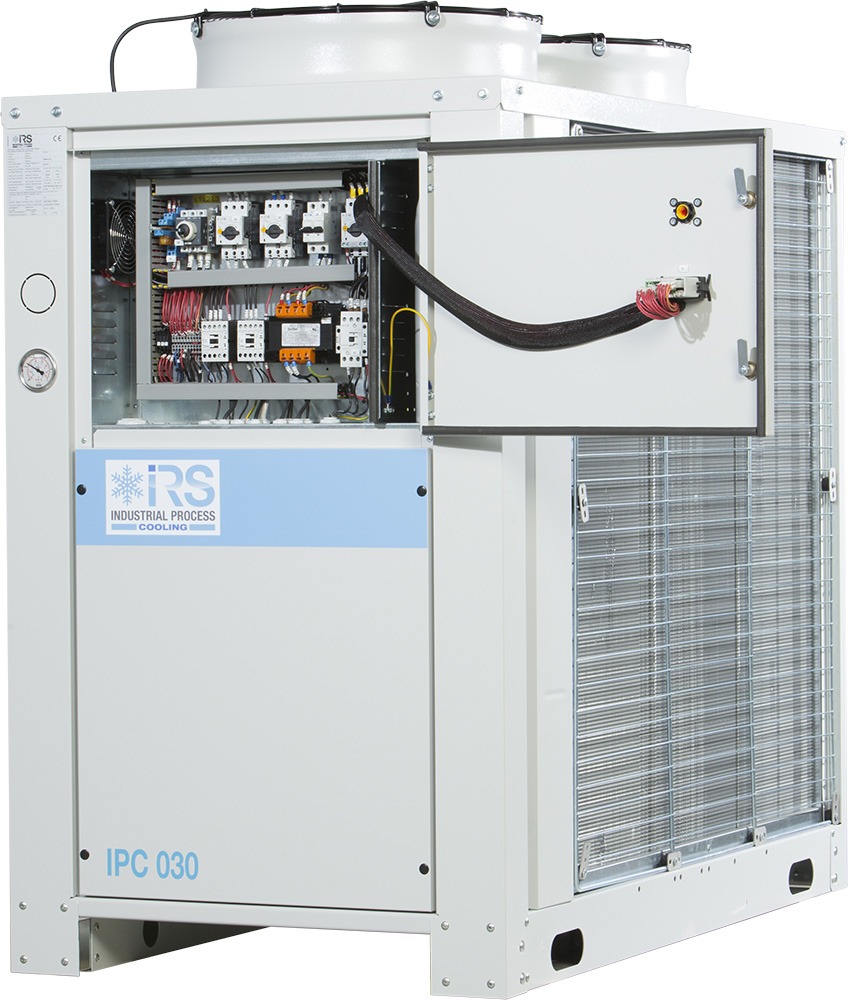
When companies in manufacturing, food processing, mining, or chemical production look for stable temperature control, they often turn to systems built by IRS Refrigeration. Their work shows how vital industrial water chillers have become for any operation that needs consistent cooling to keep equipment safe and production efficient.
Why Industrial Water Chillers Matter
Here is the thing, industrial water chillers sit quietly in the background, yet they influence the entire workflow. These units pull heat away from machinery, products, or processes, then move that heat somewhere it can safely dissipate. Without reliable cooling, temperatures spike, machines slow down, and materials shift in ways that ruin batches.
Industrial water chillers help prevent all of that. They keep production lines steady, protect expensive equipment, and maintain product quality. It is no surprise that factories rely on them the same way they rely on power and compressed air.
How Industrial Water Chillers Work, In Simple Terms
Let us break it down. Industrial water chillers follow a loop that looks like this.
- Water or a glycol mix circulates through a system.
- It absorbs heat from machines, molds, or storage areas.
- The chiller pulls that heat out of the water.
- The cooled water returns to the process and repeats the cycle.
This steady loop keeps temperatures within a tight range. The real skill comes from matching the chiller size, flow rate, and design to the demands of the site. That is where experienced teams step in, because industrial sites rarely have the same cooling needs.
Main Types of Industrial Water Chillers
There are a few categories that show up again and again. Each one has a specific purpose.
Air cooled chillers. These systems use ambient air to remove heat. They are easy to install, reliable, and great for facilities that want a straightforward setup.
Water cooled chillers. These units rely on cooling towers and water circuits. They handle larger loads and deliver strong efficiency, especially in hotter climates.
Portable chillers. These smaller units offer mobility. They work well for workshops or facilities that shift equipment layouts often.
Glycol chillers. When temperatures need to drop below freezing or stay very precise, glycol mixes offer more stability. Many industries with fermentation, storage, or food production lean on them.
Industrial water chillers come in many forms, but the goal stays the same, control heat so production never stops.
Industries That Rely on Industrial Water Chillers
The range is wide, and once you notice it, you see chillers everywhere in the industrial world.
Food and beverage. Cooling tanks, storage rooms, and processing equipment require steady temperatures to protect quality and safety.
Manufacturing. Plastics, metalwork, and electronics production all generate heat. Chillers stop deformation, warping, and breakdowns.
Mining and resources. Heavy machinery and environmental systems need cooling support to operate continuously.
Chemical and pharmaceutical. Reactions and formulations depend on temperature accuracy. Even a small shift can throw an entire batch off balance.
Across these sectors, industrial water chillers quietly handle the temperature load so the rest of the system can run smoothly.
Key Features That Make Industrial Water Chillers Effective
A well designed chiller is more than a cold water unit. Here are things that usually separate the good from the great.
Precision control. Modern control panels let operators tune temperature ranges closely. This creates consistent output with fewer surprises.
Energy efficiency. Compressors, pumps, and heat exchangers have come a long way. Strong efficiency saves significant operating costs over years of use.
Durability. Industrial water chillers need to handle long hours and harsh conditions. High grade components reduce downtime and keep the system stable.
Service access. Easy maintenance matters. Systems built with simple access points reduce repair headaches and shorten breakdown times.
Choosing the Right Industrial Water Chillers for Your Site
What this really means is that businesses need to look beyond the basic cooling capacity. A few details always help guide the right choice.
- Load requirements. How much heat needs to be removed, and how fast?
- Environment. Hot climates, dusty locations, or tight indoor spaces all influence the design.
- Fluid type. Water, glycol blends, and specialty fluids each suit different temperature goals.
- Growth plans. If production might expand, choosing a chiller with room to scale saves money later.
- Maintenance resources. Some facilities have internal technicians, while others rely fully on external support.
A balanced view of these points leads to a chiller that fits the job instead of fighting against it.
Installation and Long Term Care
Proper installation sets the tone for the life of the equipment. Industrial water chillers need correct piping, solid electrical work, and thoughtful placement to allow good airflow or water flow. Once installed, regular inspections keep performance sharp. Cleaning condenser coils, checking pressures, analyzing fluid quality, and keeping pumps healthy all contribute to a stable system.
When chillers run around the clock, having a team available for fast repairs can make the difference between a minor pause and a costly shutdown. Industrial operators understand that temperature control never takes a day off.
The Role Industrial Water Chillers Play in Future Ready Operations
Every year, more industrial processes depend on precise temperature control. As production grows more complex and expectations rise, the quiet reliability of industrial water chillers becomes even more valuable. They sit behind the scenes, taking the heat so everything else can keep moving.
