

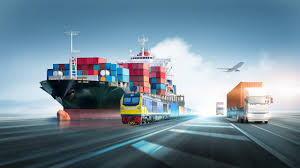
Moving specialized cargo across continents requires more than standard logistics. When shipments involve oversized machinery, temperature-sensitive pharmaceuticals, or high-value artwork, conventional transport methods fall short. The complexity of these movements demands precision, advanced technology, and industry expertise that goes beyond basic delivery services.
Modern supply chains face mounting pressure to handle increasingly intricate shipments while maintaining speed, safety, and cost-effectiveness. Freight transport has evolved dramatically to meet these demands, incorporating cutting-edge solutions that address the unique challenges of complex cargo. From real-time tracking systems to specialized handling equipment, the industry has transformed how it approaches difficult shipments. Understanding these innovations helps businesses make informed decisions about their logistics strategies and ensures their valuable cargo arrives intact, on time, and within budget.
What Makes a Shipment Complex?
Complex shipments share several defining characteristics that set them apart from standard freight. Size and weight often present the first challenge—cargo that exceeds typical container dimensions requires specialized equipment and route planning. A single piece of industrial machinery might weigh 50 tons and measure 40 feet in length, necessitating permits, escort vehicles, and careful coordination with infrastructure authorities.
Temperature sensitivity adds another layer of complexity. Pharmaceutical companies shipping vaccines must maintain precise temperature ranges throughout transit, often between 2°C and 8°C. Any deviation can render products unusable, making climate-controlled transport non-negotiable. Fresh produce, chemicals, and biological samples face similar requirements.
High-value items demand enhanced security measures. Fine art collections, luxury vehicles, and sensitive electronics require specialized packaging, insurance coverage, and often armed escorts. The financial stakes of these shipments mean that standard handling procedures simply won’t suffice.
Regulatory compliance further complicates matters. Hazardous materials must follow strict international protocols, while live animals need welfare certifications and veterinary documentation. Cross-border shipments navigate a maze of customs regulations, export controls, and trade agreements that vary by country and product type.
Advanced Tracking and Visibility Technologies
Real-time monitoring has revolutionized how companies manage complex shipments. GPS tracking devices now offer location updates every few minutes, allowing logistics managers to monitor cargo movement across multiple continents. This visibility proves invaluable when coordinating time-sensitive deliveries or responding to unexpected delays.
IoT sensors have taken monitoring beyond simple location data. These devices track temperature, humidity, shock impact, and even light exposure inside containers. For a pharmaceutical company transporting temperature-sensitive vaccines, sensors provide continuous temperature readings and immediately alert managers if conditions drift outside acceptable ranges. This capability prevents costly losses and ensures product integrity.
Blockchain technology has emerged as a game-changer for documentation and transparency. Smart contracts automatically verify that each party in the supply chain has fulfilled their obligations before releasing payment or transferring custody. This system reduces paperwork, minimizes disputes, and creates an immutable record of the shipment’s journey. A study by DHL found that blockchain implementation can reduce logistics costs by up to 50% for complex international shipments.
Predictive analytics software processes vast amounts of data to forecast potential disruptions. Machine learning algorithms analyze weather patterns, traffic conditions, port congestion, and historical shipping data to recommend optimal routes and departure times. Companies using these systems report 25-30% fewer delays in their complex shipments.
Specialized Equipment and Handling Solutions
Modern freight transport relies on highly specialized equipment designed for unique cargo requirements. Flatbed trailers with hydraulic systems can adjust their height and angle to accommodate oversized loads. Some advanced models feature computer-controlled suspension systems that automatically compensate for road conditions, protecting sensitive equipment from vibration damage.
Climate-controlled containers have become increasingly sophisticated. The latest models maintain multiple temperature zones within a single container, allowing companies to ship different products with varying temperature requirements together. Active pharmaceutical ingredient (API) containers can maintain temperatures as low as -80°C for extended periods, essential for certain biotechnology products.
Customized packaging solutions protect valuable and fragile items. Engineers design specialized crates that account for the specific vulnerabilities of each item. A sculpture might require a custom-built frame with shock-absorbing materials, while an industrial turbine needs reinforced supports that distribute weight evenly and prevent movement during transport.
Lifting and loading equipment has evolved to handle extreme weights safely. Specialized cranes can lift loads exceeding 1,000 tons, while hydraulic gantry systems provide precise control when positioning oversized cargo onto vessels or railcars. These tools minimize the risk of damage during the most vulnerable moments of transport.
Multimodal Transport Strategies
Complex shipments often benefit from combining multiple transportation modes. A single journey might involve trucks, trains, ships, and aircraft, each selected for specific segments based on efficiency, cost, and cargo requirements. This approach, known as multimodal transport, optimizes each leg of the journey while maintaining seamless transitions between modes.
Sea freight handles the bulk of international oversized cargo due to its cost-effectiveness and capacity. Specialized heavy-lift vessels can transport enormous structures like offshore platforms or factory modules. Roll-on/roll-off (RoRo) ships simplify the loading of vehicles and wheeled machinery, reducing handling time and damage risk.
Air freight provides speed for time-critical shipments. Cargo aircraft can transport high-value electronics or emergency medical supplies across continents in hours rather than weeks. Charter flights offer dedicated capacity for oversized items that won’t fit in standard cargo holds. While expensive, air transport proves cost-effective when considering the opportunity costs of delayed delivery.
Rail transport offers a middle ground between sea and air. Trains move large volumes efficiently across continental distances, particularly effective for bulk commodities or multiple units of the same item. Double-stack container trains in North America can transport goods from coast to coast in three to four days at a fraction of air freight costs.
The key to successful multimodal transport lies in coordination. Digital platforms now integrate scheduling across all transport modes, automatically booking connecting services and managing documentation. This integration reduces transit times by 15-20% compared to manually coordinated multimodal shipments.
Risk Management and Insurance Considerations
Complex shipments face numerous risks that standard cargo insurance may not adequately cover. Specialized marine cargo policies account for the unique vulnerabilities of oversized, high-value, or sensitive goods. These policies often include coverage for loading and unloading operations, storage during transit, and even product spoilage due to mechanical failure of refrigeration equipment.
Risk assessment begins long before the shipment moves. Professional surveyors evaluate cargo condition, packaging adequacy, and loading procedures. Their reports identify potential issues and recommend mitigation strategies. This proactive approach can reduce insurance premiums by demonstrating diligence and reducing claim likelihood.
Contingency planning addresses worst-case scenarios. What happens if a specialized transport vehicle breaks down in a remote location? Who provides emergency climate control if refrigeration systems fail? Companies handling complex shipments maintain networks of emergency service providers and backup equipment to minimize disruption impacts.
Documentation plays a critical role in claims resolution. Comprehensive photographic records of cargo condition before, during, and after transport provide evidence in disputes. Time-stamped sensor data proves whether temperature-controlled shipments remained within specifications. This documentation often determines whether insurers approve claims worth millions of dollars.
Regulatory Compliance and Documentation
International shipments navigate a complex web of regulations that vary by country, product type, and transport mode. Customs documentation alone can involve dozens of forms, each requiring precise information about cargo contents, value, and origin. Errors or omissions cause delays that can prove costly for time-sensitive shipments.
Hazardous materials face particularly stringent requirements. The International Maritime Dangerous Goods (IMDG) Code specifies how to classify, pack, mark, label, and document dangerous goods for sea transport. Similar regulations exist for air, road, and rail. Compliance requires specialized training and certification for personnel involved in handling and documentation.
Export controls restrict certain technologies and products from being shipped to particular countries. Companies must screen shipments against government watch lists and obtain appropriate licenses before export. Violations can result in severe penalties, including criminal charges and loss of export privileges.
Environmental regulations increasingly impact freight transport. The International Maritime Organization’s sulfur emission limits have forced carriers to adopt cleaner fuels or install scrubber systems. Some jurisdictions impose additional requirements on refrigerants used in climate-controlled containers. Staying current with evolving environmental regulations requires ongoing monitoring and adaptation.
Sustainability in Complex Freight Solutions
The logistics industry faces growing pressure to reduce its environmental footprint. Complex shipments present unique sustainability challenges due to their specialized equipment and often longer transit routes. However, innovative solutions are emerging that balance operational requirements with environmental responsibility.
Alternative fuels are gaining traction in freight transport. Liquefied natural gas (LNG) powered ships produce 20-25% less CO2 than conventional marine fuel. Electric and hydrogen-powered trucks are entering service for shorter routes, though battery limitations currently restrict their use for long-haul transport of heavy cargo.
Route optimization software now incorporates carbon footprint calculations alongside traditional metrics like cost and time. These systems identify routes that minimize fuel consumption while still meeting delivery requirements. Some companies report reducing transportation emissions by 15-18% through optimized routing alone.
Packaging innovations reduce waste while maintaining protection levels. Reusable crates and containers eliminate single-use materials, while biodegradable cushioning materials replace plastic foam. Some shipping companies now offer carbon-neutral options where they offset emissions through verified environmental projects.
Choosing the Right Freight Partner
Selecting a logistics provider for complex shipments requires careful evaluation. Experience with similar cargo types proves invaluable—a company that regularly transports heavy machinery understands challenges that a general freight forwarder might overlook. Request case studies and client references specific to your shipment type.
Geographic coverage matters for international shipments. A provider with established networks in origin and destination countries can navigate local regulations and coordinate ground transportation more effectively than one operating through third-party agents. Direct relationships with carriers often result in better pricing and priority treatment during capacity constraints.
Technology capabilities separate industry leaders from basic service providers. Look for companies offering real-time tracking, automated documentation systems, and proactive communication about potential issues. These technological advantages translate into fewer delays and better cargo security.
Financial stability deserves consideration when entrusting valuable cargo to a logistics provider. Research the company’s history, insurance coverage, and claims-handling reputation. A financially troubled provider might cut corners on security or fail to maintain proper insurance coverage.
Preparing for Future Transport Challenges
The freight transport industry continues evolving rapidly. Autonomous vehicles promise to address driver shortages and reduce human error, though widespread adoption remains years away for complex cargo. Drone delivery may eventually serve remote locations or emergency situations, though current payload limitations restrict applications.
Artificial intelligence will play an expanding role in logistics optimization. AI systems can process exponentially more variables than human planners, identifying opportunities for efficiency that would otherwise go unnoticed. Early adopters of AI-powered logistics planning report 20-30% improvements in operational efficiency.
Climate change presents both challenges and opportunities for freight transport. Rising sea levels threaten port infrastructure, while extreme weather events create unpredictable delays. However, these challenges drive innovation in resilient infrastructure and adaptive routing systems that automatically respond to changing conditions.
Geopolitical shifts will continue reshaping global supply chains. Trade policies, tariffs, and international relations influence routing decisions and cost structures. Successful companies build flexibility into their logistics strategies, maintaining multiple options for moving complex shipments across borders.
Moving Forward With Confidence
Successfully transporting complex shipments demands expertise, technology, and meticulous planning. The solutions discussed here—from advanced tracking systems to specialized equipment and multimodal strategies—represent the current state of industry innovation. Companies that embrace these approaches gain competitive advantages through faster deliveries, lower damage rates, and enhanced customer satisfaction.
The investment in proper freight solutions pays dividends beyond successful delivery. Strong logistics partnerships reduce stress, minimize surprises, and free internal resources to focus on core business activities. Whether shipping pharmaceutical products requiring precise temperature control or oversized industrial equipment, the right freight transport solution ensures cargo arrives safely and on schedule.
