

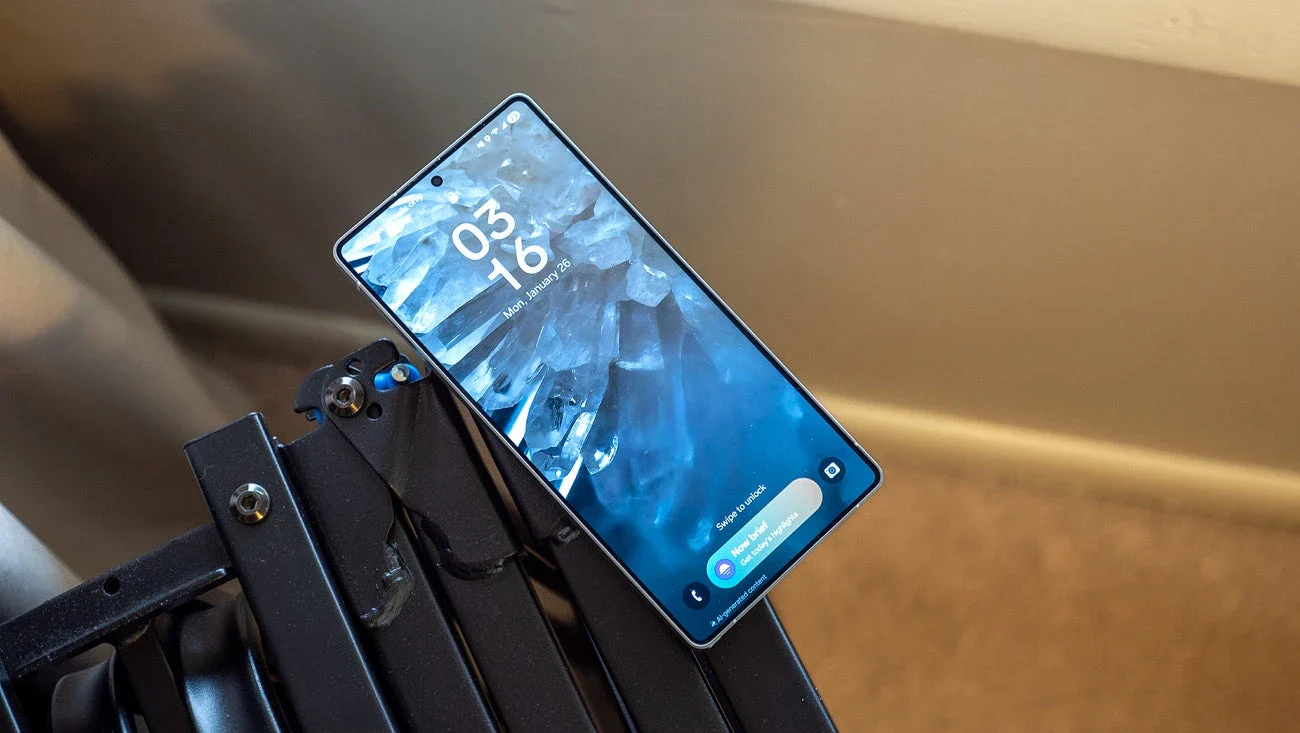
You finally find the perfect tempered glass screen protector for your Galaxy S26 Ultra, carefully apply it, and then slide on your new shockproof case — only to watch the edges start lifting within hours. Sound familiar? It’s one of the most frustrating experiences for smartphone users who invest in premium protection, only to have two accessories undermine each other.
This is a surprisingly common problem. Many shockproof cases designed for the Galaxy S26 Ultra feature thick raised edges or rigid frames that press against screen protector edges, causing peeling, air bubbles, or even cracked glass. The result is compromised protection on both fronts — and money wasted on accessories that simply don’t work together.
This article dives into exactly how to avoid that scenario. We’ll explore what makes a shockproof case truly compatible with screen protectors, which design features to prioritize, and how to ensure your Galaxy S26 Ultra’s impressive camera system stays protected without sacrificing functionality. Whether you’re a tech enthusiast building the perfect accessory setup or simply someone who wants reliable, no-fuss protection, this guide gives you the practical knowledge to make the right call before you buy.
Understanding the Importance of a Good Case for Your Galaxy S26 Ultra
The Galaxy S26 Ultra sits at the top of Samsung’s lineup, combining cutting-edge processing power, an advanced multi-lens camera system, and a large, brilliantly sharp display into one premium package. That level of engineering comes with a price tag to match — and a fragility that demands serious protection. The curved glass back, expansive screen, and protruding camera module are all vulnerable points that a single drop can turn into an expensive repair bill.
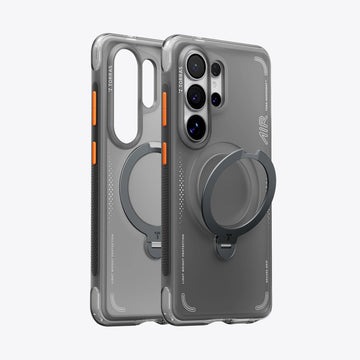
This is where Samsung S26 Ultra accessories become more than optional extras. A well-chosen shockproof case acts as the first line of defense, absorbing impact energy before it reaches the device’s internal components or glass surfaces. Beyond just surviving drops, a quality case protects against everyday wear — scratches from keys, scuffs from rough surfaces, and the slow cosmetic damage that chips away at resale value over time.
Shockproof cases are specifically engineered to handle impact forces that standard slim cases simply cannot. However, choosing one isn’t just about picking the thickest or most rugged-looking option on the shelf. The case needs to work in harmony with your entire protection setup — most importantly, with whatever screen protector you’ve applied. A case that undermines your screen protector creates a false sense of security, leaving the most vulnerable part of your device exposed precisely when it matters most.
The Challenge: Case and Screen Protector Compatibility
Even among premium Samsung S26 Ultra accessories, compatibility between cases and screen protectors remains one of the most overlooked purchasing considerations. Most buyers evaluate each accessory independently — picking a screen protector based on clarity and hardness, then selecting a case based on grip and drop protection. The problem surfaces only after installation, when the two accessories physically conflict with each other in ways that neither product description warned about.
The most common issue is edge lifting. Many shockproof cases feature thick, rigid frames that extend slightly over the screen’s perimeter. When these frames press against the edges of a tempered glass screen protector, they create concentrated pressure points that gradually break the adhesive bond. Within hours or days, you’ll notice the protector’s corners or sides beginning to peel away. Air bubbles follow, and once moisture or dust gets underneath, the protector is essentially useless. Some cases cause immediate misalignment during installation — their inner lip dimensions simply don’t account for the added thickness a screen protector introduces, making it impossible to seat the case flush against the phone.
Touch sensitivity degradation is a subtler but equally frustrating problem. When a rigid case frame presses down on a tempered glass protector, it can slightly flex the glass against the display, creating micro-pressure that interferes with the capacitive touch layer. Swipe gestures near screen edges become unresponsive, and the S Pen — central to the Galaxy S26 Ultra experience — may register inconsistent input. These aren’t hypothetical edge cases; they’re reported regularly by users across tech forums and product review sections.
Why Compatibility Matters for Daily Use
Incompatibility doesn’t just create an annoying cosmetic problem — it actively undermines your protection investment. A lifting screen protector exposes the display to scratches and direct impact damage, negating the reason you bought it. Replacing screen protectors repeatedly adds up financially, and each reinstallation risks trapping dust or damaging the oleophobic coating on your display. For a device as expensive as the Galaxy S26 Ultra, a case that compromises your screen protector creates a protection gap precisely where the phone is most vulnerable.
Types of Screen Protectors and Their Compatibility Requirements
Tempered glass protectors are the most demanding in terms of case compatibility. Their rigid structure and defined edges require cases with either a perfectly flush inner lip or a slight recessed channel that accommodates the glass thickness without pressing on it. Film protectors — both TPU and PET varieties — are more forgiving due to their flexibility and thinner profile, but they still suffer from edge lifting when case frames apply uneven pressure. Curved-edge film protectors designed specifically for the S26 Ultra’s display geometry need cases with particularly precise inner dimensions to avoid bunching at the corners. Always check whether a case explicitly lists screen protector compatibility in its specifications before purchasing.
Key Features to Look for in a Shockproof Case
Selecting a shockproof case that works seamlessly with a screen protector requires looking beyond marketing claims and examining the actual engineering behind the product. The best cases for the Galaxy S26 Ultra strike a careful balance — tough enough to absorb real-world impacts, yet precise enough in their dimensions to coexist with whatever screen protection you’ve applied. Two material categories dominate quality shockproof construction: thermoplastic polyurethane (TPU) and polycarbonate (PC). TPU provides the flexible, shock-absorbing outer layer that cushions impact energy, while a rigid polycarbonate shell distributes force across the case’s surface rather than concentrating it on one point. Cases combining both materials in a dual-layer construction consistently outperform single-material options in drop protection without adding excessive bulk.
Raised lips around the screen perimeter are non-negotiable for any serious protection setup. These elevated edges keep the display from making direct contact with flat surfaces during face-down drops. However, the height and profile of these lips directly affect screen protector compatibility — a lip that’s too high or too sharply angled will press against tempered glass edges and accelerate peeling. Look for cases that describe their screen lip as “low-profile” or “screen protector friendly,” which typically indicates the manufacturer has accounted for added glass thickness in their design. Brands like TORRAS, which explicitly engineer their cases around screen protector coexistence, often publish tested compatibility lists that take the guesswork out of pairing decisions. Flexibility in the case’s inner frame also matters; a slightly yielding inner lip adapts better to the small dimensional variations introduced by different screen protector brands than a completely rigid one does.
Shockproof Materials and Impact Protection
Military-grade drop protection — typically referencing MIL-STD-810G or MIL-STD-810H testing standards — means the case has been tested against drops from specific heights onto hard surfaces across multiple angles. While these ratings don’t guarantee real-world performance in every scenario, they provide a meaningful baseline for comparing protection levels. Multi-layer construction is the most reliable approach: a soft TPU inner layer absorbs initial shock while a hard polycarbonate outer shell prevents structural collapse. Air-cushion corners, where the case material forms hollow pockets at high-impact zones, add another layer of protection by compressing on impact to slow deceleration forces before they reach the phone.
Design Elements for Screen Protector Fit
Beyond material choices, the case’s geometric design determines whether it will work with your screen protector. Precise cutouts around the display perimeter — engineered to accommodate standard tempered glass thickness — prevent the case frame from overlapping the protector’s edge. Some manufacturers explicitly test their cases with specific screen protector brands and list compatibility in their product documentation; this is the most reliable indicator available before purchase. A case with a slightly recessed inner channel around the screen opening provides the ideal fit, giving tempered glass edges a space to sit without being compressed. Avoid cases with decorative ridges or stepped edges along the inner frame, as these create uneven pressure points that compromise adhesion over time.
How to Ensure Camera Protection with Your Case
The Galaxy S26 Ultra’s camera system is one of its defining features — a sophisticated array of lenses, sensors, and a periscope telephoto module that creates a significant protrusion from the device’s back panel. This raised camera island is a prime target for damage during drops and when the phone is set face-down on rough surfaces. Scratched lenses degrade photo quality in ways that no software update can fix, and a cracked lens cover means an expensive repair. When evaluating Samsung S26 Ultra accessories, camera protection deserves the same careful attention you’d give to screen compatibility.
A shockproof case earns its keep by surrounding the camera module with a raised bezel that extends slightly above the lens surface. This elevated rim creates a buffer zone that keeps lenses from making direct contact with flat surfaces. The height of this bezel matters — too low and it offers minimal protection, too high and it may vignette wide-angle shots or make the phone awkward to set down. The best cases strike a precise middle ground, offering meaningful clearance without interfering with the optical path.
Raised Bezels and Lens Coverage
A raised camera bezel should extend at least 1.5mm above the lens surface to provide genuine scratch and impact protection. Some cases go further with individual lens rings — separate raised circles around each lens element — which distribute impact forces away from the glass itself. This design is particularly valuable for the S26 Ultra’s multi-lens array, where a single impact near the camera island could damage multiple lenses simultaneously. When reviewing case options, look for product images that clearly show the camera cutout profile from the side; a visibly elevated rim is a reliable indicator of thoughtful protective engineering rather than purely cosmetic design.
Balancing Protection with Camera Accessibility
Robust camera protection should never come at the cost of optical performance. Cases with overly thick or inward-angling bezels can appear in wide-angle shots as dark corner shadows — a phenomenon called vignetting — that ruins photos. Flash coverage is equally important; a case that partially blocks the LED flash creates uneven lighting in low-light photography. Before committing to a case, check user-submitted photos taken while the case is installed. These real-world samples reveal any vignetting or flash obstruction that product descriptions typically omit. Also confirm that the case’s camera cutout accommodates any camera lens protector you plan to add separately, since stacking accessories around the lens requires precise dimensional clearance.
Step-by-Step Guide to Choosing the Perfect Compatible Case
Finding a shockproof case that genuinely works with your screen protector isn’t a matter of luck — it’s a process of asking the right questions before you buy. The Galaxy S26 Ultra is too significant an investment to leave accessory compatibility to chance. Following a structured selection approach eliminates the frustration of returns and replacements while ensuring your entire protection setup functions as intended from day one. The steps below address the two core needs that matter most: seamless screen protector integration and reliable camera protection.
Step 1: Identify Your Screen Protector Type and Requirements
Start by confirming whether you’re using tempered glass or a film protector, then note its edge thickness and whether it has a case-friendly coating. Tempered glass requires more dimensional clearance than film, so knowing your protector type narrows your case options immediately and prevents mismatched purchases.
Step 2: Evaluate Case Specifications for Compatibility
Scan product descriptions for explicit terms like “screen protector friendly” or “tempered glass compatible.” Cross-reference the case’s inner lip dimensions against your protector’s edge thickness. Manufacturers who publish compatibility guarantees or list tested screen protector brands offer the strongest assurance that the fit will work without lifting or pressure issues.
Step 3: Prioritize Camera Protection Features
Confirm the case includes a raised camera bezel that visibly clears the lens surface in product side-profile images. If you plan to add a separate camera lens protector, verify the cutout dimensions accommodate that additional layer without compressing the lens cover or restricting the optical path.
Step 4: Read User Reviews and Expert Recommendations
Filter reviews specifically for mentions of screen protector compatibility and camera vignetting. Tech forums and dedicated Galaxy S26 Ultra accessory threads surface real-world installation experiences that product pages omit. Prioritize feedback from users running the same screen protector brand you’ve chosen, as compatibility can vary between protector models even within the same case.
Building a Complete Protection Setup for Your Galaxy S26 Ultra
Protecting a Galaxy S26 Ultra means thinking beyond individual accessories and considering how they work together as a system. A shockproof case that undermines your screen protector — or leaves your camera module exposed — isn’t protection. It’s a false sense of security wrapped around an expensive device.
The key takeaways are straightforward: prioritize dual-layer TPU and polycarbonate construction for genuine impact absorption, verify that the case’s inner lip dimensions accommodate your specific screen protector type without applying edge pressure, and confirm that the camera bezel provides visible clearance above the lens surface. Explicit “screen protector friendly” labeling and manufacturer compatibility testing are your strongest pre-purchase indicators, while user reviews from people running your exact screen protector brand fill in the gaps that product descriptions leave out.
The Galaxy S26 Ultra represents a significant investment in both technology and capability. Getting the accessory combination right from the start saves you the frustration of peeling protectors, compromised touch sensitivity, and scratched lenses — and keeps your device performing exactly as intended. Before your next purchase, take the extra time to research compatible Samsung S26 Ultra accessories together rather than separately. Your phone — and your wallet — will thank you for it.
