

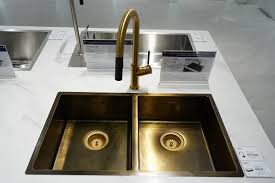
When it comes to sourcing kitchen faucets and sinks for your business, choosing the right factory can significantly impact product quality, customer satisfaction, and your overall business success. Whether you’re a retailer, wholesaler, or contractor, finding a reliable manufacturer ensures you get premium faucets and sinks that align with market demand while being cost-effective. However, with countless options available globally, how do you narrow down your search and choose a reliable kitchen faucet and kitchen sink factory?
In this blog, we’ll walk you through the key factors to consider when selecting a trustworthy factory for kitchen faucets and sinks and how to make decisions that set your business apart.
1. Quality of Products
The most critical factor when choosing a factory is the quality of the faucets and sinks they produce. High-quality products are durable, functional, and aesthetically appealing, which resonates with customers and reduces long-term business risks like returns and complaints.
What to Check:
Material Options: Ensure the factory uses durable materials such as stainless steel, solid brass, fireclay, or composite granite.
Manufacturing Standards: Look for ISO certifications or other quality management indicators.
Finish Consistency: Inspect surface finishes, including brushed nickel, matte black, chrome, or gold, for scratches, uniformity, and discoloration resistance.
Testing Procedures: Reliable factories perform leak testing, pressure testing, and durability checks on faucets and sinks.
Why It Matters:
Consistently high quality builds customer trust, lowers maintenance needs, and enhances your brand reputation.
2. Customization Capabilities
If your business caters to diverse consumer preferences or niche markets, partnering with a manufacturer that offers customization options is essential. Custom faucets and sinks allow you to stand out, cater to premium clients, or work on specialized projects such as luxury homes or commercial properties.
Customization Features to Look For:
Tailored Design Options: Choose custom sizes, shapes, or styles for both faucets and sinks.
Finish Variety: Ability to select unique coatings such as matte finishes, polished steel, or textured styles.
Logo Branding: Add private labeling or brand logos for exclusivity.
Smart Features: For faucets, ask if the factory can integrate touchless activation, precise water controls, or eco-friendly water-saving designs.
Why It Matters:
Having access to customization options helps you differentiate your offerings in a crowded market, catering to modern kitchen trends and diverse customer needs.
3. Factory’s Reputation and Experience
A factory’s reputation and industry expertise are integral when deciding whether they’ll make a reliable partner. An experienced manufacturer is likely to have a streamlined production process, established quality controls, and a proven track record of delivering satisfaction.
How to Gauge Reputation:
Years in Business: Factories with a long history are typically more dependable and efficient.
Client Testimonials: Ask for references or check online reviews from previous customers.
Portfolio of Products: Examine their existing product catalog—do the designs cater to your target audience?
Awards or Certifications: Industry-recognized certifications or accolades indicate reliability and professionalism.
Why It Matters:
Partnering with an experienced manufacturer ensures your business benefits from their expertise, helping you avoid production delays or subpar quality issues.
4. Manufacturing Technology and Processes
Reliable factories leverage advanced manufacturing capabilities to deliver precision and consistent quality. Factories equipped with modern tools and production techniques tend to produce better outputs.
Key Manufacturing Processes to Look For:
CNC Machining: Guarantees precise and accurate cuts for faucets and sinks.
Casting and Welding: Essential for durability, ensuring solid construction in sink bodies and faucet joints.
PVD Coating: A process used to create long-lasting finishes resistant to scratches and corrosion.
Environmentally-Friendly Methods: Factories that minimize waste and use recyclable materials indicate sustainability.
Why It Matters:
Advanced production technology ensures faster delivery, better quality control, and reliable products for your customers.
5. Scalability and Capacity
As your business grows or large orders become frequent, you need a factory capable of handling bulk orders while maintaining quality and meeting delivery timelines. Partnering with a manufacturer that can scale up production as your needs evolve is crucial.
How to Evaluate Scalability:
Factory Size: Larger factories often have the necessary infrastructure and workforce to handle bulk production.
Production Lead Times: Confirm if they can meet tight deadlines for large orders.
Order Flexibility: Ask about minimum order quantities (MOQs) and future scalability for growing demand.
Investment in Equipment: Factories with expanded facilities or additional machinery are better prepared to handle high-volume requests.
Why It Matters:
Scalability ensures your factory partner can grow alongside your business without interruptions or delays.
6. Pricing Transparency and Cost Efficiency
Pricing is a major factor for any business. While seeking affordability is essential, balancing cost and quality is critical. Factories that offer competitive pricing paired with great quality provide the best value for your investment.
What to Look For:
Itemized Pricing: Ensure transparency regarding costs like customization, materials, and shipping.
Bulk Discounts: Reliable factories offer tiered pricing options for larger volumes.
Hidden Costs: Watch out for extra fees such as packaging, branding, or inspection.
Shipping Optimization: Factories located near major transportation hubs reduce shipping costs and delivery times.
Why It Matters:
Affordable pricing leaves room for healthy profit margins while maintaining quality standards, increasing your business’s competitiveness.
7. Certifications and Compliance
Manufacturers that comply with international safety and environmental standards are more reliable and trustworthy, especially if you’re serving a global market. Certifications demonstrate adherence to high-quality benchmarks and ethical practices.
Key Certifications to Look For:
ISO 9001: Reflects quality-oriented production processes.
cUPC Certification: Ensures plumbing products meet North American standards.
WaterSense Label: Indicates water-saving capabilities.
NSF/ANSI Standards: Ensures lead-free and safe materials in kitchen faucets and sinks.
Eco-Friendly Compliance: Factories adhering to sustainable manufacturing standards promote environmental responsibility.
Why It Matters:
Certifications ensure legal compliance in your target markets and boost customer trust in your products.
8. Customer Service and After-Sales Support
The level of customer support provided by the factory is an important piece of the puzzle. Reliable factories stand behind their products with warranties and responsive service, ensuring smooth communication throughout the partnership.
Customer Services to Expect:
Warranty Coverage: Ask about warranties for manufacturing defects, durability, and functional performance.
Replacement Parts: Ensure spare and replacement parts are readily available.
Responsive Communication: Factories that prioritize fast and clear responses minimize misunderstandings.
Technical Support: Assistance with installation or troubleshooting problems shows a commitment to client satisfaction.
Why It Matters:
Strong after-sales support ensures long-term reliability while fostering a positive relationship with the manufacturer.
9. Sustainability Practices
As consumers become increasingly eco-conscious, sourcing faucets and sinks from manufacturers that prioritize sustainability can boost your brand appeal and credibility.
Green Practices to Look For:
Eco-Friendly Materials: Factories using recyclable materials like stainless steel align with sustainability goals.
Energy Efficiency: Manufacturers adopting renewable energy and energy-saving production techniques.
Waste Reduction: Factories with effective waste and water recycling protocols contribute to ethical manufacturing.
Why It Matters:
Sustainable practices help you appeal to environmentally conscious buyers, meeting modern market demands.
Choosing a reliable kitchen faucet and kitchen sink factory requires careful evaluation of factors like product quality, customization capabilities, manufacturing expertise, pricing, and sustainability. By selecting a factory that aligns with your business goals and meets international compliance standards, you set yourself up for success in the competitive kitchenware market.
