

Mining engineering is a vital field that supports modern life by supplying the raw materials needed for construction, energy, technology, and manufacturing. From the minerals inside smartphones to the metals used in bridges and vehicles, almost everything we use begins with mining engineering. This career combines science, technology, and practical problem-solving to extract resources safely and efficiently from the Earth. Mining engineering jobs are not just about digging; they involve planning, design, safety management, environmental care, and teamwork. For students and professionals looking for a stable, well-paying, and impactful career, mining engineering offers many opportunities. This article explains mining engineering jobs in simple language, covering roles, responsibilities, work environments, required skills, education paths, and long-term career growth.
What Mining Engineering Is and Why It Matters
Mining engineering is the branch of engineering that focuses on finding, extracting, processing, and managing mineral resources. These resources include coal, gold, copper, iron, limestone, rare earth elements, and many others. Mining engineers study the ground, decide the best way to remove minerals, and make sure operations are safe and cost-effective. Mining engineering matters because it supports almost every other industry. Without mining engineering, there would be no steel for buildings, no copper for electricity, and no lithium for batteries. Mining engineering also plays a big role in economic development, especially in countries rich in natural resources. Engineers help create jobs, build infrastructure, and support local communities. At the same time, modern mining engineering focuses strongly on environmental protection, land restoration, and sustainable practices, making sure resources are used responsibly for future generations.
Key Roles and Daily Responsibilities in Mining Engineering Jobs
Mining engineering jobs include many different roles, each with specific responsibilities. A mining engineer may work as a mine planner, designing tunnels, shafts, and open-pit layouts. Others work as production engineers, managing daily operations and making sure targets are met safely. Safety engineers focus on reducing accidents by creating safety plans and training workers. Some mining engineering professionals specialize in drilling and blasting, deciding how to break rock efficiently. Others work in mineral processing, helping separate valuable minerals from waste. Daily responsibilities can include analyzing data, using computer software, visiting mine sites, supervising workers, and meeting with geologists and environmental experts. Mining engineering requires teamwork, clear communication, and strong decision-making skills, as engineers are responsible for both people and expensive equipment.
Work Environments and Conditions in Mining Engineering Careers
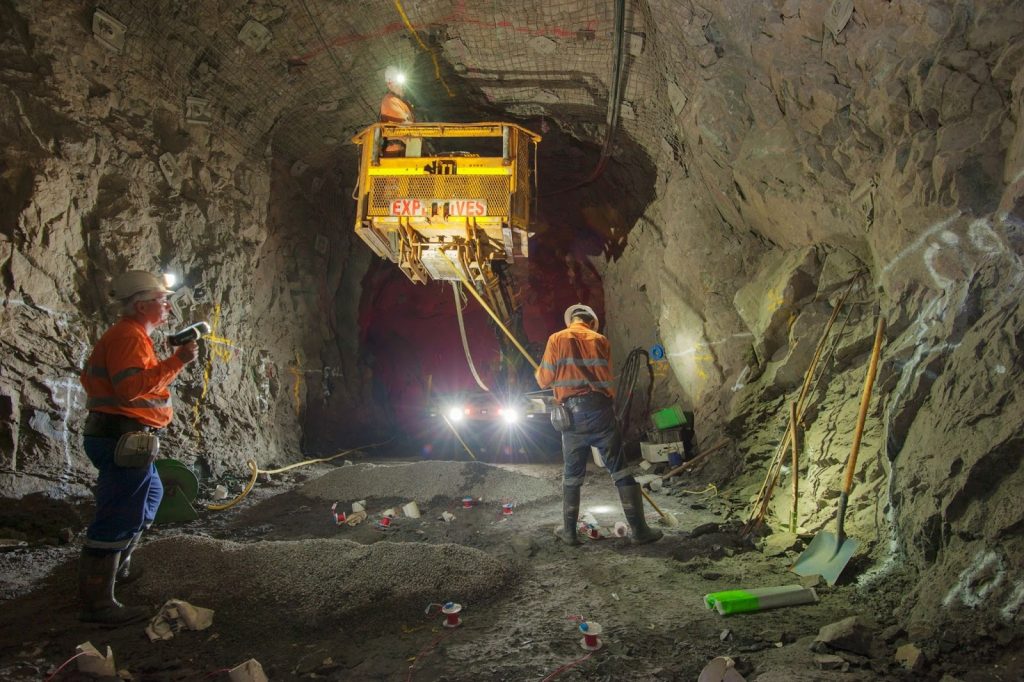
Mining engineering careers offer a wide range of work environments. Some engineers work mainly in offices, using computer models and plans to design mines. Others spend a lot of time on-site at mines, which may be located in remote areas, deserts, mountains, or underground. Mining engineering jobs can involve shift work, long hours, and travel, especially during active production phases. Underground mines require strict safety rules, protective gear, and strong awareness of surroundings. Surface or open-pit mines may involve working in extreme weather conditions. Despite these challenges, many mining engineers enjoy the variety and excitement of the work. Modern technology, automation, and remote monitoring have also improved working conditions, making mining engineering safer and more efficient than in the past.
Skills and Qualities Needed to Succeed in Mining Engineering
To succeed in mining engineering, professionals need a mix of technical skills and personal qualities. Strong math and science skills are essential, especially in physics, geology, and engineering principles. Mining engineering also requires problem-solving skills, as engineers must find solutions to complex ground conditions and equipment challenges. Communication skills are important because engineers work with teams, managers, and sometimes local communities. Leadership is another key quality, as mining engineers often supervise workers and contractors. Attention to detail is critical for safety and efficiency. In today’s world, mining engineering also requires computer skills, including the use of modeling software, data analysis tools, and automation systems. Adaptability and a willingness to learn are important, as mining technology and environmental standards continue to change.
Education and Training Paths for Mining Engineering Jobs
Most mining engineering jobs require at least a bachelor’s degree in mining engineering or a related field such as geological or civil engineering. University programs teach subjects like mine design, rock mechanics, ventilation, mineral processing, and safety management. Many programs also include internships or field training, which give students real-world experience. Some mining engineers choose to earn a master’s degree to specialize in areas like mine planning, sustainability, or management. Professional certifications and licenses may be required in some countries to work as a senior engineer or consultant. Continuous training is common in mining engineering, as professionals must stay updated on new technology, safety rules, and environmental laws. This ongoing learning helps engineers grow and stay competitive in the job market.
Career Paths, Growth, and Salary Opportunities in Mining Engineering
Mining engineering offers clear career paths and strong growth potential. Entry-level mining engineers often start as junior engineers or trainees, working under experienced professionals. With experience, they can move into roles such as senior engineer, mine manager, or operations superintendent. Some mining engineering professionals shift into consulting, helping multiple companies plan and improve mines. Others move into research, teaching, or government roles related to mining regulation and safety. Salaries in mining engineering are generally higher than average due to the technical skills and responsibilities involved. Pay can vary based on location, experience, and type of mining operation. Engineers working in remote or high-risk areas may earn additional benefits. Overall, mining engineering provides long-term stability and financial rewards for dedicated professionals.
Conclusion
Mining engineering jobs play a crucial role in building and supporting the modern world. From designing safe mines to managing production and protecting the environment, mining engineering professionals handle important responsibilities that affect industries and communities. This career offers variety, strong pay, and opportunities for growth, making it an attractive choice for students interested in science and engineering. While the work can be challenging, advancements in technology and a growing focus on sustainability continue to improve the field. Mining engineering is not just about extracting resources; it is about planning for the future, balancing economic needs with environmental care, and creating solutions that benefit society as a whole. For anyone looking for a meaningful and practical engineering career, mining engineering remains a strong and rewarding path
