

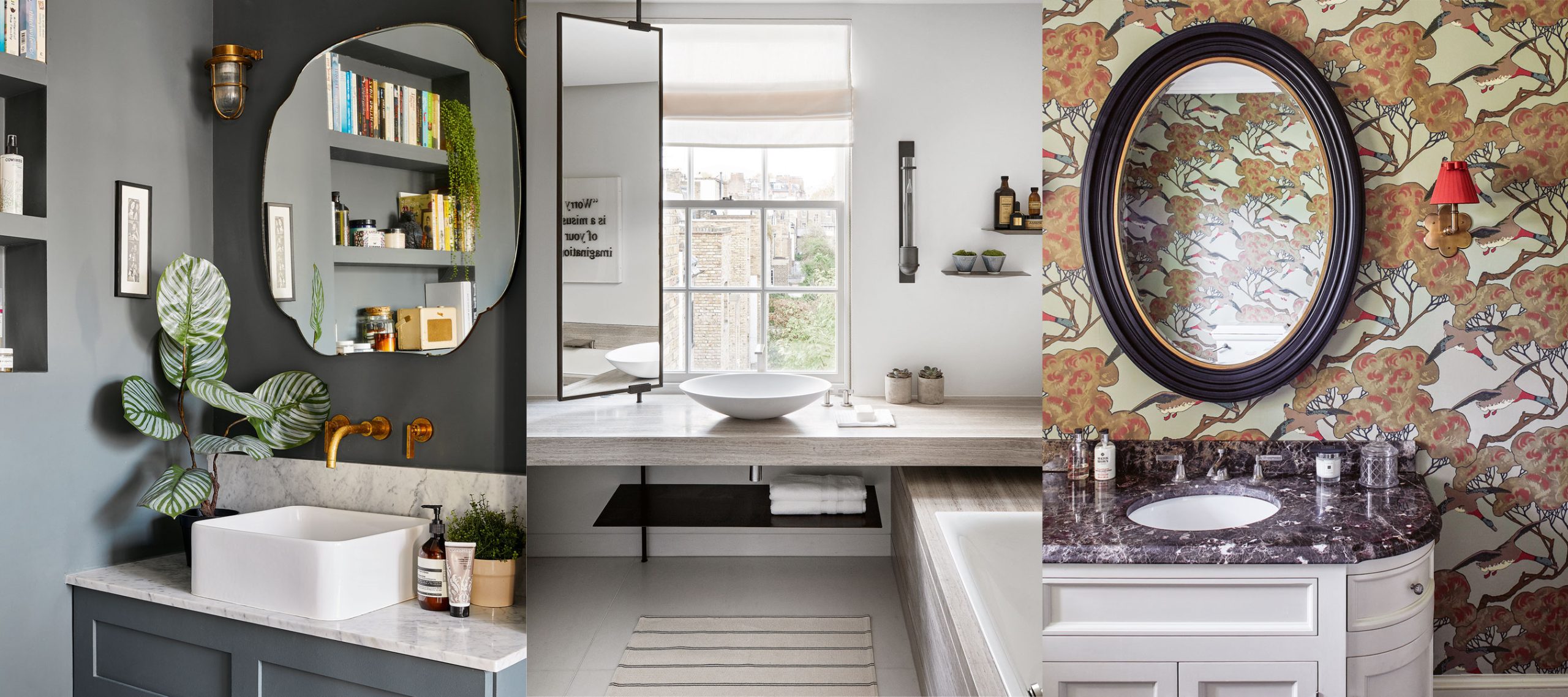
Imagine that you start your day in a well-organised, bright and visually balanced bathroom. A bathroom mirror is one component that enhances your bathroom’s visual appeal and makes your daily routine effortless.
Choosing the right bathroom mirror requires careful consideration to ensure it matches your bathroom’s layout, suits your daily use, and complements the room’s style.
If you are planning to update your bathroom or replace an existing mirror, here are the most important things to know before making a decision.
Popular Types of Bathroom Mirrors
There are numerous types of bathroom mirrors designed to meet unique needs and layouts. Some of the popular picks include –
Framed Bathroom Mirrors
Framed mirrors are among the most popular choices. They provide a finished look and help anchor the vanity area. Frames are available in finishes like black, silver, gold, white, and wood tones.
- Rectangular framed mirrors work well in most bathrooms and pair easily with modern or transitional décor.
- Framed round mirrors are often used to soften spaces with sharp lines and angular fixtures.
Frameless Bathroom Mirrors
Frameless mirrors are ideal for clean, modern bathrooms. These mirrors usually feature polished or beveled edges that give a refined appearance without adding visual weight. They are easy to pair with bold tiles or textured walls and help reflect more light across the room. Frameless rectangular mirrors are commonly used above contemporary vanities.
Lighted Bathroom Mirrors
Lighted mirrors combine reflection and illumination in one unit. Built-in LED lighting provides even light for grooming tasks like shaving or applying makeup.
Many lighted bathroom mirrors offer dimmable brightness, touch controls, and fog-resistant surfaces. These mirrors are especially useful in bathrooms with limited wall space for additional lighting fixtures.
Round and Oval Mirrors
Round and oval mirrors add softness and visual contrast. They are often used in powder rooms or smaller bathrooms where design plays a stronger role.
Oval mirrors are better placed over pedestal sinks, and round mirrors go well with floating vanities. These figures disrupt straight lines and make the design less formal. You can choose framed or frameless designs in this category to match your bathroom’s interior.
Mirror Cabinets
Mirror cabinets are designed for both storage and function. They provide concealed shelving behind the mirror, helping keep countertops clutter-free. These cabinets suit shared bathrooms or spaces where you want less visual clutter. They also work well in rental homes where you want upgrades without significant changes. Go for options that offer:
- Concealed shelving that blends with the wall.
- Smooth hinges that reduce noise and add comfort.
- Slim depth that does not jut out.
- Easy to open and close, with no finger marks.
Finish and Style Considerations
Finish is the final detail that ties the space together. For instance, brushed-metal frames add a subtle shine while wooden finishes offer a cozy feel. Frosted edges soften the look while a clean glass with beveled borders adds elegance.
Do not try to match everything in the room. Choose a finish that supports the overall style. If your walls and tiles already have color or texture, go for a clean and simple mirror. If the rest of the room is plain, the mirror can be your accent.
Framed vs Frameless: Which One Works Better?
Framed mirrors give your bathroom a finished look. You can choose from wood, brass, or black matte to match your faucet and hardware. Wood adds warmth while brass looks rich and bold. Framed mirrors are best for vintage, rustic, or classic bathrooms.
Frameless mirrors feel lighter. They blend well with modern styles. Most come with smooth edges. Some offer beveled cuts to reflect light softly. They suit people who prefer open spaces and fewer visual lines.
The final choice depends on how you want to design your bathroom space to achieve a visually appealing, comfortable look.
Mirror Placement and Layout Tips
- The mirror should be centred above the vanity and installed at a comfortable viewing height.
- Two mirrors can be more useful than a large mirror in the case of the double sinks.
- Small bathrooms can use a tall mirror that will make the room appear bigger.
- In larger designs, horizontal mirrors are employed to create balance.
- Lighting placement should also be considered. Mirrors with built-in lighting work well when side sconces are not an option.
Things to Remember Before Buying a Bathroom Mirror
- Divide your wall space and vanity.
- Choose a mirror based on your daily usage and storage needs.
- Consider the lighting requirements, then select a style.
- Match the mirror finish with other fixtures.
- Installation the requirements and check the clearing equipment.
Conclusion
Choose a mirror that matches your layout, supports your daily tasks, and fits your design theme. Whether you want a simple frameless panel or a feature-rich mirror with storage and lights, the best choice is one that makes your bathroom feel complete.
