

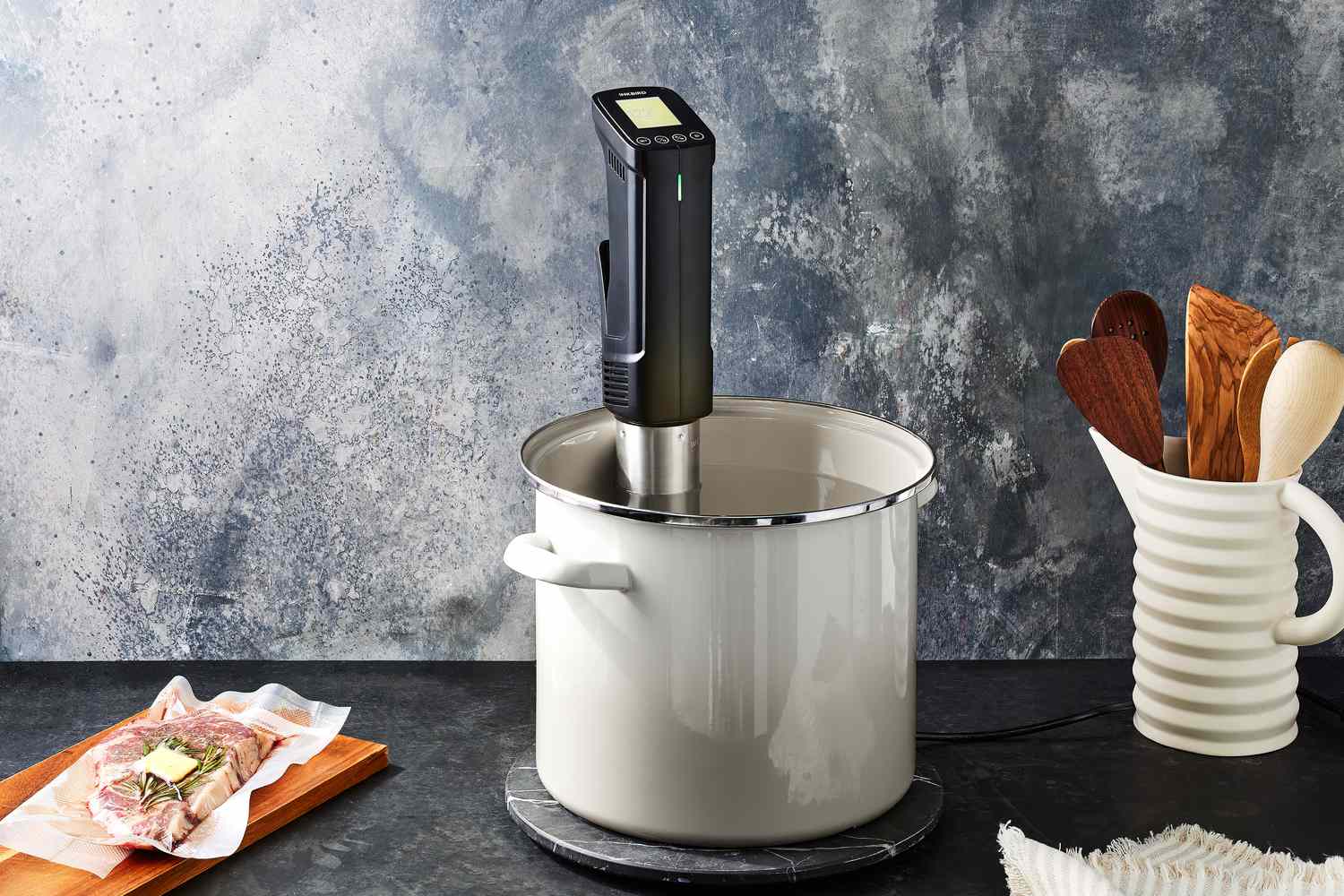
In the realm of modern cooking, where consistency and flavor preservation are paramount, sous vide equipment has revolutionized the way professionals and enthusiasts approach food preparation. This technique, which involves sealing ingredients in vacuum bags and immersing them in a temperature-controlled water bath, ensures even cooking without the risks of over- or under-doneness associated with traditional methods. Sous vide equipment, ranging from compact immersion circulators to large-scale industrial systems, empowers users to achieve restaurant-quality results at home or in commercial kitchens. From tenderizing proteins to infusing delicate vegetables with subtle seasonings, these tools offer versatility that enhances both efficiency and creativity. This guide explores the types of sous vide equipment available, their practical applications, key benefits, selection criteria, maintenance essentials, and evolving innovations, providing a thorough understanding of how these devices can elevate any culinary endeavor.
Types of Sous Vide Equipment: From Home to Industrial Scale
Sous vide equipment varies widely to suit different needs, beginning with immersion circulators, which are compact devices that clip onto any pot or container, circulating water at precise temperatures for small-batch cooking. These portable units, often with digital controls for settings as low as 40°C, are ideal for home chefs experimenting with recipes like perfectly seared steaks or infused oils.
For larger operations, sous vide cook tanks provide dedicated vessels with capacities up to 800 liters, featuring built-in heaters and pumps for consistent heat distribution across multiple bags. These tanks support batch processing for items like vegetables or poultry, with options for tilting mechanisms to facilitate emptying.
Hybrid systems, such as cook-chill units, combine cooking with rapid cooling for food safety, allowing prepared meals to be stored for later reheating without quality loss. Industrial-grade sous vide equipment, including continuous flow systems, handles high-volume production for commercial kitchens, where conveyor-style baths process items like fish fillets in sequence. Each type addresses specific scales, from single-pot setups to full-line integrations, ensuring sous vide equipment fits seamlessly into diverse workflows.
Practical Applications: Sous Vide Equipment in Everyday and Professional Kitchens
Sous vide equipment finds versatile use in both domestic and commercial settings, starting with home applications where it excels in meal prepping, allowing users to portion proteins like chicken breasts for the week, cooking them to 74°C for safety while retaining juiciness for quick reheats. This method suits busy households, enabling flavorful salads or stir-fries without daily cooking.
In professional kitchens, sous vide equipment streamlines operations for catering services, where cook tanks process large quantities of vegetables or sauces at 85°C for pasteurization, extending shelf life for events. Restaurants utilize immersion circulators for signature dishes, like 55°C eggs or 60°C salmon, maintaining texture across services.
For industrial food production, continuous systems handle bulk items like ready-meals, integrating with packaging lines for efficiency. These applications highlight sous vide equipment’s adaptability, from family dinners to factory floors, where precision meets practicality.
Key Benefits: Efficiency, Consistency, and Flavor Enhancement
Sous vide equipment delivers clear benefits in operational efficiency, as its set-it-and-forget-it nature frees cooks for other tasks, with water baths holding temperatures within 0.1°C for hours without monitoring. This consistency ensures uniform results across batches, eliminating the variability of stovetop methods where hotspots can dry edges while centers remain raw.
Flavor preservation stands out, as vacuum sealing traps natural juices and aromas, allowing infusions like herbs or spices to penetrate evenly without evaporation. Nutritional retention improves, with lower temperatures minimizing vitamin degradation in vegetables compared to boiling. For commercial users, sous vide equipment reduces food waste by enabling precise portion control and extended holding times, while energy savings from efficient heaters lower utility costs. These advantages make sous vide equipment a worthwhile investment for anyone valuing reliability in their culinary pursuits.
Selection Criteria: Choosing the Right Sous Vide Equipment
Selecting sous vide equipment involves matching capabilities to usage, starting with capacity—immersion circulators for 5-10 liters suit home use, while tanks of 100+ liters fit commercial demands. Temperature range is key, with models covering 40°C-95°C for versatility from custards to stocks.
Power and build quality ensure durability, with stainless steel construction resisting corrosion in professional environments. Controls matter—digital interfaces with presets simplify operation, while app connectivity allows remote adjustments. Budget guides choices, from $100 entry-level circulators to $5,000+ industrial units, with warranties of 1-3 years indicating reliability. By prioritizing these factors, users invest in equipment that aligns with their needs and lasts.
Maintenance and Care: Ensuring Longevity for Sous Vide Equipment
Sous vide equipment requires straightforward maintenance to sustain performance, beginning with regular cleaning of water baths using vinegar solutions to remove mineral deposits, followed by drying to prevent mold. Seals and clips on bags need inspection for wear, replaced annually to maintain vacuum integrity.
Circulators benefit from descaling every 20 uses, while tanks undergo quarterly checks for heater elements. Storage in dry areas protects against dust, and firmware updates keep controls current. These routines extend equipment life by several years, preserving the precision that defines sous vide excellence.
Innovations on the Horizon: The Future of Sous Vide Equipment
Sous vide equipment continues to advance with smart integrations like app-controlled temperatures and recipe libraries that suggest settings for specific dishes. Compact, multi-function units combine cooking with sous vide for space-saving, while sustainable materials reduce environmental impact. In this horizon, sous vide equipment promises not limits, but limitless culinary creativity.
Culinary Constancy: The Enduring Appeal of Sous Vide Equipment
Sous vide equipment emerges as a steadfast sentinel of flavor—circulators of control, tanks of tenderness. From home hearths to professional pursuits, it crafts consistency with care. As innovations infuse, one truth endures: In sous vide equipment’s gentle guardianship, gastronomy gains grace. Cook confidently; create ceaselessly.
