

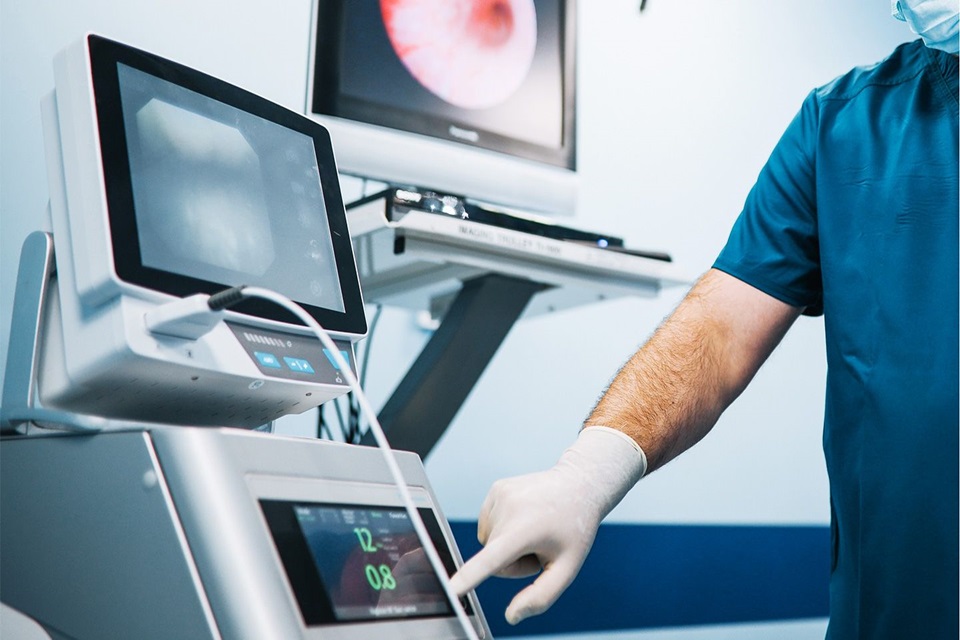
A primary care physician is often the patients’ first contact when seeking routine health care. The primary care’s role in cancer treatment starts from detection to confirmation of the ailment. These medics link cancer patients to various levels of cancer management care, from cancer primary care to advanced and palliative management.
Primary Care Physicians in Cancer Screening
Primary care physicians are essential in cancer screening. Their goal is to provide speedy and efficient interventions.
The types of cancer screening offered by primary healthcare physicians include:
- Lung Scan
Primary care physicians also take patient’s medical histories. They note factors that predispose patients to cancer. Lung cancer occurs often among people who smoke. A Low-dose chest scan is a CT scan that can detect even the most minor tumours in the lungs.
- Prostate Cancer Screening
There are two routine prostrate exams. The first is the Digital rectal exam. The doctor physically checks the rectum for unusual features or growths. The Prostate-Specific Antigen (PSA) checks the levels of PSA in the blood where high levels signal danger.
- Pelvic Exam
Pelvic exams evaluate the health of the female reproductive organs. The Pap smear or Pap test and HPV tests are routine tests conducted annually as part of the pelvic exam. HPV tests for infection with any Human papillomavirus.
Another test is a cervical biopsy. Doctors cut parts of abnormal tissue and check them using a microscope. The Colposcopy uses a camera with a magnifier to look at tissue in the cervix.
- Colonoscopy
Doctors order a colonoscopy to check for early signs of colorectal cancer. The doctor uses a colonoscope camera to examine the rectum and the large intestines. It shows small growths or abnormalities. A doctor can test a stool sample to check for blood in the stool.
Doctors inject a barium solution into the rectum. This is the double-contrast barium enema test. This test also involves an x-ray, identifying changes or growths in the rectum and colon. Another option is the flexible sigmoidoscopy. The examining doctor uses a tube with a light to examine the rectum and the lower third of the large intestines.
- Breast Cancer Screening
A mammogram uses X-rays. It can find early signs of the disease even with no symptoms. Besides mammograms, women with dense breast tissue or those with inconclusive test results require additional tests. Such tests include breast ultrasound, breast MRI and a breast biopsy to confirm the presence of breast cancer and its severity.
- Skin Cancer Screening
Moles, lesions, and wounds can take too long or fail to heal. That is a common sign of skin cancer. Non-melanoma skin cancers are easy to detect. Doctors catch them through a skin biopsy. They also examine the suspicious area.
They can conduct X-rays of the lymph nodes near the suspected area. Another option is performing a lymph node biopsy. In this, they remove the lymph node near the infected area and test it for cancer signs.
The physician can use advanced X-rays and CT scans to see the spread of the disease and infected organs. That information becomes a guide on the best course of treatment.
Conclusion
Early testing for any cancer offers a higher chance of survival for patients. Patients who undergo screening early tend to recover from cancer. Primary care doctors educate communities on the need for regular cancer screening. They conduct routine screening. They also work with oncologists and other specialists who develop a custom treatment program for cancer patients. The physicians also build a support system for their next of kin to help through the ordeal.
