

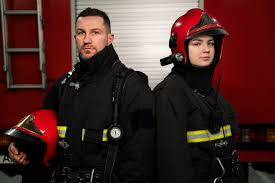
The importance of Fire Watch Guards in high-risk industries cannot be overstated. Whether in construction zones, chemical plants, manufacturing facilities, or during large public events, these trained professionals play a pivotal role in preventing fire-related disasters. Their ability to identify and mitigate potential fire hazards before they escalate into emergencies is vital in safeguarding lives, property, and operations. In a world where safety regulations are becoming increasingly stringent, the role of Fire Watch Guards has evolved into a critical component of any fire prevention strategy. By understanding their responsibilities, the skills they possess, and the technology that supports their work, companies can make informed decisions about how to integrate fire watch services into their safety plans.
The Growing Necessity for Fire Watch Guards in Hazardous Industries
Fire risks are a reality in many industries, but some environments carry a particularly high likelihood of fire outbreaks due to their operational nature. Industries such as construction, manufacturing, mining, oil and gas, and chemical production are highly susceptible to fires, as they often involve activities that generate heat, sparks, or flammable materials.
Fire Watch Guards are essential in these environments to continuously monitor for fire hazards and ensure that safety protocols are being followed. For example, welding and cutting operations, which are common on construction sites, generate intense heat and sparks that can ignite nearby combustible materials. Similarly, in manufacturing facilities, equipment failure, electrical malfunctions, and flammable chemicals increase the risk of fires.
The risk isn’t confined to industrial settings. Large public events, including concerts, conventions, and festivals, can present unique challenges when it comes to fire safety. Temporary structures, high crowd density, and complex electrical and pyrotechnic setups increase the chance of fire outbreaks. In such environments, Fire Watch Guards serve as a critical line of defense, ensuring that any potential fire risk is detected and neutralized before it causes harm.
What Exactly Do Fire Watch Guards Do?
The role of a Fire Watch Guard is multifaceted, extending far beyond simply watching for fires. These professionals are highly trained to handle a variety of fire safety responsibilities, ensuring that high-risk environments remain as safe as possible.
Some of the primary duties of Fire Watch Guards include:
- Proactive Monitoring and Surveillance: Fire Watch Guards maintain constant vigilance across the premises, scanning for fire risks such as sparks from hot work, overheated machinery, improperly stored hazardous materials, and other potential threats.
- Inspection of Fire Safety Equipment: Guards are tasked with ensuring that essential fire safety systems—like fire extinguishers, fire alarms, sprinklers, and emergency exits—are functional and accessible. Regular inspections of fire safety equipment are critical to ensure that it’s ready for use in case of an emergency.
- Identifying Hot Work Hazards: Hot work activities, which involve processes such as welding, cutting, and grinding, pose a heightened fire risk. Fire Watch Guards monitor these activities, ensuring that the surrounding environment is safe and that proper fire prevention measures are in place.
- Responding to Emergencies: Should a fire break out, Fire Watch Guards are the first responders. They are trained to use fire suppression tools, activate fire alarms, evacuate people from the premises, and alert emergency services. Their rapid response is crucial in containing fires before they spread.
- Documentation and Reporting: A crucial aspect of the Fire Watch Guard’s job is maintaining accurate records of their activities. These logs document any observed fire hazards, the actions taken to mitigate those hazards, and any incidents that occur. These records are essential for compliance and can serve as an important legal document during audits, inspections, or insurance claims.
Legal Obligations for Fire Watch Services
In many industries, hiring Fire Watch Guards is not just a good practice but a legal requirement. Regulations set by local and national safety authorities, including the Occupational Safety and Health Administration (OSHA), mandate fire watch services during certain high-risk activities.
For instance, hot work operations, such as welding, grinding, or flame-cutting, create significant fire hazards. OSHA regulations stipulate that a Fire Watch Guard must be present during these activities to prevent potential fire outbreaks. Additionally, regulations often require that fire watch services are provided when fire suppression systems are temporarily disabled during maintenance or construction work.
Non-compliance with these regulations can result in serious legal consequences, including fines, shutdowns, and reputational damage. By hiring Fire Watch Guards, businesses ensure they are not only adhering to legal standards but also proactively protecting their employees, assets, and operations from fire hazards.
The Expertise and Training of Fire Watch Guards
The skill set of Fire Watch Guards goes far beyond basic monitoring. These professionals undergo extensive training to prepare for a variety of fire-related situations. The training typically includes:
- Fire Prevention Education: Guards are taught to identify common fire hazards, such as malfunctioning equipment, hazardous materials, improper storage, and even unsafe employee behavior. They understand how these hazards can lead to fires and how to mitigate these risks proactively.
- Emergency Response Protocols: In the event of a fire, Fire Watch Guards are trained to respond quickly and efficiently. They are skilled in using fire suppression equipment like extinguishers and hoses, guiding evacuations, and alerting emergency services. Their ability to act quickly can drastically reduce the impact of a fire.
- Fire Safety Equipment Maintenance: Guards ensure that fire safety equipment is in good working order. This includes regular inspections and maintenance of fire extinguishers, smoke detectors, sprinklers, alarms, and emergency exits. Keeping this equipment functional is a key part of fire prevention.
- First Aid and Medical Assistance: Many Fire Watch Guards are also trained in basic first aid and CPR, allowing them to provide immediate medical assistance in the event of an injury or health-related issue during an emergency.
- Documentation and Reporting: Fire Watch Guards are responsible for maintaining detailed logs of their activities, including the areas they’ve inspected, any hazards they’ve identified, and the actions they’ve taken. This documentation is essential for compliance and can be invaluable in post-incident analysis.
- Communication Skills: Effective communication is essential in fire safety management. Fire Watch Guards must be able to clearly and concisely communicate fire hazards, emergency procedures, and safety updates to both workers and emergency responders.
Leveraging Technology to Support Fire Watch Guards
While the role of Fire Watch Guards has traditionally been reliant on human vigilance, technological advancements have played a significant role in enhancing the effectiveness of fire watch services. Today, a variety of technologies work in tandem with human monitoring to provide a more comprehensive approach to fire safety.
- Thermal Imaging and Heat Sensors: These devices can detect abnormal temperature fluctuations or hot spots that might indicate a fire risk. By providing Fire Watch Guards with real-time data, these tools allow for earlier detection of potential fire hazards, leading to faster response times.
- Smoke Detectors and AI Monitoring Systems: Modern smoke detection systems use advanced algorithms to distinguish between different types of smoke and heat signatures. Some systems are even integrated with artificial intelligence (AI) to predict potential fire risks based on environmental factors, work activities, and historical data.
- Drones for Large-Scale Monitoring: Drones equipped with infrared cameras and sensors are being used for fire detection in large or hard-to-reach areas. This technology enables Fire Watch Guards to monitor expansive sites more effectively and respond to fire risks that might otherwise go unnoticed.
- Real-Time Reporting and Dispatch Systems: With the integration of mobile apps and communication platforms, Fire Watch Guards can instantly report any hazards or incidents, allowing for a more efficient and coordinated response. AI-driven dispatch systems ensure that emergency services are contacted immediately, reducing response times and improving safety outcomes.
The Financial and Operational Benefits of Hiring Fire Watch Guards
Although hiring Fire Watch Guards incurs an expense, the cost of neglecting fire safety can be far more damaging. The potential costs of a fire-related incident include:
- Property Damage: Fires can lead to the total destruction of buildings, equipment, and inventory, resulting in significant financial losses. In some cases, the cost of repairs or replacement far exceeds the investment in fire watch services.
- Legal and Regulatory Fines: Failure to comply with fire safety regulations can result in fines, legal action, and forced shutdowns of operations. Non-compliance can also lead to lawsuits, further escalating costs.
- Reputational Damage: Companies that experience fire-related incidents may suffer lasting reputational damage, which can impact customer trust, investor confidence, and overall brand image.
- Business Interruptions: A fire can disrupt operations for days, weeks, or even months, resulting in lost revenue, delayed projects, and diminished productivity. With Fire Watch Guards on-site, these interruptions can be minimized.
The Psychological and Safety Benefits of Fire Watch Guards
Beyond the financial and legal aspects, Fire Watch Guards play a significant role in creating a safe and supportive work environment. Their presence provides reassurance to employees, contractors, and visitors, fostering a sense of security. Employees are more likely to follow fire safety procedures and maintain heightened awareness of fire hazards when they see dedicated professionals monitoring their safety.
Additionally, the presence of Fire Watch Guards promotes a culture of safety. By encouraging workers to report potential hazards and providing training on fire safety best practices, Fire Watch Guards help foster a proactive approach to fire prevention across all levels of the organization.
Conclusion: Investing in Fire Watch Guards for Long-Term Safety
The presence of Fire Watch Guards is essential to ensuring fire safety in high-risk industries. From monitoring fire hazards to responding swiftly in emergencies, these professionals are a critical part of any comprehensive fire prevention strategy. Their specialized training, along with technological support, allows them to mitigate fire risks before they escalate into full-blown emergencies.
For businesses operating in high-risk environments, investing in Fire Watch Guards is a proactive measure that not only ensures compliance with legal regulations but also protects lives, property, and the company’s financial future. Their expertise and vigilance provide peace of mind, reduce risks, and create a safer working environment for everyone involved.
By investing in fire watch services, businesses are making an investment in safety, compliance, and long-term success.
