

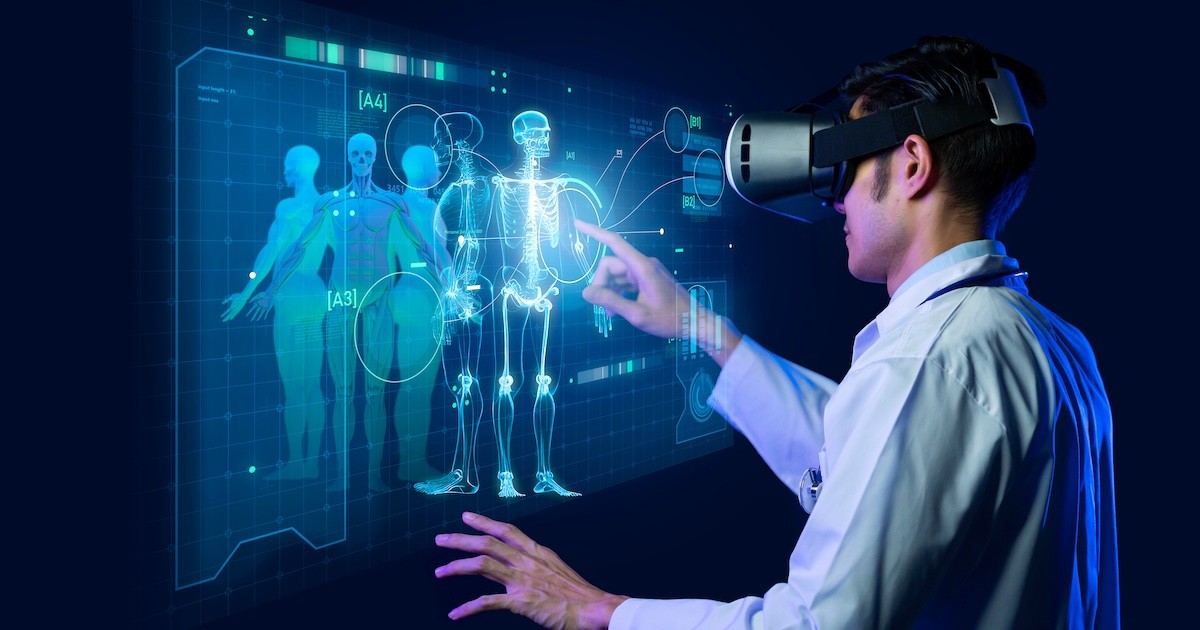
Advancements in technology have revolutionized various industries, and healthcare is no exception. One of the most significant developments in healthcare is the integration of artificial intelligence (AI) in medical diagnosis. AI has the potential to transform patient care by providing more accurate and timely diagnoses. This article will explore the future of healthcare with AI medical diagnosis and its impact on patient care.
Role of AI in Medical Diagnosis
AI uses algorithms and data to analyze complex medical information and generate insights. In the context of medical diagnosis, AI can process vast amounts of patient data, including symptoms, medical history, and test results, to assist healthcare providers in making accurate diagnoses. AI-powered diagnostic tools can identify patterns and indicators that may not be apparent to human clinicians, leading to more precise and efficient diagnoses.
By recognizing patterns and trends in patient data, AI can help healthcare providers identify diseases at an earlier stage, suggest appropriate treatments, and improve patient outcomes. Additionally, AI can also enhance personalized medicine by considering individual genetic information and lifestyle factors to tailor treatment plans for each patient. Overall, AI has the potential to revolutionize the field of medical diagnosis by complementing the expertise of healthcare professionals and improving the accuracy and efficiency of diagnoses.
Benefits of AI Medical Diagnosis
One of the primary benefits of AI medical diagnosis is its ability to enhance the accuracy of diagnoses. Studies have shown that AI algorithms can outperform human clinicians in certain diagnostic tasks, reducing the risk of misdiagnosis and improving patient outcomes. AI can also analyze data much faster than humans, leading to quicker diagnoses and treatment recommendations.
Additionally, AI medical diagnosis can help with identifying patterns and trends in patient data that may not be easily noticeable to human healthcare providers. This can lead to earlier detection of potential health issues and more personalized treatment plans. Overall, the introduction of AI in medical diagnosis has the potential to revolutionize healthcare by providing more efficient and accurate diagnoses, ultimately improving patient care and outcomes.
Impact on Patient Care
The integration of AI in medical diagnosis is poised to have a profound impact on patient care. By providing more accurate and timely diagnoses, AI can help healthcare providers develop personalized treatment plans that are tailored to each patient’s unique needs. This personalized approach can improve patient outcomes and quality of care.
Moreover, AI technologies are capable of analyzing vast amounts of data and identifying patterns that are not easily recognizable by human healthcare professionals. This ability to process data quickly and efficiently can lead to faster diagnosis and treatment, ultimately saving lives and reducing healthcare costs.
AI can also assist in predicting potential health issues before they escalate, allowing for preventive measures to be implemented early on. This proactive approach to healthcare can significantly reduce the burden on healthcare systems and improve overall public health.
Overall, the integration of AI in medical diagnosis has the potential to revolutionize patient care by enhancing the accuracy, speed, and efficiency of diagnoses, improving treatment outcomes, and ultimately transforming the way healthcare is delivered.
Challenges and Considerations
While AI medical diagnosis offers numerous benefits, there are also challenges and considerations to be addressed. Privacy and security concerns related to patient data must be carefully managed to ensure patient confidentiality. Additionally, healthcare providers need to be trained in using AI tools effectively to maximize their benefits. Ensuring the ethical use of AI in healthcare is also a critical consideration.
Future Trends
The future of healthcare with AI medical diagnosis looks promising, with ongoing advancements in AI technology and increased adoption by healthcare providers. AI algorithms are continuously being refined and improved, leading to more accurate and reliable diagnostic tools. As AI continues to evolve, its impact on patient care is expected to grow, revolutionizing the healthcare industry.
AI medical diagnosis holds great potential for transforming the future of healthcare. With advancements in AI technology and the increasing acceptance by healthcare providers, the accuracy and reliability of diagnostic tools are constantly improving. As AI algorithms become more sophisticated, patient care is expected to be significantly enhanced, leading to a revolution in the healthcare industry. The future of healthcare with AI medical diagnosis appears promising, paving the way for more efficient, precise, and personalized care for patients worldwide.
Conclusion
In conclusion, AI medical diagnosis has the potential to significantly improve patient care by providing more accurate and timely diagnoses. By leveraging AI-powered diagnostic tools, healthcare providers can offer personalized treatment plans that enhance patient outcomes and quality of care. While there are challenges and considerations to address, the future of healthcare with AI medical diagnosis is promising. As technology continues to advance, AI is set to play a pivotal role in transforming the healthcare landscape.
