

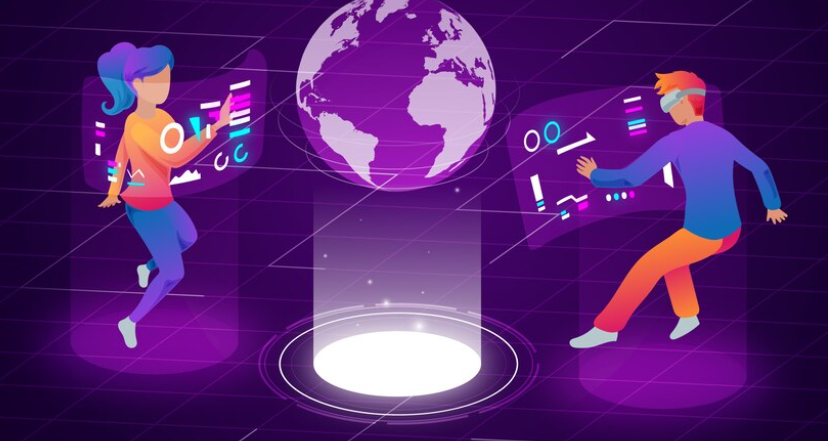
Imagine a world where the digital seamlessly blends with the physical, creating an immersive environment that anticipates your needs and responds to your desires. This isn’t science fiction – it’s the burgeoning concept of mirror worlds.
LED mirror world holds immense potential to revolutionize how we interact with technology. But for this potential to be realized, user-centric design is paramount. Let’s delve into the fascinating realm of mirror worlds and explore how we can design them to resonate with our deepest human needs.
What are Mirror Worlds?
Mirror worlds are digital twins of the physical world. They exist in a parallel realm, constantly collecting and analyzing data about our environment. This data could include everything from traffic patterns and weather conditions to product availability and building occupancy.
Imagine walking into a store. The mirror world recognizes you and displays personalized recommendations on digital displays. It adjusts the lighting based on your mood and guides you effortlessly to the items you need. This is just a glimpse of the possibilities mirror worlds offer.
Why User-Centric Design Matters in Mirror Worlds
The success of mirror worlds hinges on their ability to understand and cater to human needs. Here’s why user-centric design is crucial:
- Enhancing User Experience: Imagine feeling overwhelmed by a barrage of irrelevant information in your mirror world. User-centric design ensures the technology serves you, not the other way around. It personalizes your experience, anticipates your needs, and streamlines interactions.
- Building Trust and Transparency: Mirror worlds collect a vast amount of data. User-centric design prioritizes transparency, keeping users informed about how their data is used. This fosters trust and empowers users to take control of their mirror world experience.
- Addressing Emotional Needs: We, as humans, are driven by emotions. User-centric design in mirror worlds considers how technology can evoke positive emotions. Think – feeling a sense of accomplishment when completing a task in a gamified environment, or experiencing joy through personalized interactions.
- Accessibility for All: Not everyone interacts with technology in the same way. User-centric design ensures mirror worlds are inclusive, catering to diverse needs and abilities. This fosters a sense of belonging and participation for everyone.
Designing User-Centric Mirror Worlds: Key Principles
So, how do we translate these aspirations into reality? Here are some key principles for designing user-centric mirror worlds:
- User Research at the Core: Understanding user needs, expectations, and anxieties is paramount. Conduct user research through surveys, interviews, and usability testing to gain valuable insights.
- Focus on Personalization: Mirror worlds should cater to individual preferences. This extends beyond product recommendations – consider personalized interfaces, language choices, and even tailored music based on user profiles.
- Prioritize User Control: Users should feel empowered to manage their interactions within the mirror world. This could include options to adjust privacy settings, customize data sharing, and choose the level of automation they desire.
- Emphasize Transparency and Explainability: Users deserve to know how the mirror world works and why it suggests certain actions. Develop clear communication channels to explain algorithms and decision-making processes.
- Seamless Integration: The ideal mirror world blends seamlessly with the physical environment. Users shouldn’t have to jump through hoops or learn complex interfaces – interactions should feel natural and intuitive.
- Ethical Considerations: Data privacy, security, and potential biases need to be addressed. User-centric design ensures responsible data collection and usage, promoting fairness and ethical treatment within the mirror world.
The Emotional Connection: Designing for User Well-being
Beyond practical considerations, mirror worlds have the potential to influence our emotions in profound ways. Let’s explore how user-centric design can be harnessed to promote user well-being:
- Reducing Anxiety and Stress: Mirror worlds can anticipate and address potential stressors. Imagine navigating an unfamiliar city – the mirror world could provide real-time traffic updates and personalized directions, reducing anxiety and frustration.
- Creating a Sense of Belonging: Mirror worlds can foster community and connection. Imagine a personalized learning environment that adapts to individual needs, creating a sense of belonging and achievement for all participants.
- Enhancing Motivation and Productivity: Gamification within mirror worlds can make everyday tasks more engaging. Imagine completing errands while earning points towards rewards, increasing motivation and productivity.
- Supporting Mental and Physical Health: Mirror worlds can play a role in promoting overall health. Imagine a system that reminds you to take breaks, suggests healthy habits based on your activity levels, or even connects you with healthcare services when needed.
The Future Beckons: A World Shaped by Us
Mirror worlds hold the promise of a future where technology seamlessly augments our lives. But for this promise to be fulfilled, human needs must be at the center of design. By prioritizing user-centricity, we can create LED mirror world that are not just functional, but also emotionally intelligent.
Here are some exciting possibilities that user-centric mirror worlds unlock:
- Revolutionizing Education: Imagine personalized learning environments that adapt to individual learning styles and paces. Students could receive real-time feedback and targeted support, fostering a love of learning that transcends traditional classrooms.
- Transforming Healthcare: Mirror worlds can monitor vital signs, analyze medical data, and even offer personalized health advice. Imagine a future where doctors can remotely monitor patients and provide preventative care, leading to improved health outcomes.
- Empowering Citizens: Mirror worlds can enhance civic engagement and empower citizens to participate more actively in their communities. Imagine a platform that facilitates virtual town halls, provides real-time voting information, and even allows for collaborative decision-making on local issues.
- Enhancing Sustainability: Mirror worlds can optimize resource usage and promote sustainable practices. Imagine a system that automatically adjusts energy consumption based on real-time building data or suggests environmentally friendly transportation options.
Challenges and Considerations on the Road Ahead
As with any emerging technology, mirror worlds present challenges that need to be addressed:
- The Digital Divide: Not everyone has equal access to technology. User-centric design needs to address this disparity, ensuring everyone can benefit from mirror worlds.
- Ethical Concerns: Data privacy, security, and potential biases in algorithms are real concerns. User-centric design must prioritize ethical considerations and ensure responsible data practices.
- The Human Touch: Technology should enhance, not replace, human interaction. User-centric design must ensure that mirror worlds promote meaningful social connections and don’t lead to social isolation.
Conclusion: A Collaborative Journey
The future of the LED mirror world is not predetermined. It’s a future we will shape through collaborative efforts. By embracing user-centric design principles and actively addressing challenges, we can create mirror worlds that are not only technologically advanced but also deeply human-centered.
Imagine a world where technology anticipates your needs, understands your emotions, and empowers you to live a more fulfilling life. This is the promise of user-centric mirror worlds – a future where humans and technology co-create a world that works for everyone.
Let’s be the architects of this future. Let’s start designing mirror worlds that resonate with the very essence of what it means to be human.
